Greece has 227 inhabited islands. Most travellers choose between 10–15 well-connected destinations, but the differences between those islands are significant enough to make or break a trip. Mykonos and Paros are 40 minutes apart by high-speed ferry. They serve almost entirely different types of traveller.
This guide cuts through the noise: which island for which traveller, backed by practical numbers on transport, costs, and what you’ll actually find when you get there.
Island Comparison at a Glance
The table below scores each island across the seven criteria most visitors use to decide. Ratings are relative - use it as a first filter, not the final word.
| Island | Beaches | Nightlife | History | Families | Budget | Food | Hiking |
|---|---|---|---|---|---|---|---|
| Santorini | ★★★ | ★★★ | ★★★★ | ★★ | ★ (expensive) | ★★★★★ | ★★★ |
| Mykonos | ★★★★ | ★★★★★ | ★★ | ★ | ★ (expensive) | ★★★★ | ★★ |
| Crete | ★★★★ | ★★★ | ★★★★★ | ★★★★★ | ★★★★ | ★★★★★ | ★★★★★ |
| Rhodes | ★★★★ | ★★★ | ★★★★★ | ★★★★ | ★★★ | ★★★★ | ★★★ |
| Corfu | ★★★★ | ★★★ | ★★★★ | ★★★★ | ★★★ | ★★★★ | ★★★ |
| Zakynthos | ★★★★★ | ★★★ | ★★ | ★★★ | ★★★ | ★★★ | ★★★ |
| Naxos | ★★★★★ | ★★ | ★★★★ | ★★★★★ | ★★★★★ | ★★★★★ | ★★★★ |
| Paros | ★★★★★ | ★★★ | ★★★ | ★★★★ | ★★★★ | ★★★★ | ★★★ |
| Milos | ★★★★★ | ★ | ★★★ | ★★★ | ★★★ | ★★★ | ★★★★ |
| Kefalonia | ★★★★★ | ★★ | ★★★ | ★★★★★ | ★★★★ | ★★★★ | ★★★★ |
Practical Comparison: Getting There, Costs, and When to Go
| Island | Ferry from Piraeus | Airport | Peak Season | Avg Hotel (July) |
|---|---|---|---|---|
| Santorini | 5–8 hrs (or 4.5 hrs high-speed) | Yes - direct European flights | July–Aug | €200–600/night |
| Mykonos | 2.5 hrs high-speed | Yes - direct European flights | July–Aug | €250–700/night |
| Crete (Heraklion) | 8–9 hrs (overnight) | Yes - 2 airports | Jun–Sep | €80–200/night |
| Rhodes | 12–18 hrs | Yes - direct European flights | June–Sep | €80–200/night |
| Corfu | 7–11 hrs | Yes - direct European flights | June–Sep | €80–190/night |
| Zakynthos | 7–9 hrs | Yes - charter and scheduled | June–Sep | €80–160/night |
| Naxos | 3.5–5.5 hrs | Small airport (limited service) | July–Aug | €80–180/night |
| Paros | 3.5–5 hrs | Small airport (limited service) | July–Aug | €90–220/night |
| Milos | 3.5–4 hrs | Small airport (limited service) | July–Aug | €120–300/night |
| Kefalonia | 3–4 hrs from Patras | Yes - charter and scheduled | June–Sep | €90–200/night |
Search hotels in Greece on Booking.com
Note: ferry times are approximate and vary by service type (standard ferry vs. high-speed catamaran). All prices are indicative - as of 2026.
Which Island Is Right for You?
Best for Romance and Honeymooners: Santorini
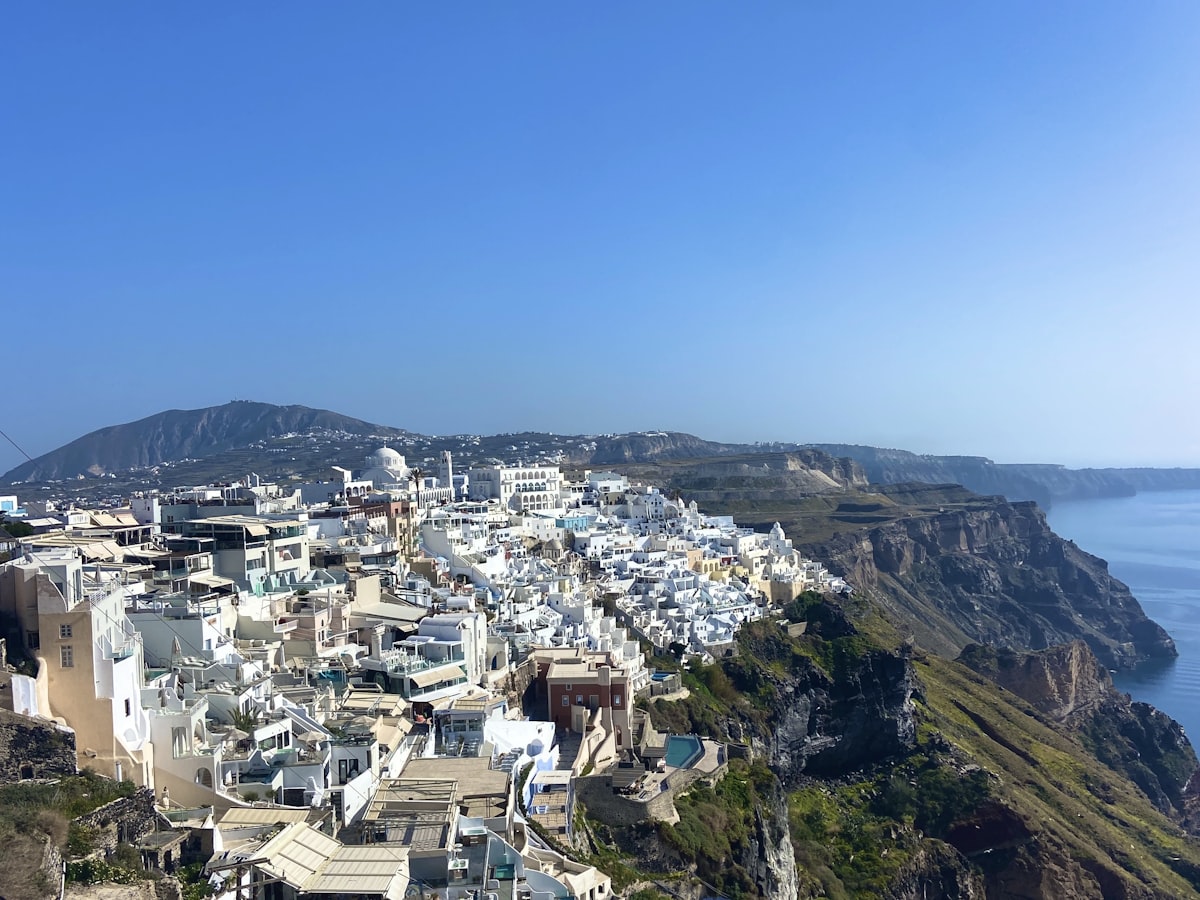
No other island in Greece delivers the same concentrated visual drama. Santorini’s caldera villages - Oia, Fira, Imerovigli - perch 300m above the Aegean on the rim of an ancient volcanic crater. The sunset from Oia is a genuine phenomenon.
For couples with a higher budget, the cave-house hotels of Oia are an experience in themselves. Canaves Oia Epitome (from approximately €800/night) is considered the finest hotel on the island - infinity pools cut into the caldera face, private terraces. Katikies Santorini (from approximately €500/night) is a more affordable alternative with comparable caldera views. Budget-conscious couples can stay in Fira or Firostefani (rooms from approximately €150/night) and walk the caldera path.
Dining: Ambrosia in Oia (mains approximately €28–45) has the most dramatic caldera dining room on the island - book weeks ahead. Selene in Pyrgos (mains approximately €30–50) is the benchmark for modern Cretan-influenced cuisine in Santorini and holds international recognition. For a more affordable option, Metaxy Mas in Exo Gonia focuses on traditional Santorini dishes - fava bean dip, white eggplant, tomato keftedes - at reasonable prices (mains approximately €14–22).
Ferry access note: The port of Athinios is at sea level; Fira village is at the caldera rim. You ascend by cable car (approximately €6 each way), by donkey (approximately €5), or via a 588-step path. Cruise passengers notoriously overwhelm the cable car queue in peak season - time your arrival accordingly.
Best for Nightlife and Glamour: Mykonos
Mykonos is the party capital of Greece - Ibiza-level beach clubs, an internationally known gay scene, celebrity-adjacent prices, and a genuinely photogenic old town (Chora) behind all of it.
The beach clubs on Paradise Beach and Super Paradise run from midday until well past midnight in peak season. Super Paradise Club and Scorpios (Paraga Beach) are the most prominent; expect to pay €20–30 per cocktail. Beach lounger hire is approximately €25–40/day per person.
Where to stay: Myconian Imperial (Elia Beach, from approximately €400/night) is the benchmark luxury option. Semeli Hotel in Mykonos Town (from approximately €250/night) gives direct Old Town access. Hotel Manto (from approximately €150/night) is one of the more affordable options still within walking distance of the old windmills.
Dining: Nobu Mykonos (mains €35–70) is the flagship name. M-Eating in Mykonos Town (mains approximately €25–40) is the consistently praised local fine dining option. For fresh seafood at honest prices, Kiki’s Tavern on Agios Sostis beach is legendary - cash only, no reservations, queues from noon.
Honest caveat: If the beach clubs and nightlife aren’t what you’re looking for, there are better islands. Mykonos at peak season is expensive, crowded, and loud by design. The old town is worth half a day at any time, but the island’s main value proposition is the scene.
Best for Families: Naxos
Naxos is the most underrated major island in Greece. It is the largest Cycladic island, grows its own food, has a medieval town with a Venetian castle, ancient kouros statues, and the longest, calmest, sandiest beaches in the Cyclades. It costs significantly less than its neighbours.
The beaches on the west coast - Agios Prokopios, Agia Anna, Plaka - run for kilometres of flat, accessible, fine sand with shallow entry. The water is clear and the undertow minimal. Agios Prokopios has the full infrastructure: sunbeds, tavernas, water sports.
Family accommodation: Naxos Rock Villas (apartments with kitchens, from approximately €130/night for a two-bedroom) near Stelida gives families flexibility. Hotel Naxos Palace (from approximately €100/night) is directly on Stelida beach. Naxian Collection (from approximately €250/night) suits families wanting a more design-forward stay with a pool.
Dining: Metaxy Mas (mains approximately €12–20) in Chalki village - yes, a different restaurant from the Santorini one with the same name - serves the best local Naxian cuisine in the villages. Taverna Platia in Chalki is good for lunch when driving inland. In Naxos Town, Popi’s Grill (mains approximately €10–16) is the straightforward local choice for fish and grills.
Internal island transport: Naxos is large enough that a hire car or scooter makes a significant difference. Car hire from approximately €35–55/day as of 2026.
Best for History: Rhodes and Crete (tie)
Rhodes has the most intact medieval city in Europe. The Rhodes Old Town - built by the Knights Hospitaller between 1309 and 1522 - is a UNESCO World Heritage Site and requires no hyperbole: the Palace of the Grand Master, the Street of the Knights, and the old harbour walls are the real thing in remarkable condition.
The best base for combining the medieval city with beach time is Rhodes Town itself. Melenos Rhodes (from approximately €200/night) is the benchmark boutique hotel in the old town. Spirit of the Knights (from approximately €150/night) is a quieter alternative inside the walls. Marco Polo Mansion (from approximately €130/night) is atmospheric and mid-tier.
Crete operates at a different scale. The Palace of Knossos - 4,000 rooms, running water, frescoed walls - was the centre of Minoan civilization from approximately 2000–1380 BC. The Heraklion Archaeological Museum is the best in Greece and one of the top archaeological museums in Europe. The Samaria Gorge is the longest gorge in Europe (18km). Crete is also the source of much of modern Greek cuisine: dakos, kalitsounia, fresh herbs, mountain-reared lamb.
Crete accommodation (Chania): Domes Noruz Chania (from approximately €300/night) is the leading design hotel in the west of the island. Kapsaliana Village Hotel near Rethymno (from approximately €200/night) occupies a restored olive-press village. For budget stays, Casa Leone in Chania Old Town (from approximately €90/night) is well-regarded.
Chania dining: Tamam (mains approximately €14–22) in the old town does the best mezze spread in Chania. To Maridaki (mains approximately €15–25) focuses on fish and seafood. Portes (mains approximately €12–18) is the reliable local pick for Cretan comfort food.
Best for Beaches: Milos and Zakynthos (tie)
Milos has over 70 beaches shaped by its volcanic geology - a variety no other Greek island can match. Sarakiniko’s white pumice formations rising from turquoise water are one of the most photographed landscapes in Greece. Tsigrado is a sea cave accessible by rope ladder. Firopotamos is a working fishing village with a small pebble beach and taverna. Kleftiko, accessible only by boat, has sea caves, arches, and crystal-clear water.
Zakynthos delivers Navagio (Shipwreck Beach) - the image of a rusting ship stranded on white pebbles against turquoise water under white limestone cliffs. The beach is accessible only by boat from Porto Vromi or the north coast; tourist boats run daily (approximately €15–20/person). The Blue Caves on the north coast are a close second: the effect of light on the water inside the caves turns everything electric blue.
Milos base: Patsalidis Studios (from approximately €100/night) near Pollonia is a good budget-conscious option. Skinopi Lodge (from approximately €200/night) is the design option - cave-house style with views across the caldera. The main village of Plaka has excellent tavernas within walking distance.
Zakynthos base: For beach access, Laganas on the south coast is the package-holiday strip - developed but convenient. Villa Christina (from approximately €90/night) near Kalamaki gives beach access without the resort noise. Ionian Blue Hotel (from approximately €130/night) in Bochali gives the best elevated views over Zakynthos Town and the bay.
Best All-Rounder on a Budget: Kefalonia
Kefalonia combines the scenery of the Ionians - deep blue water, lush green hills, white-cliff coves - with a more relaxed, less-developed feel and prices that are noticeably lower than Corfu or the Cycladic islands. The views at Myrtos Beach are as dramatic as anything in Greece; the subterranean lake at Melissani is genuinely extraordinary; the village of Assos (a small Venetian peninsula connected by a narrow isthmus) is one of the most picturesque in the Ionian islands.
Accommodation: Emelisse Art Hotel in Fiskardo (from approximately €180/night) is the best hotel on the island. Athina Hotel near Agia Efimia (from approximately €90/night) suits budget-conscious travellers wanting beach access. Self-catering villas near Lourdas run from approximately €100–150/night and are the most practical choice for families.
Dining: Tassia restaurant in Fiskardo (mains approximately €18–30) is the best-known table on the island - on the harbour, run by the same family for decades, good for fish and local wine. Aquarius in Agia Efimia (mains approximately €12–20) is the honest local alternative.
Getting there: Kefalonia airport (EFL) has direct UK and European flights in summer. From Athens by ferry, the fastest connection is typically Athens → Patras (by bus or car, approximately 3 hours) then Patras → Sami (approximately 3 hours). There are also direct fast ferries from Killini port in the Peloponnese.
Island Hopping Combinations
Most visitors to the Cyclades combine two islands; three is possible but requires careful ferry planning.
Classic pairing: Santorini + Paros or Santorini + Naxos
Santorini delivers the dramatic caldera experience; Paros or Naxos deliver the beach days and village wandering at better prices. The Santorini → Paros ferry is approximately 2 hours by high-speed; Santorini → Naxos is approximately 2–3 hours.
Family itinerary: Crete + Naxos
Crete for the first week (Chania base), then ferry to Naxos for the second. Crete → Naxos is approximately 6–7 hours by standard ferry; check schedules as not all days have direct service.
Nature and beaches: Milos + Paros
Two distinct beach experiences with a short ferry hop between them. Both are well served from Piraeus.
Ionian islands: Corfu + Kefalonia
Corfu and Kefalonia don’t have a direct ferry between them - you’d need to return to the mainland and redepart. Most visitors choose one Ionian island per trip; if both appeal, allocate a week each and plan 3–4 hours of travel between.
See our Greek island hopping itinerary for a detailed 10–14 day Cyclades route and our two weeks in Greece itinerary for combinations with Athens.
When to Go
July and August are peak season across all islands: hottest (30–38°C), most crowded, highest prices, best ferry frequency. Book 4–6 months ahead for the popular islands.
June and September are the best months for most travellers. Temperatures are 25–32°C, crowds are lower, prices drop 20–40%, and accommodation is available with shorter lead times.
May and October work well for Crete, Rhodes, and Corfu - all have enough infrastructure and warmth at shoulder season. The Cycladic islands (Santorini, Mykonos, Paros, Naxos) run reduced ferry schedules and many restaurants and hotels close entirely by November.
Weather note: The meltemi - a strong northerly wind - blows across the Aegean from roughly July to mid-August. It keeps temperatures manageable but can make ferry travel rough and beach time uncomfortable on exposed beaches. The Ionian islands are less affected than the Cyclades.
For a detailed breakdown, see our best time to visit Greece guide.
Book Tours and Activities
GetYourGuide covers island boat trips, volcano hikes, sailing day tours, and guided history walks. Browse by island for current availability and pricing.
Explore Greek island tours and experiences
Quick Reference: By Traveller Type
| If you want… | Go to… |
|---|---|
| The most dramatic scenery in Greece | Santorini |
| Serious nightlife and beach clubs | Mykonos |
| The best all-round single-island trip | Crete |
| Cycladic beauty without the crowds or costs | Paros or Naxos |
| The most varied and unusual beaches | Milos |
| The most photographed beach in Greece | Zakynthos (Navagio) |
| History and medieval architecture | Rhodes Old Town |
| A green, quieter Ionian experience | Kefalonia or Corfu |
| A combination that suits everyone | Crete + Paros or Crete + Naxos |
| The tightest budget in the Cyclades | Naxos |
See Also
- Best Greek Islands - in-depth comparison by vibe and beach type
- Greek Island Ferry Guide - how to book and navigate island ferries
- Santorini vs Mykonos - the most common decision, broken down
- Crete vs Santorini - different scales, different types of holiday
- Paros vs Naxos - two Cycladic islands compared
- Best Time to Visit Greece - month-by-month guide
- Greek Island Hopping Itinerary - a tested 10–14 day route
Head-to-head comparisons:
- Rhodes vs Crete - Greece’s two largest islands in detail
- Milos vs Santorini - quieter Cyclades vs the most iconic
- Corfu vs Zakynthos - Ionian islands compared
- Kefalonia vs Zakynthos - two quieter Ionian alternatives
Plan Your Trip
✈️ Book your flights to Greece 🛡️ Get travel insurance 📱 Stay connected with an eSIM 🚗 Rent a car