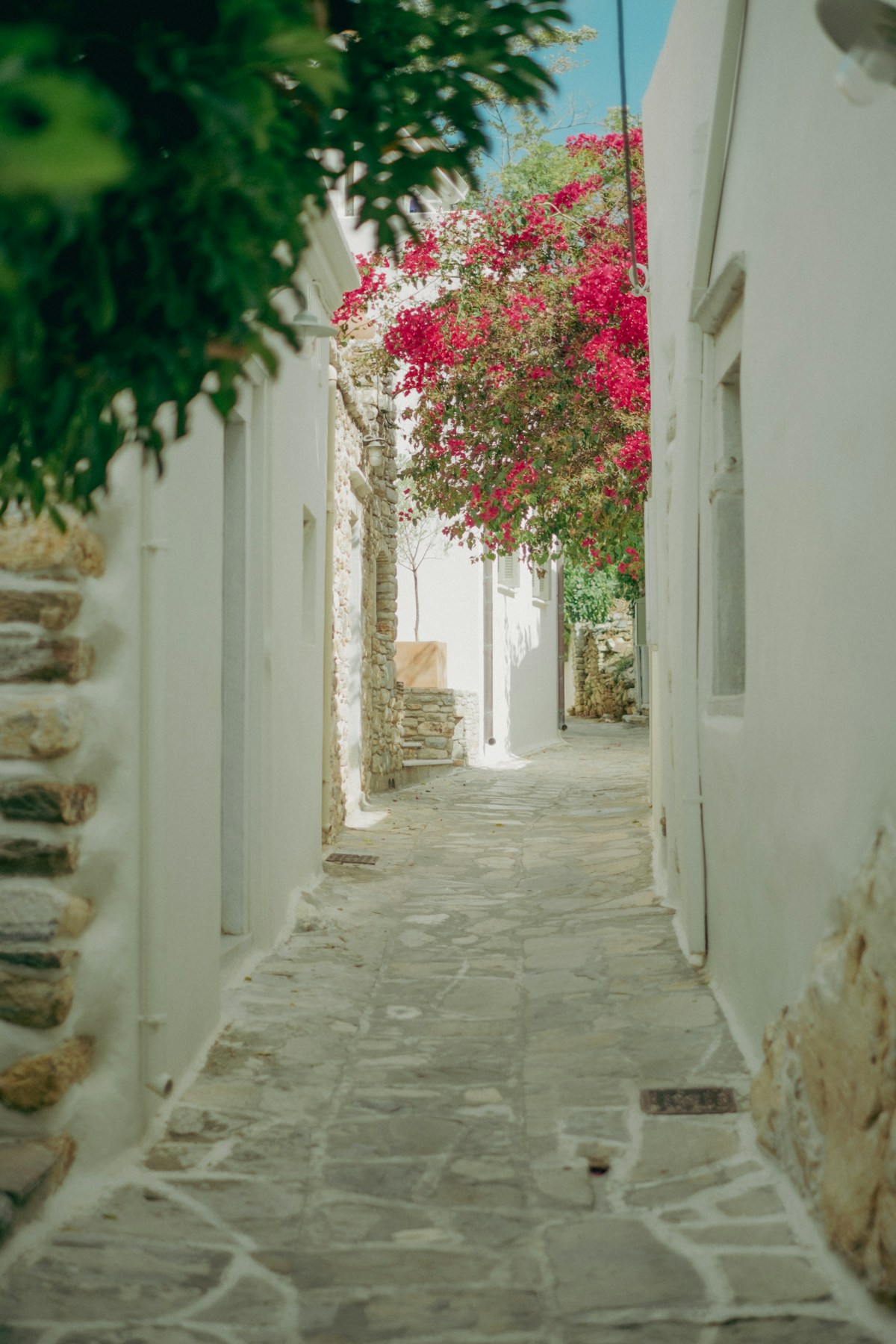
Paros and Naxos sit 30 minutes apart by high-speed ferry in the central Cyclades. They share the same Cycladic architecture - white cubic houses, blue-domed churches, blue-shuttered windows - and cost significantly less than Santorini or Mykonos. They’re the answer most experienced Greece travellers give when asked where to go in the Cyclades instead of the famous names.
But they are distinct islands with different personalities. This comparison will tell you which is right for your trip.
The Quick Summary
Go to Paros if: You want Cycladic village charm, good windsurfing, a bar and restaurant scene, and easy connections to other islands.
Go to Naxos if: You want the longest beaches in the Cyclades, mountain villages, local food, and a quieter family-friendly atmosphere.
Go to both if: You have 7–10 days in the Cyclades - the combination is excellent.
Size and Terrain
Paros is a medium-sized Cycladic island - approximately 165 km² - with two main centres: Parikia (the port capital, with a Venetian castle and a Byzantine-era church containing what is believed to be a fragment of the True Cross) and Naoussa (a fishing village turned sophisticated resort on the north coast). The terrain is hilly and compact; you can drive across it in 30 minutes.
Naxos is the largest Cycladic island at approximately 429 km² - nearly three times the size of Paros. It has a mountain interior with peaks up to 1,001m (Mt Zas, the highest in the Cyclades) and villages in the hills that look the same today as they did under Venetian rule. You cannot drive across it quickly. It has substantially more to explore.
Verdict: Naxos is a bigger, more varied island. Paros is easier to navigate and more compact.
Villages
Paros
Parikia - the main port and capital, with a good old town around the Venetian kastro and the Panagia Ekatontapiliani (Church of One Hundred Gates, dating to the 4th century AD). The market street is tourist-facing but the lanes behind it have bakeries, local shops, and Orthodox churches worth finding.
Naoussa - the standout village on the island. A former fishing village on the north coast with a small Venetian harbour (partially submerged), good fish tavernas, a busy bar scene (later than Parikia), and some of the island’s best boutique accommodation. Not quiet in July and August but retains its physical character.
Lefkes - an inland marble-paved village in the hills, formerly the island’s capital during the pirate era. Connected to Prodromos by a traditional Byzantine path through marble quarry territory.
Naxos
Naxos Town (Chora) - the capital, dominated by a Venetian castle (Kastro) on a hill above the harbour, with a maze of alleys and arches inside. The Portara - the marble doorway of an unfinished 6th-century temple of Apollo - stands on the causeway at the port entrance and is one of the most striking archaeological remnants in the Cyclades. Free access, good at sunset.
Halki - the most beautiful village in the Naxian interior, with a Venetian tower, a distillery producing kitron (the local citron liqueur), and good tavernas. Worth half a day.
Apeiranthos - a marble-paved village in the mountains settled by Cretan refugees in the Byzantine period. Has its own dialect, its own museums, and a fiercely local identity. The marble streets and stone houses feel genuinely separate from the coastal tourist economy.
Verdict: Naxos has more interesting villages, particularly the inland ones. Paros’s Naoussa is the best single village either island has to offer.
Beaches
Paros
- Kolymbithres: The most distinctive beach on the island - granite rock formations sculpted by wind and water, creating sheltered coves between smooth boulders. On the north coast near Naoussa. Gets crowded but worth it.
- Golden Beach / Hrysi Akti: On the east coast, facing the open sea. The main windsurfing hub in the Cyclades - the Pounda area runs teaching centres and rentals. Not ideal for non-windsurfers in peak season.
- Santa Maria: North coast, organized, popular with younger visitors.
- Logaras and Piso Livadi: Quieter east coast beaches.
Naxos
- Agios Prokopios: Immediately south of the port, long and easily accessible, calm water (protected by a small island), good for families.
- Agia Anna: Continues from Agios Prokopios, slightly narrower, colourful beach umbrellas.
- Plaka: The uncrowded extension of the above strip - the further you walk south from Agia Anna, the quieter and more naturist-friendly it becomes. Fine white sand for kilometres.
- Kastraki: A wilder beach further south with minimal facilities - for those who want space.
- Mikri Vigla: Rocky, good for snorkelling.
Verdict: Naxos has more beach volume. Paros has Kolymbithres, which is unique. For a long sandy beach holiday, Naxos wins.
Food and Drink
Paros
Paros has a good restaurant scene, particularly in Naoussa. Fresh fish and seafood are the main draw - the north coast ports supply the tavernas directly. Local produce includes thyme honey, capers, and a mild goat’s cheese. Naoussa has wine bars and cocktail bars that run until 3–4am in summer without becoming full clubs.
Naxos
Naxos is the most food-self-sufficient island in the Cyclades. It grows potatoes (famous throughout Greece), raises its own beef, and produces cheeses (graviera, arseniko) that you’ll see on menus across Greece. Kitron - a citron liqueur made only on Naxos - is the local spirit. The island’s own wine production is modest but worth trying.
Inland tavernas in Halki, Apeiranthos, and Filoti serve Naxian food specifically: stifado with local beef, stuffed courgette flowers, graviera grilled or baked. This is the best version of traditional Greek island food in the Cyclades.
Verdict: Naxos for food quality and local produce. Paros for nightlife and social eating.
Nightlife
Paros: Has a real bar scene - Naoussa’s harbour area and the lanes behind it run until 3–4am in season. A fraction of Mykonos’s intensity but livelier than most Cycladic islands.
Naxos: Quieter. Naxos Town has bars and cafés open late but no club scene. The island is better suited to early dinners and wine in the Chora’s arched alleys or village plateias than dancing until dawn.
Verdict: Paros, definitively.
Cost Comparison (July)
Both islands are substantially cheaper than Santorini and Mykonos:
| Category | Paros | Naxos |
|---|---|---|
| Midrange hotel (per night) | €90–200 | €80–180 |
| Dinner (per person with wine) | €20–40 | €18–35 |
| Beach sunbed + umbrella | €12–20 | €10–18 |
| Scooter rental (per day) | €20–30 | €20–30 |
Naxos is marginally cheaper overall, with a larger budget accommodation market and more free beaches.
Getting There
From Piraeus (Athens port):
- Paros: approximately 3.5–5 hours (standard ferry); 2–3 hours (high-speed)
- Naxos: approximately 3.5–5.5 hours (standard ferry); 2.5–4 hours (high-speed)
Between Paros and Naxos: 30–45 minutes by high-speed ferry. Both islands are served by Blue Star Ferries (slow, overnight options available) and Seajets (fast, daytime).
Our Verdict
Choose Paros if: You want a sociable, lively base with excellent village character and easy connections for island-hopping.
Choose Naxos if: You’re travelling with children, want the best beaches in the Cyclades, are interested in local food and inland villages, and prefer a slower pace.
If you have 10 days in the Cyclades: Start at Paros (3 nights), cross to Naxos (3–4 nights), then continue to Milos (3 nights) - this is one of the strongest island-hopping routes in Greece.
Browse tours and water sports experiences with GetYourGuide.
Related Guides
- Naxos Island Guide - beaches, villages, and the Portara
- Paros Island Guide - Naoussa, Parikia, and the best beaches
- Greek Island Hopping Itinerary - includes both islands in the Cyclades circuit
- Best Greek Islands Guide - comparing all major options
- Where to Stay in Paros - Parikia vs Naoussa
- Where to Stay in Naxos - town, beach, and village options
Book Your Trip
- Flights - Flights to Greece guide · Find the best fares to Greece
- Travel Insurance - Greece travel insurance guide · Get covered before you go
- eSIM - Greece eSIM guide · Stay connected from landing
- Airport Transfers - Pre-book your transfer from Athens or Thessaloniki
- Car Rental - Greece car rental guide · Compare prices across providers
- Tours & Activities - Browse Greece tours on GetYourGuide