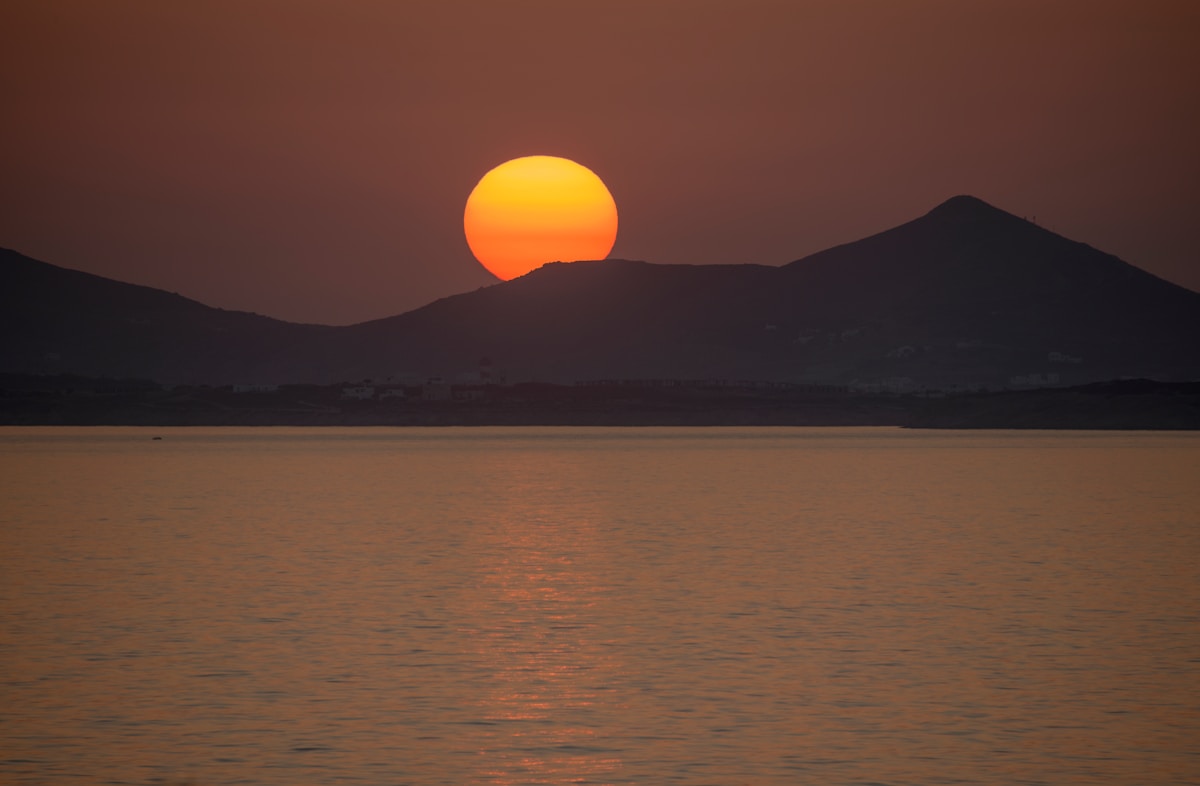
Naxos Travel Guide: The Portara, Kastro & Mountain Villages
The Portara marble doorway, Naxos Town's Venetian kastro, mountain villages, and the widest beaches in the Cyclades: the best all-round island.
Guides for Naxos
Naxos is the largest island in the Cyclades - large enough to be self-sufficient in food, with its own olive oil, potatoes, cheeses, and cattle. This agricultural self-sufficiency gives Naxos a groundedness that Mykonos and Santorini, which import most of their food, lack. The island has everything: excellent beaches, an atmospheric Venetian old town, one of the finest ancient monuments in the Cyclades, mountain villages, and hiking routes through the Naxian countryside.
Naxos Town (Chora)
The main town wraps around a harbour dominated by the Portara - the 6th-century marble doorway on the islet of Palatia. Behind the harbour, the Kastro (Venetian fortress district) sits on a hill above the waterfront, its 13th-century Venetian towers still lived in.
The Portara: Free, always open, best at sunset. The causeway from the harbour takes approximately 10 minutes on foot.
The Kastro: The Venetian quarter - the Venetian towers, the Catholic cathedral, and two good museums. The Archaeological Museum of Naxos (inside the Kastro, entry €6, open 8am–3pm Tue–Sun) has the finest collection of Cycladic marble figurines after the Athens National Museum.
The old market: The agora behind the harbour - good for local products including Naxian graviera cheese, citron liqueur (kitron, unique to Naxos), and local olive oil.
Beaches
Naxos has a 17km stretch of continuous beach on its west coast - Agios Prokopios is the finest (fine-grained, clear water, 8km from Naxos Town), Plaka the least developed, and Mikri Vigla the best for windsurfing. All are accessible by KTEL bus from Naxos Town. Our Naxos beaches guide covers every major beach with access details and honest crowd assessments.
The Mountain Villages
Naxos has the most interesting inland landscape of any Cycladic island - a range of marble mountains rising to 1,004m (Mount Zas, the highest peak in the Cyclades), with villages of medieval Venetian towers and Byzantine churches scattered through the interior.
Halki: The former capital of Byzantine Naxos - a well-preserved village with Venetian tower houses, Byzantine frescoes in the Church of the Panagia Protothroni (ask at the church for access), and the Vallindras Kitron distillery (free tastings, no fixed hours).
Filoti: The largest mountain village - the main square has good tavernas and a spring that produces some of the best water on the island.
Apiranthos: A marble village high in the mountains, settled by Cretan refugees in the 17th century. The marble-paved lanes and the village museum (small but well-curated) make it worth the drive.
Kouros of Flerio: Two unfinished 7th-century BC marble kouroi (monumental male statues) lying in an olive grove in the Melanes valley - abandoned in transit, left exactly where they fell. Entry free, signposted from Melanes village.
Where to Stay in Naxos
Naxos Town (Chora) is the best all-round base, combining the Portara, the Kastro, the best range of restaurants, and bus access to the main beaches. Agios Prokopios and Agia Anna have beach-adjacent accommodation for those who prioritise the sand over the town life. Naxos generally offers better value than Paros or Santorini for comparable quality.
Budget (from approximately €55–85/night)
Studios in Agios Prokopios are among the most affordable beach-adjacent accommodation in the central Cyclades, with direct access to one of the best beaches in the Aegean. From approximately €60/night as of 2026.
Guesthouses in Naxos Town offer rooms in the lanes of the Chora at prices considerably lower than equivalent accommodation on Mykonos or Santorini. Some are in the lower Kastro area with views over the harbour. From approximately €65/night as of 2026.
Budget studios in Agia Anna provide self-catering rooms close to the beach strip south of Agios Prokopios at very competitive prices for the Cyclades. From approximately €58/night as of 2026.
Mid-range (from approximately €95–180/night)
Naxos Rock Villas near Naxos Town offer villa-style mid-range accommodation with a pool and views, at prices that represent good value by Cycladic island standards. From approximately €130/night as of 2026.
Kavos Boutique Hotel on the Agios Prokopios beachfront is a well-run property with direct beach access, comfortable rooms, and a pool. It is one of the better mid-range options for a beach-focused stay. From approximately €145/night as of 2026.
Nissaki Beach Hotel near Agios Prokopios combines good beach access with comfortable rooms and a pool, at rates that are competitive for a beachfront Cycladic property. From approximately €120/night as of 2026.
Luxury (from approximately €220/night)
Naxian Collection near Naxos Town is a private estate offering luxury villas with pools spread across an olive grove, combining seclusion with proximity to town and beaches. From approximately €280/night as of 2026.
18 Grapes near Agios Prokopios is a design-forward luxury property with suites, a pool, and sea views at the upper end of the Naxos accommodation range. From approximately €250/night as of 2026.
Search hotels in Naxos, Greece on Booking.com
Where to Eat in Naxos
Naxos produces exceptional local ingredients - graviera cheese, citron, local lamb - and the tavernas in Naxos Town and the mountain villages make good use of them. Budget approximately €18–30/person at a village taverna, or €40–65/person at the better town restaurants. Full recommendations are in our Naxos restaurants guide.
Getting Around Naxos
KTEL buses connect Naxos Town to the main beach areas (Agios Prokopios, Agia Anna, Plaka) and to major inland villages (Halki, Filoti, Apiranthos) - approximately €1.80–3 per journey. The beach bus runs every 30 minutes in season. Car hire is recommended for mountain villages and southern beaches - approximately €35–55/day. The road network is good by island standards.
For detailed guides, see: things to do in Naxos, best beaches in Naxos, restaurants in Naxos, Naxos tours, and where to stay in Naxos.
Weighing up the central Cyclades? See our Paros vs Naxos comparison.
Book Naxos day trips, sailing tours, and village excursions with GetYourGuide.
See Also
- Things to Do in Naxos - Portara, the mountain villages, and beach life
- Best Beaches in Naxos - Agios Prokopios, Plaka, Agia Anna, and the remote south
- Restaurants in Naxos - where to eat Naxian produce at its best
- Naxos Tours - guided village drives, cooking classes, and boat trips
- Where to Stay in Naxos - Naxos Town vs. beach accommodation
- Paros vs Naxos - choosing between the two central Cyclades islands
- Paros Travel Guide - Naxos’s closest island neighbour
- Cyclades Guide - all the Cycladic islands and how to island-hop between them
- Greek Island Hopping Guide - building a multi-island itinerary
- Greek Island Ferry Guide - ferries from Naxos to Santorini, Paros, and Mykonos
Frequently Asked Questions
- Is Naxos worth visiting?
- Naxos is arguably the best all-round island in the Cyclades - it has excellent beaches (Agios Prokopios, Plaka, Agia Anna) that rival Mykonos at a fraction of the cost, an impressive ancient monument (the Portara), a lively main town, mountain villages with medieval towers, and good local food and wine. It is significantly better value than Mykonos or Santorini.
- When is the best time to visit Naxos?
- June and September are ideal - warm, clear water, manageable crowds, and prices well below peak season. The Meltemi wind is strong in August, which creates choppy conditions on exposed beaches but keeps the heat bearable. Naxos is large enough that you can always find a sheltered beach regardless of the wind.
- How do I get to Naxos?
- Ferry from Piraeus (approximately 4–5 hours, from €25 conventional or €50 high-speed). Domestic flight from Athens (approximately 45 minutes, from €45). Frequent ferry connections to Paros (30 minutes), Mykonos (1.5 hours), Santorini (2–3 hours), and Ios (1 hour).
- What is the Portara?
- The Portara is a massive marble doorway standing on a small islet connected to Naxos Town by a causeway - the unfinished remains of a 6th-century BC temple to Apollo (or possibly Dionysos). The marble blocks are among the largest in Greek antiquity. The doorway frames the sunset perfectly from the causeway - it is one of the great free sights in Greece.
Upcoming Events in Naxos
- Apokries 2027: Greece's Carnival Season Dates & Celebrations
Apokries 2027 runs 21 February–14 March. Patras Carnival is the largest in Greece; Galaxidi flour war and Venice-style costume parades in Athens.
Book an experience
Top experiences in Naxos
Explore the best tours and activities in Naxos, with instant confirmation and free cancellation on most bookings.