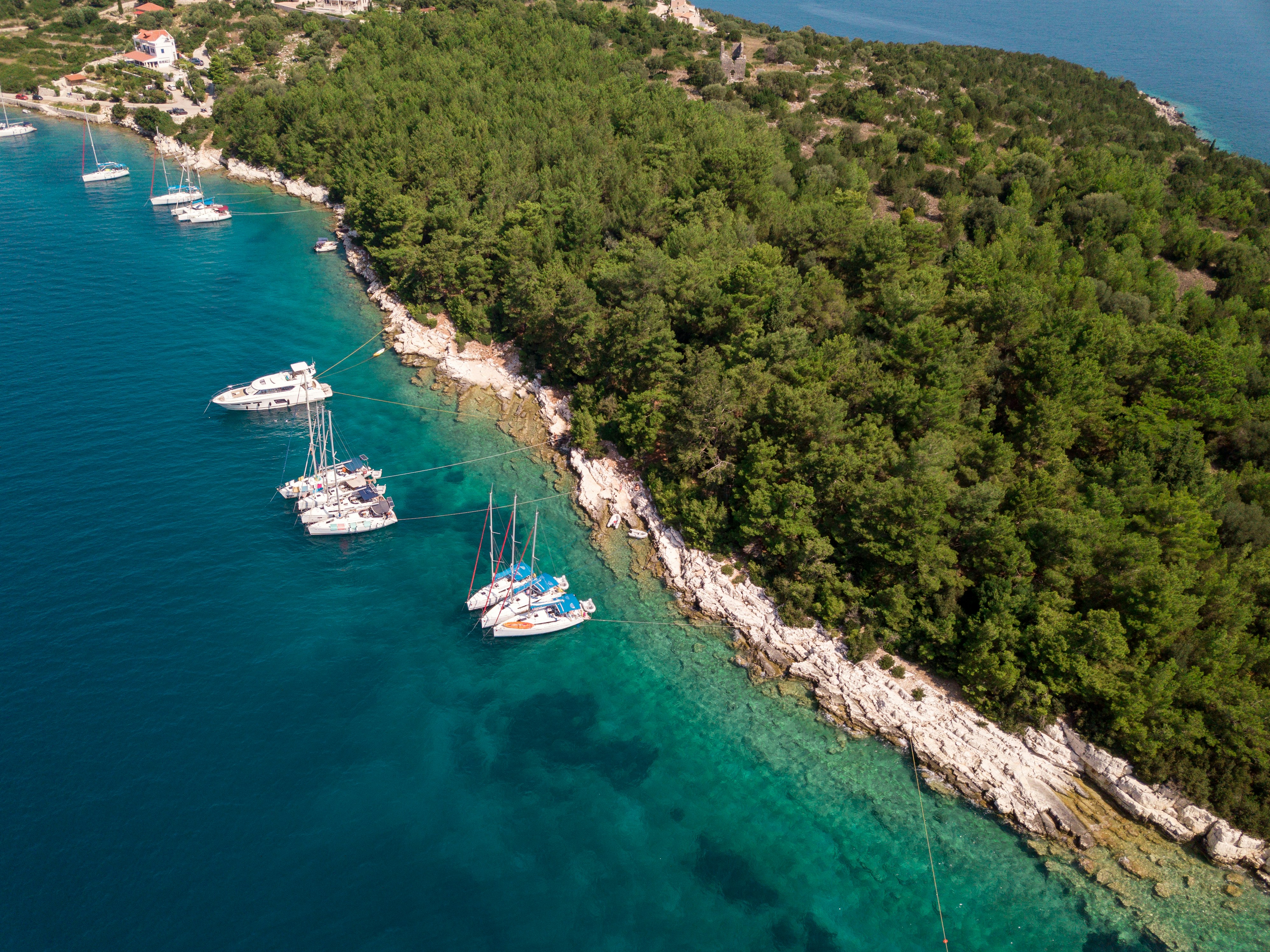
Naxos is the largest and most self-sufficient island in the Cyclades - it grows its own food, has a mountain interior, a proper historic town, and some of the longest sandy beaches in the Aegean. It is also significantly less expensive than Santorini and Mykonos and considerably less crowded. Prices listed are approximate as of 2026.
Top Tours in Naxos
| Tour | Duration | Price (from) | Group Size | Highlights |
|---|---|---|---|---|
| Naxos Half-Day History & Culture Tour | 4 hrs | from €30/person | Small group | Portara gateway, ancient temple sites, Naxos Town history walk |
| Catamaran Cruise with Swim Stops & Lunch | 4 hrs | from €60/person | Small group | Coastal sailing, snorkelling at Kalantos Bay, BBQ on board |
| Chalki, Filoti & Mountain Villages Tour | 5 hrs | from €45/person | Small group | Venetian tower at Chalki, Filoti village taverna, marble quarries |
| Sea Kayaking - Naxos Coastline | 5 hrs | from €55/person | Small group | Sea caves, deserted coves, guided wildlife talk, beginner-friendly |
| Naxos Private Full-Island All-Day Tour | 8 hrs | from €180/person | Private | Temples, villages, beaches, kouros statues, flexible itinerary |
Browse all Naxos tours → GetYourGuide
Walk Around Naxos Town (Chora)
Naxos Town - known locally as Chora - sits on a promontory at the north-west of the island and is the most interesting town in the Cyclades after Syros. It divides into distinct quarters:
The Kastro: The Venetian fortress-town at the top of the hill - a walled medieval village with lanes too narrow for cars, Catholic churches, a Venetian gatehouse, and the Archaeological Museum (entry approximately €4 as of 2026). The Archaeological Museum holds an outstanding collection of Cycladic marble figurines, including some of the finest examples anywhere. Open Tuesday to Sunday.
The Bourgos: The commercial town below the Kastro, with the main square, waterfront restaurants, and the Old Market (Agora). The main square area gets busy in the evening; the backstreets of the Bourgos are quieter and have better value shops and cafes.
The Portara: The enormous marble gateway on the small islet connected to the town by a causeway - the lintel of an unfinished Temple of Apollo begun in the 6th century BC by the tyrant Lygdamis, abandoned when he was overthrown. It is the defining image of Naxos, visible from everywhere in the bay. Walk out along the causeway, especially at sunset, when the light through the marble is exceptional. Entry is free at all times.
Drive the Mountain Villages
The interior of Naxos is an entirely different island from the coast. A road climbs through marble-quarrying country into a landscape of olive trees, stone villages, Byzantine churches, and peaks reaching nearly 1,000 metres.
Halki: A former Venetian capital of the island’s interior, with a cluster of pyrgoi (tower-houses), the Church of the Panagia Protothronis (11th century, worth looking inside), and the Vallindras distillery where Kitron (the local citrus liqueur made from citron leaves) has been produced since 1896. Kitron tasting is available free; a bottle costs approximately €10–15.
Filoti: The largest village in the interior, with a central plateia, local tavernas, and the starting point for the Mount Zas (Zeus) hike.
Apeiranthos: The most architecturally distinctive village on the island - built entirely from local marble, with stone-paved lanes and an unusually fierce local identity. The village has three small museums (marble, geology, and a Cycladic artefacts collection) and several good lunch tavernas.
Hike to the Summit of Mount Zas
Mount Zas (also written Zeus) at 1,001m is the highest peak in the Cyclades. The standard route from Filoti takes approximately 2.5–3 hours return at a comfortable pace. Near the summit cave (where Zeus is said to have been raised by nymphs), there is an inscription in the rock face marking the sanctuary.
The views from the summit extend across most of the Cyclades on a clear day. The path is well-marked from Filoti. Wear proper footwear and bring water - there is no shade above the tree line.
Visit the Temple of Demeter (Sangri)
One of the best-preserved Archaic Greek temples in the Cyclades - a small but complete marble temple dating from approximately 530 BC, standing in an open field above the village of Sangri. The site is quiet, free of crowds, and the setting in the agricultural landscape is genuinely beautiful. A small museum adjacent to the site holds architectural fragments and explains the reconstruction.
Entry approximately €4 as of 2026, open Tuesday to Sunday. Getting there requires a hire car - no bus service.
Explore the Kouros Statues
Two unfinished Archaic marble kouros (male statue) figures lie in the landscape of Naxos - abandoned when they cracked during carving and never moved.
Kouros of Melanes (Flerio): A 6th-century BC figure, approximately 5.5m long, lying in a garden setting near a stream. Entry is free. The walk from the car park takes about 10 minutes through olive orchards.
Kouros of Apollonas: In the north of the island, a larger figure (10.5m) quarried from the rock face and abandoned in situ. Visible from the road; a short path leads to it. Free.
Both are extraordinary objects - the scale of these works and the circumstances of their abandonment make them among the most quietly affecting things in Greece.
Day Trip to Koufonisia
From Naxos, the Small Cyclades - Koufonisia, Schinousa, Iraklia, Donoussa - are accessible by ferry. Koufonisia in particular has developed a reputation for exceptional beaches and a relaxed atmosphere. A day trip by ferry from Naxos costs approximately €10–15 single. The ferries are run by small island companies; check current schedules in season.
Find tours and guided day trips from Naxos at GetYourGuide.
For the complete Naxos island guide including where to stay and getting here, see our Naxos travel guide. For the best beaches from Agios Prokopios to Plaka and Mikri Vigla, see best beaches in Naxos. For restaurants in Naxos Town, Apiranthos, and village tavernas, see best restaurants in Naxos. Planning your route? The Greek island hopping itinerary covers the Naxos–Paros–Santorini circuit in detail. For organised tours from Naxos, see our Naxos tours guide.
Search hotels in Naxos, Greece on Booking.com
See Also
- Naxos Travel Guide - island overview with where to stay, getting there, and practical tips
- Best Beaches in Naxos - Agios Prokopios, Plaka, Mikri Vigla, and the kite-surfing beaches
- Restaurants in Naxos - Naxos Town, Apiranthos, and beach tavernas
- Naxos Tours - guided village tours, boat trips, and walking excursions
- Where to Stay in Naxos - Naxos Town vs beach resort areas
- Paros vs Naxos - comparing the two most family-friendly Cycladic islands
- Greek Island Hopping Guide - Naxos as part of a Cyclades circuit