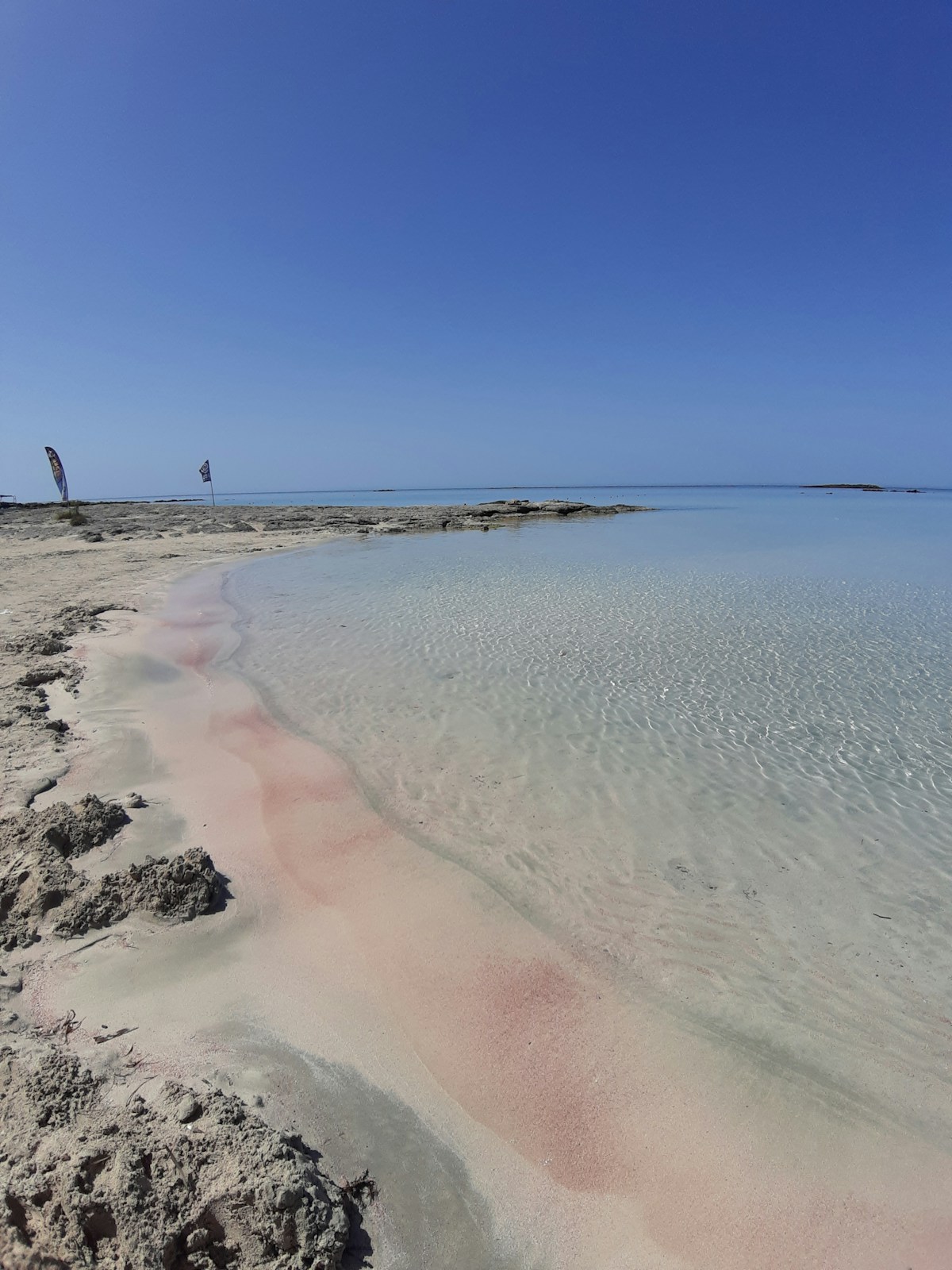
Crete Travel Guide: Knossos, Samaria Gorge & Vai Beach
Minoan palaces at Knossos, the 16km Samaria Gorge, palm-lined Vai beach, and mountain villages: five distinct regions on Greece's largest island.
Guides for Crete
Crete is not like other Greek islands. It is the fifth-largest island in the Mediterranean, with its own dialect, its own cuisine, a fiercely independent historical identity, and a terrain that ranges from coastal beach towns to high mountain villages still accessible only by rough track. The Minoan civilisation - Europe’s oldest - centred on Crete for more than a thousand years.
Heraklion
Crete’s capital and its largest city sits on the north-central coast, home to the Heraklion Archaeological Museum - one of the world’s foremost collections of Minoan artefacts - along with the Venetian Koules Fortress and the 1866 Street market. Knossos Palace is 5km to the south, making Heraklion the island’s natural first base. See our Heraklion city guide for full detail.
Chania
Western Crete’s most visually compelling city, centred on a 16th-century Venetian harbour with a lighthouse walkable from the old arsenals, and a layered old town of Byzantine, Ottoman, and Venetian architecture behind the waterfront. It is also the best base for hiking Samaria Gorge and day-tripping to Balos and Elafonisi. See our Chania city guide for full detail.
Knossos
The Bronze Age Minoan palace-city, 5km south of Heraklion - one of the most visited ancient sites in Greece. The remains are partially reconstructed (controversially, by Arthur Evans in the early 20th century), which makes the site easier to understand than most Greek ruins but less archaeologically “pure.”
Entry: €15 adult, €8 reduced. Combined ticket with the Heraklion Archaeological Museum: €20 (as of 2026).
Getting there: City bus (route 2) from Heraklion bus station, approximately 20 minutes, €1.70. Taxi approximately €12.
Crowds: Knossos receives hundreds of thousands of visitors per year. Arrive before 9am to see it without crowds.
Samaria Gorge
Europe’s longest gorge (16km), running through the White Mountains National Park to the Libyan Sea. The walk takes 5–7 hours and is entirely downhill from Xyloskalo (1,230m altitude) to the coast at Agia Roumeli. Boats from Agia Roumeli take you to Sfakia or Paleochora, from where buses return to Heraklion or Chania.
Entry: €5 (paid at the entrance). Open May–October (closing dates depend on conditions).
Getting there: Buses from Chania to Omalos (for the trailhead) depart daily in season. KTEL Chania handles the schedule.
Where to Stay in Crete
Crete is large enough that where you base yourself shapes your entire trip. Chania suits those wanting the most atmospheric old-town setting; Heraklion is the practical base for Knossos and the Archaeological Museum; Rethymno splits the difference with a well-preserved Venetian core. The far east around Elounda is where the island’s most expensive resort hotels are concentrated.
Budget (from approximately €45–80/night)
Guesthouses in Chania Old Town offer rooms in restored Venetian buildings within the historic quarter, with some of the most characterful budget accommodation in Crete. The lanes around the Venetian harbour and the old market are within walking distance. From approximately €55/night as of 2026.
Budget hotels in Rethymno Old Town cluster around the Venetian harbour and the narrow streets of the historic centre. The old town is smaller and less commercialised than Chania and suits independent travellers. From approximately €50/night as of 2026.
Studios in the Heraklion area provide practical bases for visiting Knossos and the Archaeological Museum. The city lacks an attractive old town but connections across the island by bus and rental car are the best on Crete. From approximately €45/night as of 2026.
Mid-range (from approximately €90–180/night)
Lato Boutique Hotel in Heraklion is a well-run mid-range option with a rooftop restaurant overlooking the Venetian harbour and fort. Rooms are modern and comfortable; the location on the harbour edge is the best in central Heraklion. From approximately €120/night as of 2026.
Casa Delfino in Chania Old Town is a restored 17th-century Venetian mansion with suites around a central courtyard. The building has genuine historic character and is centrally located for the harbour and restaurants. From approximately €145/night as of 2026.
Avli Lounge Apartments in Rethymno combines a quality restaurant with boutique apartment-style rooms in a restored building in the old town. The on-site kitchen produces excellent Cretan food. From approximately €130/night as of 2026.
Luxury (from approximately €300/night)
Blue Palace Elounda on the Gulf of Mirabello near Spinalonga is one of the finest luxury resorts in Greece. Private-pool villas, a thalassotherapy spa, and extraordinary sea views are the main draws. From approximately €450/night in peak season as of 2026.
Domes of Elounda is a newer resort complex on the eastern Crete coast with overwater bungalows, multiple pools, and a children’s club. Consistently rated among the top resorts in the Mediterranean. From approximately €500/night as of 2026.
Amirandes Grecotel Exclusive Resort near Heraklion combines Minoan-inspired architecture with lagoon pools and direct beach access. A strong choice for those who want both luxury and proximity to the island’s main archaeological sites. From approximately €320/night as of 2026.
Search hotels in Crete on Booking.com
Cretan Cuisine
Cretan food is distinct from mainland Greek cuisine. Key things to try:
Dakos: Barley rusk topped with grated tomato, feta or soft white cheese (myzithra), olives, and olive oil. The barley rusk absorbs the tomato juice over time - the longer it sits, the better.
Antikristo: Whole lamb or goat cooked upright on a spit around an open fire - a traditional celebration dish, increasingly available at specialist restaurants.
Graviera cheese: Crete’s famous hard cheese - nutty, slightly sweet, made from sheep and goat milk. PDO designation. Available at every market and dairy shop on the island.
Cretan olive oil: Considered among the world’s finest - cold-pressed, very low acidity. You can visit oil mills (eleotriveia) throughout the island, particularly in the Kolymvari area west of Chania.
For a structured introduction to Cretan food culture, our Crete food tour guide covers the best culinary experiences across the island, from market visits to hands-on cooking classes.
Getting Around Crete
Crete is 260km long from west to east - getting around without transport is difficult. The north coast motorway (E75) connects Heraklion, Rethymno, and Chania efficiently. The south coast and interior require slower mountain roads.
Car hire: Strongly recommended for any exploration beyond the main cities. From approximately €30–45/day at Heraklion Airport (as of 2026), cheaper in shoulder season. Book in advance for peak season. The main hire companies (Hertz, Avis, Europcar) are at Heraklion Airport; local companies in Chania and Heraklion are often cheaper.
Buses (KTEL Crete): The north coast bus service (Heraklion → Rethymno → Chania) is excellent - frequent, fast, and inexpensive (Heraklion to Chania approximately €14, 3 hours). South coast services are less frequent.
Taxis: Available in all cities. Heraklion Airport to the city centre approximately €15. Heraklion to Chania by taxi approximately €130.
Ferries: Heraklion and Chania both have ports with overnight ferries to Piraeus (Athens) and connections to other Cycladic and Dodecanese islands.
Practical Notes on Crete
Heraklion Airport (HER): The busiest airport in Crete and one of the busiest in Greece - handles both domestic flights (from Athens, Thessaloniki) and direct international charter flights from the UK, Germany, and northern Europe. A second international airport serves Chania (CHQ).
Mobile coverage: Excellent on the north coast and in major towns. The Samaria Gorge and the deep south coast (Sfakia area) have limited or no coverage. Download offline maps before heading into the White Mountains.
Crete in shoulder season: May and October are excellent months for Crete specifically - the island is large enough that the Samaria Gorge, Knossos, and the main cities all remain open and well-serviced, while the beach resorts are quiet.
For detailed guides, see: things to do in Crete, best beaches in Crete, restaurants in Crete, where to stay in Crete, and our Crete vs Santorini comparison. Also comparing: Corfu vs Crete and Rhodes vs Crete.
Book Crete tours, Knossos guided visits, and Samaria Gorge hikes with GetYourGuide.
See Also
- Crete Day Trips - the best excursions from Crete with transport and prices
- Things to Do in Crete - Knossos, Samaria Gorge, Balos, and what to do across the island
- Best Beaches in Crete - Elafonisi, Balos, Vai, and the best spots on each coast
- Restaurants in Crete - the best Cretan tavernas and where to eat local
- Best Tours in Crete - Knossos guided tours, Samaria hikes, and boat trips
- Where to Stay in Crete - Chania vs Heraklion vs Rethymno
- Chania Travel Guide - western Crete’s most beautiful city
- Heraklion Travel Guide - the capital, gateway to Knossos
- Knossos Palace Guide - the Minoan palace in detail
- Crete vs Santorini - history and beaches vs caldera and romance
- Corfu vs Crete - Ionian vs Aegean, beaches vs history
- Rhodes vs Crete - two of Greece’s largest islands compared
- Greece Car Rental Guide - essential for exploring Crete independently
Frequently Asked Questions
- Which is better, Heraklion or Chania?
- Different purposes. Heraklion is larger, more urban, has the Palace of Knossos and the best archaeological museum in Crete, and has the widest transport connections. Chania is smaller, more beautiful, with a better preserved Venetian old town, better restaurants, and a more relaxed atmosphere. If you are staying for more than three days, try to see both.
- How long do you need in Crete?
- Crete is large enough that a week is not excessive. A minimum visit of four or five days allows you to see Heraklion/Knossos, Chania, and at least one beach area. The Samaria Gorge hike alone takes a full day.
- How do I get to Crete?
- Ferry from Piraeus (Athens) overnight (approximately 8–9 hours to Heraklion or Chania, from €35 deck class or €55+ for a cabin). Domestic flight from Athens (approximately 50 minutes, from €35). Ferry services also connect Crete to Rhodes, Santorini, Mykonos, and Thessaloniki.
- Is the Samaria Gorge walk worth it?
- Yes, if you are reasonably fit. The gorge walk (16km, mostly downhill, approximately 5–7 hours) is one of the finest hikes in Europe, ending at the coast where boats take you back to Sfakia. Open May–October; entry €5. Go early (the path gets busy by 10am) and wear good footwear - the riverbed is rocky.
Book an experience
Top experiences in Crete
Explore the best tours and activities in Crete, with instant confirmation and free cancellation on most bookings.