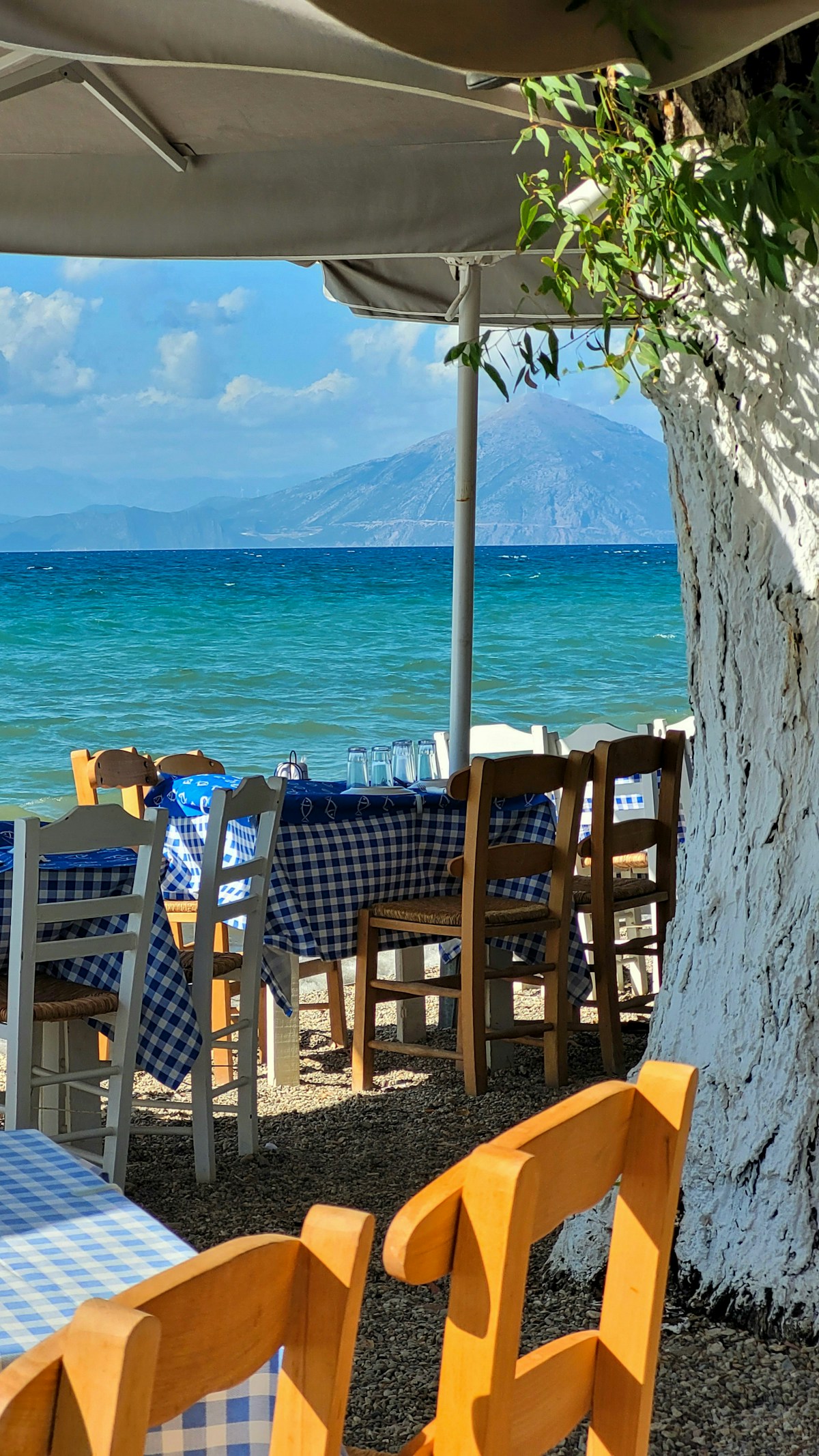
Crete has the strongest food identity of any Greek island - a distinct culinary tradition rooted in olive oil, wild greens, local cheese, lamb, and goat that has remained consistent for millennia. The Cretan diet has UNESCO Intangible Cultural Heritage status. Eating well here doesn’t require expensive restaurants; the best food is often in village tavernas. Prices listed here are approximate as of 2026.
Food Tours and Culinary Experiences
| Tour | Duration | Price (from) | Group Size | Highlights |
|---|---|---|---|---|
| Chania Food and Market Walking Tour | 3 hrs | from €55/person | Up to 10 | Covered market, dakos tasting, local cheese, Cretan olive oil, raki |
| Cretan Cooking Class in a Village Home | 4 hrs | from €80/person | Up to 8 | Dakos, boureki, local lamb preparation, raki and mezedes to finish |
| Heraklion Central Market and Wine Tour | 3.5 hrs | from €60/person | Up to 12 | 1866 Street market, Cretan wine cellars, graviera cheese tasting |
| Olive Oil Experience and Mill Tour | 3 hrs | from €45/person | Up to 15 | Traditional Cretan olive mill, oil tasting, local honey and products |
| Cretan Wine Route Tour (Peza and Dafnes) | 5 hrs | from €70/person | Up to 12 | Two Cretan wineries, Vidiano and Kotsifali tastings, vineyard lunch |
Browse all Crete food tours and culinary experiences → GetYourGuide
Chania - Best Restaurants
Tamam is one of the most respected restaurants in Chania - set in a restored 17th-century Turkish bathhouse in the lanes behind the Venetian harbour. The menu mixes traditional Cretan dishes with eastern Mediterranean influences, reflecting the building’s history. Mains run approximately €10–18. Reservations are needed for dinner in summer. The atmosphere is excellent - vaulted ceilings, warm lighting, and a genuinely historic room.
Thalassino Ageri is the best seafood restaurant in the Chania area - a terrace built over the sea at Koum Kapi, east of the old town, where the fishing boats come in. Fish is priced by the kilo (approximately €18–30 per kilo for sea bream, sea bass, or red mullet as of 2026) and the quality depends on what came in that day. Reserve for dinner. The walk from the old town is about 20 minutes.
Glossitses in the market area is a more affordable traditional option - generous portions of Cretan food (snails, lamb liver, slow-cooked goat) at approximately €8–14 per dish. Popular with locals at lunch.
For the harbour front itself: prices are significantly higher than the lanes behind and quality is variable. The rule in Chania is to walk one street back from the water. For neighbourhood-by-neighbourhood guidance and accommodation options, see our Chania travel guide.
Heraklion - Best Restaurants
Peskesi is the best-known farm-to-table Cretan restaurant in the city - housed in a beautifully restored Venetian building, with a menu sourced from small Cretan producers. The emphasis is on reviving older Cretan recipes (barley rusks in unusual forms, heritage breed meats, forgotten legumes) alongside classics. Mains approximately €14–22. Reserve ahead for dinner in summer.
Herb Garden (Paradosiako) is a reliable mid-range Cretan taverna near the market area, with a wide menu of traditional dishes at moderate prices - approximately €10–16 per main. Parasties near the Venetian Loggia serves traditional mezes and grills popular with the city’s professional crowd at lunch.
The pedestrian streets around the Morosini Fountain and the covered market (1866 Street) have the highest density of eating options. For fresh fish at the market price, the waterfront restaurants near the old Venetian port are reliable if you check what’s fresh and priced per kilo. For a full overview of the city including where to stay and getting to Knossos, see our Heraklion travel guide.
Rethymno - Best Restaurants
Avli is Rethymno’s most celebrated restaurant - a beautifully restored Venetian mansion with courtyard garden dining. The menu is upscale Cretan with creative preparation; mains approximately €20–32. Worth booking for a special evening in Rethymno. The venue is stunning.
Veneto offers similar quality in a similarly historic setting (a 15th-century vaulted room) at slightly lower price points - mains approximately €16–28. Both restaurants are within the old town.
For less expensive eating: the lanes surrounding the Venetian lighthouse and Rimondi Fountain have affordable tavernas with outdoor seating. Mains at these run approximately €10–16.
Village Restaurants - The Best Value on the Island
The mountain villages of the interior - Archanes, Zaros, Spili, Axos, Anogia - have traditional tavernas serving Cretan food at significantly lower prices than the coastal resort towns. A full meal with a carafe of local wine typically costs €15–25 per person. These are family-run restaurants where the menu reflects what was grown, butchered, or gathered locally that week.
Anogia, in particular, is known for its lamb - the village has a strong shepherd tradition and the grilled lamb chops served in the local tavernas are some of the best in Crete.
What to Order
Dakos: the Cretan version of bruschetta - a barley rusk soaked in olive oil and tomato juice, topped with fresh tomato, crumbled mizithra cheese, olives, and dried oregano. Order it everywhere as a starter.
Stamnagathi: wild chicory greens from the Cretan uplands, cooked in olive oil and lemon. A genuine Cretan speciality rarely found outside the island.
Graviera: the island’s primary aged cheese, made from sheep’s milk with some goat added. Nuttier and drier than mainland Greek graviera. Usually served grilled (saganaki) or sliced alongside a meal.
Boureki: a baked pie of thinly sliced courgette, potato, and mizithra cheese - a speciality of the Chania region.
Raki: at the end of a meal in a traditional taverna, a small carafe of raki (also called tsikoudia) will usually appear alongside a small sweet or fruit, without charge. This is a Cretan hospitality custom rather than a sales pitch.
For the complete island overview including where to stay in Chania, Heraklion, and Rethymno, see our Crete travel guide. Planning your time on the island? The things to do in Crete guide covers Knossos, the Samaria Gorge, and Chania Old Town. For beaches from pink-sand Elafonisi to the palm grove at Vai, see best beaches in Crete. Deciding between Greece’s most popular islands? See our Crete vs Santorini comparison, Rhodes vs Crete guide, and Corfu vs Crete comparison.
Book Crete tours and excursions with GetYourGuide. Pick up a Greece eSIM before you fly - keeps you connected without roaming charges.
See Also
- Crete Travel Guide - island overview with accommodation options and city guides
- Things to Do in Crete - Knossos, Samaria Gorge, Spinalonga, and wine tasting
- Best Beaches in Crete - Elafonisi, Balos, Falassarna, Preveli, and the Vai palm forest
- Chania Travel Guide - western Crete’s most beautiful city with its Venetian harbour
- Heraklion Travel Guide - Crete’s capital, home of the best Minoan museum
- Greek Food Guide - understanding Cretan cuisine, dakos, kalitsounia, and raki
- Best Tours in Crete - guided food tours, wine tasting, and cooking classes
Need a base? Search hotels in Crete.