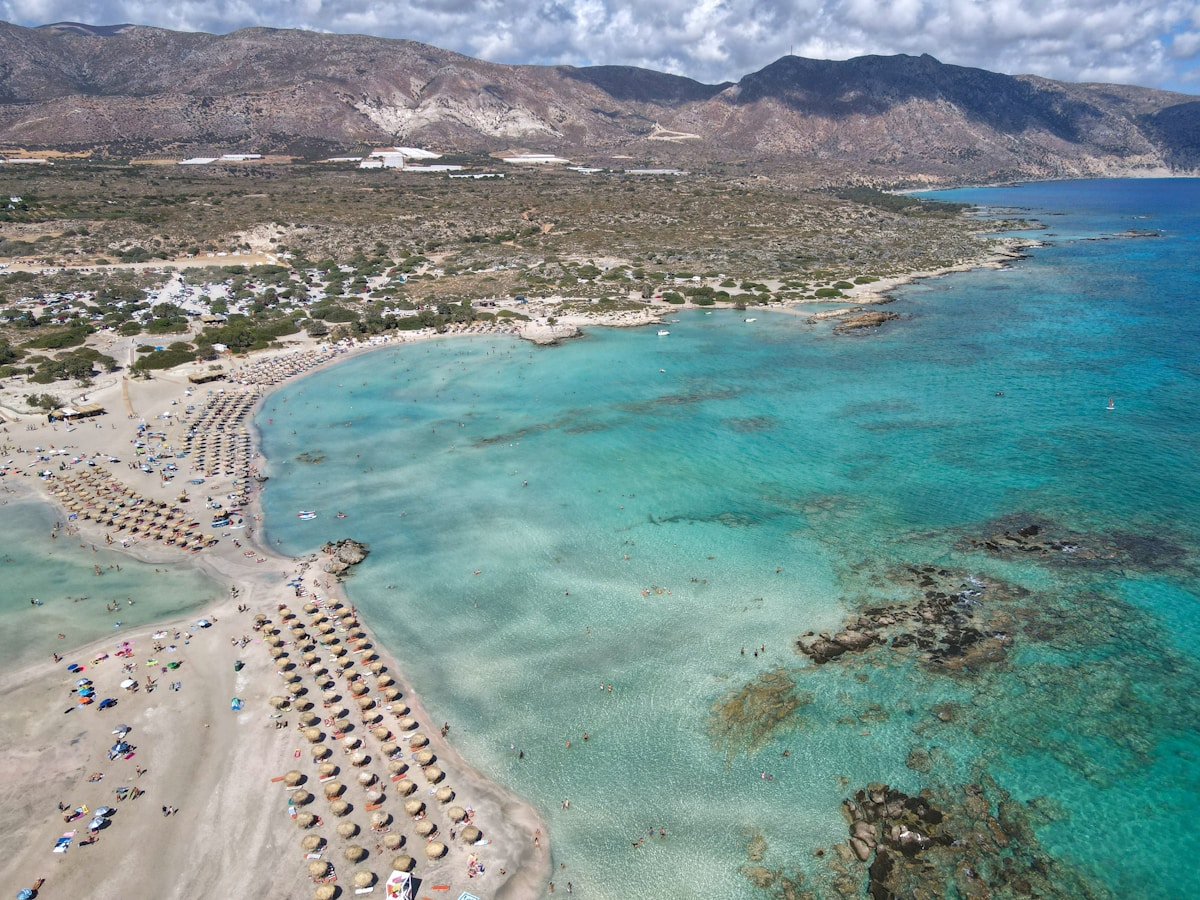
Crete is Greece’s largest island and one of its most varied. The distances are real - the island is 260km from east to west - so tour choice depends on where you’re based. We cover the best Crete experiences matched to different traveller types: the Samaria Gorge walk for adventure lovers, Knossos for culture seekers, the Balos lagoon boat trip for families, and the island’s exceptional food and cooking culture. All prices are approximate as of 2026.
Top Crete Tours at a Glance
| Tour | Duration | Price (from) | Best For |
|---|---|---|---|
| From Heraklion: Samaria Gorge Full-Day Guided Hiking Tour | Full day | from approx. €65 | Adventure lovers |
| From Heraklion: Samaria Gorge Guided Trip | Full day | from approx. €55 | Budget, adventure |
| From Heraklion: Elafonisi Beach Day Tour with Pickup | Full day | from approx. €45 | Families, beach lovers |
| Crete: Balos and Gramvousa Boat Cruise | Full day | from approx. €55 | Families, adventure |
| From Kissamos: Boat Cruise to Balos Lagoon and Gramvousa | Full day | from approx. €42 | Budget, families |
| Small Groups: Balos Gramvousa Sailing Cruise with Lunch | Full day | from approx. €75 | Luxury, solo |
| Crete: Knossos Palace, Heraklion City & Market Guided Tour | Half day | from approx. €35 | Culture seekers, first-timers |
| Crete: Knossos Palace & Museum E-Tickets with Audio Guides | Self-paced | from approx. €18 | Budget, solo |
| Chania: Sunset Boat Cruise with Guide | 3-4 hrs | from approx. €45 | Couples, solo |
| Chania: Authentic Cooking Class in the White Mountains | Half day | from approx. €75 | Culture seekers, foodies |
For Families: Beach Days and Boat Trips
Crete gives families two distinct categories of great day out: beach trips to the island’s most spectacular lagoons, and boat trips that access those lagoons in style. The northwest coast holds both Elafonisi and Balos — two of the finest beaches in the Mediterranean — and the logistics of reaching either are significantly easier by organised tour than independently.
The From Heraklion: Elafonisi Beach Day Tour with Pickup is the best family day trip from Heraklion. Elafonisi is a shallow pink-sand lagoon at the western tip of the island with paddling-depth water that is safe for young children and warm from late May onwards. The coach transfer from Heraklion (approximately 2 hours each way) handles the logistics so you arrive ready to swim. The beach itself is wide enough to find a quiet area even in peak season. From approximately €45 including transport.
For families based in western Crete or keen to reach the equally stunning Balos Lagoon, the From Kissamos: Boat Cruise to Balos Lagoon and Gramvousa departs from Kissamos port and sails to Gramvousa Island (with its Venetian castle perched above a clear turquoise bay) before reaching the Balos Lagoon — a shallow tidal inlet with water shifting between turquoise, blue, and white that genuinely looks tropical in July and August. Children who can swim will want to stay all afternoon. From approximately €42 per person.
The Crete: Balos and Gramvousa Boat Cruise covers the same route from Heraklion with pickup included — the more practical option for families based in the east who want the full lagoon-and-castle combination without needing to drive to Kissamos first. From approximately €55 per person.
For families based in Chania who want a shorter evening water experience, the Chania: Sunset Boat Cruise with Guide departs from the Venetian harbour for a 3-4 hour guided coastal cruise covering the sea caves and coves west of Chania. From approximately €45 per person.
For Solo Travellers: Small-Group Gorge and Town Walks
Solo travellers in Crete typically do best by joining organised day trips rather than renting a car for single-person exploration. The From Heraklion: Samaria Gorge Guided Trip handles all the logistics of a complex multi-modal day - coach to the gorge top, walk, boat transfer from Agia Roumeli - in a shared group format that naturally creates conversation. From approximately €55, it includes transport from multiple pickup points including Heraklion, Agia Pelagia, and Malia.
For solo travellers based in Chania who want urban culture alongside the natural landscape, the Chania: Sunset Boat Cruise with Guide offers a sociable 3-4 hour evening on the water. The Venetian harbour setting and the guided commentary on Chania’s history make this more than a standard sunset cruise.
For Budget Travellers: Self-Guided Knossos and Organised Transport
The Crete: Knossos Palace & Museum E-Tickets with Audio Guides is the budget visitor’s best option for Knossos. The e-ticket includes skip-the-line entry and audio guides for both Knossos Palace and the Heraklion Archaeological Museum - at approximately €18, it covers everything a guided tour would include except the live explanation. The audio guide is comprehensive and allows you to spend as long as you want at each section. The self-paced format suits travellers who prefer to linger rather than move at a group’s schedule.
The From Heraklion: Samaria Gorge Guided Trip at approximately €55 is excellent value given the logistics involved. Getting to the gorge independently (KTEL bus from Chania, €2.60 each way) is cheaper but requires knowing the bus schedule and coordinating the return boat from Agia Roumeli - the tour fee effectively buys that coordination.
For Culture Seekers: Knossos, the Market, and Cretan Cooking
The Crete: Knossos Palace, Heraklion City & Market Guided Tour is the most rewarding half-day in Heraklion for culture-focused travellers. It combines the Minoan palace with a walking tour of Heraklion’s old market - the wholesale cheese and olive dealers along the covered arcade streets that most tourists miss. The Knossos section contextualises the site’s controversial reconstruction by Arthur Evans, explaining what is original excavation and what is 1930s reinforced concrete coloured with artistic interpretation. From approximately €35 per person including transport.
For culture seekers who want to understand Cretan food at a deeper level than a market walk, the Chania: Authentic Cooking Class in the White Mountains takes participants into the agricultural interior above Chania to cook traditional Cretan recipes using local ingredients - cheese from the morning’s milking, wild herbs from the hillside, olive oil pressed from estate groves. The class covers techniques specific to Cretan cooking that mainland Greek cuisine doesn’t use. From approximately €75 including the cooked meal.
For Adventure Lovers: Europe’s Longest Gorge
The From Heraklion: Samaria Gorge Full-Day Guided Hiking Tour is the most physically demanding tour on this list and the most geographically spectacular. The 17km descent from the Omalos Plateau through the White Mountains to the Libyan Sea is Europe’s longest gorge walk - the route drops 1,230m through pine forest, narrowing at the Iron Gates section to just 3 metres wide with walls 300m above. The full-day guided tour from Heraklion includes hotel pickup, guide for the gorge, and coordination of the boat transfer from Agia Roumeli to Hora Sfakion for the coach return. From approximately €65.
The guide adds most value in the upper gorge where the endemic Cretan wild goat (kri-kri) is most visible and the geology is most complex. The lower gorge beyond the Iron Gates is well-marked path through boulder fields - manageable without guidance but requiring proper footwear (not sandals). Allow 5-7 hours walking time.
For Luxury Travellers: Private Boats and Farm Experiences
For visitors who want Crete’s best experiences on their own schedule, the Small Groups: Balos Gramvousa Sailing Cruise with Lunch is the premium route to the lagoon. This small-group sailing cruise departs Kissamos on a proper sailing vessel (not a large motor ferry), visits Gramvousa Island with time to climb to the Venetian castle ruins, and anchors at Balos for an extended swim in the shallows. A traditional Cretan lunch is served on board. The small group cap means the boat does not feel crowded at the lagoon, and the sailing experience is significantly more pleasant than the standard motor ferry version of the same route. From approximately €75 per person as of 2026.
For visitors who want Knossos and the Heraklion Archaeological Museum on their own schedule, private day tours with a licensed guide and transport typically cost approximately €200-300 for 2-4 people. The private format allows you to stop at Knossos before the crowds arrive (before 9am) and spend as long as you want in the museum’s Minoan gold collection.
The Chania: Authentic Cooking Class in the White Mountains can also be upgraded to a private format for groups — ask at booking whether private sessions are available. The White Mountains setting, the farm lunch, and the hands-on cooking techniques make this one of the most distinctive half-days available anywhere in the Greek islands.
Booking Tips
The Samaria Gorge needs no advance booking - arrive at Xyloskalo early (7-8am) to beat the heat and the crowds. Knossos should be booked at least 2 days ahead for summer guided tours. The Elafonisi beach day trip sells out in July and August - book a week ahead. Cooking classes can usually be arranged with 48 hours’ notice. Dress for variable conditions in the gorge: it is cool in the upper section at 8am and hot at the base by 1pm.
Book Crete tours and excursions with GetYourGuide. Pick up a Greece eSIM before you fly - keeps you connected without roaming charges. Compare car hire options in Greece - essential for exploring beyond the main towns.
See Also
- Crete Travel Guide - island overview with where to stay, cities, and practical tips
- Things to Do in Crete - Knossos, Samaria Gorge, Spinalonga, and wine tasting
- Knossos Guide - the Minoan palace in full detail with entry fees and practical tips
- Chania Travel Guide - western Crete base for Samaria Gorge and Balos tours
- Heraklion Travel Guide - eastern Crete base for Knossos and the Archaeological Museum
- Best Beaches in Crete - Elafonisi, Balos, Falassarna, and the Vai palm forest
- Crete vs Santorini - choosing between Crete and Greece’s most famous island