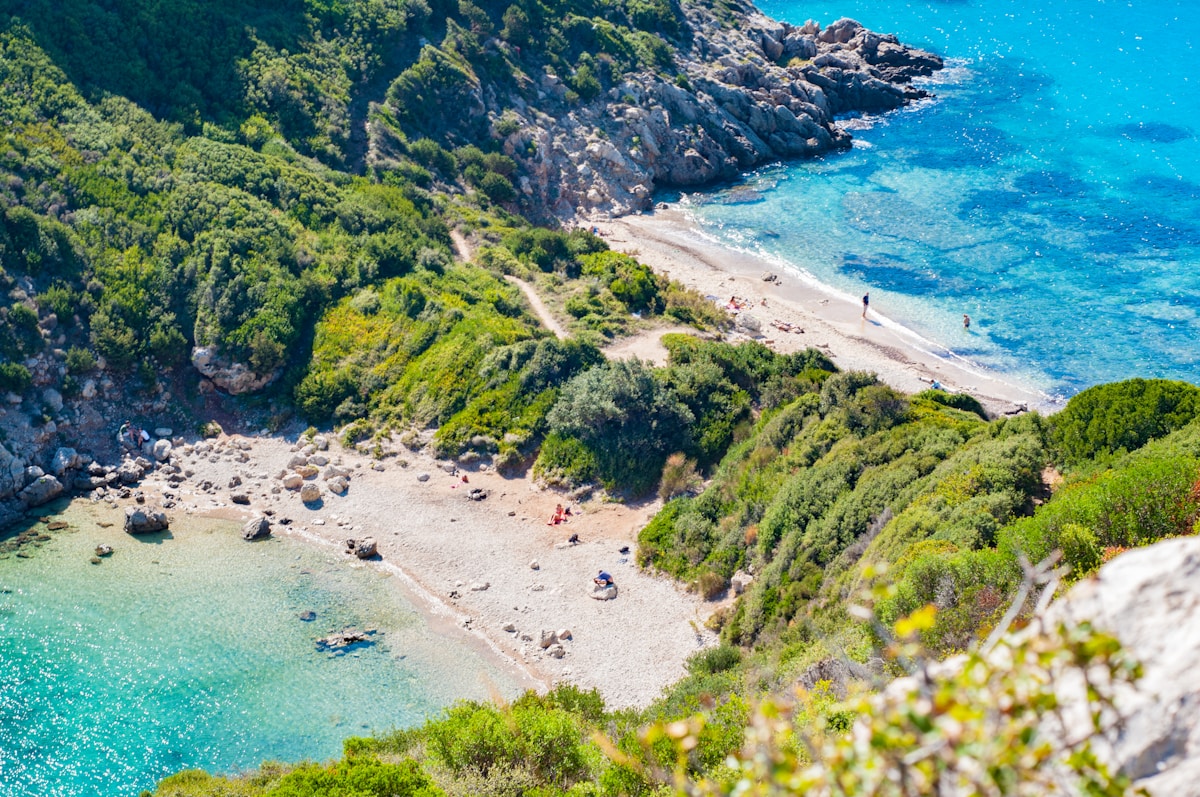
Corfu is Greece’s greenest island - 4 million olive trees cover most of its interior, the result of a Venetian policy in the 17th century that paid farmers to plant them. The island’s character comes from this layering of cultures: Venetian, French, British, and finally Greek. The Old Town is a UNESCO World Heritage Site. Its coast, particularly the northwest, holds some of the most dramatic coves in the Ionian Sea. Here are the best tours matched to different traveller types, with direct links to specific named products on GetYourGuide. All prices are approximate as of 2026.
Top Corfu Tours at a Glance
| Tour | Duration | Price (from) | Best For |
|---|---|---|---|
| From Corfu: Day Cruise to Paxos, Antipaxos & Blue Caves | 7-12 hrs | from approx. €55 | Families, adventure |
| From Corfu Island: Antipaxos & Paxos Blue Caves Boat Cruise | 7-12 hrs | from approx. €50 | Budget, groups |
| Corfu: Paxos, Antipaxos and Blue Caves Cruise with Comfort | 7-12 hrs | from approx. €65 | Couples, comfort seekers |
| Corfu: Luxury Cruise to Paxos, Antipaxos & the Blue Caves | 7-12 hrs | from approx. €85 | Luxury, couples |
| Corfu: History and Culture Walking Tour | 2-3 hrs | from approx. €20 | Culture seekers, solo |
| Corfu Town: Guided Walking Tour with Local Food Tastings | 3 hrs | from approx. €40 | Foodies, families |
| Corfu: Small Group City Walking Tour | 2 hrs | from approx. €15 | Budget, solo |
| Corfu: The Beauty & The Beach Private Tour | Full day | from approx. €90 | Luxury, private |
For Families: Island Day Cruise to Paxos and Blue Caves
The From Corfu: Day Cruise to Paxos, Antipaxos & Blue Caves is the best full-day family activity from Corfu. The cruise takes in three distinct experiences: the Blue Caves at the northern tip of Paxos, where the sea has carved arched caverns through blue-lit limestone and the boat passes through at low speed; Voutoumi Beach on Antipaxos, a stretch of turquoise shallow water with white pebble floor that genuinely rivals the Caribbean; and the village of Gaios on Paxos, with its Venetian tower and waterside tavernas. A Greek BBQ is served on board. Children who snorkel will find the cave sections memorable. From approximately €55 per person, with a 7-12 hour format that leaves time for a proper beach afternoon.
The Corfu Town: Guided Walking Tour with Local Food Tastings is the alternative for families who want a shorter, town-based day. The 3-hour walk covers the UNESCO Old Town with food stops along the route - cumquat liqueur (a Corfu specialty), pasteli sesame bars, and a sit-down restaurant lunch included in some versions. Children engaged by food will find this considerably more interesting than a standard sightseeing walk. From approximately €40 per person.
For Solo Travellers: Town Walks and Shared Boat Cruises
The Corfu: Small Group City Walking Tour is the natural starting point for solo visitors arriving in Corfu Town for the first time. In approximately 2 hours it covers the Old Town’s key layers - the Venetian Liston arcade, the Spianada (the cricket ground introduced by the British), the old fortress - without overwhelming the first-day visitor. At approximately €15, it is the lowest-cost way to get spatial orientation and cultural context before exploring independently. Small group format means the guide can respond to your questions.
For solo travellers who want the full day-cruise experience without paying a premium, the From Corfu Island: Antipaxos & Paxos Blue Caves Boat Cruise covers the Voutoumi Beach swim and Blue Caves at approximately €50. The shared boat format means you’ll be alongside other travellers - good for solo visitors who want company during the day. The 7-12 hour format is long enough to relax on Antipaxos properly.
For Budget Travellers: Old Town Walks and Standard Cruise
The Corfu: Small Group City Walking Tour at approximately €15 is the best-value tour in Corfu. For budget travellers, this combined with independent exploration of the Paleokastritsa coves by local boat (approximately €15 per person from the beach) covers both the main cultural and natural highlights without significant outlay.
The From Corfu Island: Antipaxos & Paxos Blue Caves Boat Cruise at approximately €50 is the budget boat option that still covers Antipaxos and the Blue Caves. The standard format rather than luxury vessel makes this more accessible than the premium version, while covering essentially the same route and beaches.
For Culture Seekers: Venetian History and Olive Oil Heritage
The Corfu: History and Culture Walking Tour is the most historically detailed town tour in Corfu. In 2-3 hours it traces the Old Fortress on its Byzantine foundations, the Venetian rebuilding programme, the French administrative legacy visible in the Liston arcade, and the British contribution - the cricket pitch on the Spianada and the ginger beer sold from street carts, both still in use. The guide connects the architectural layers into a coherent narrative of 600 years of occupation. From approximately €20 per person.
Corfu’s olive oil culture - 4 million trees, an endemic variety called Lianolia, and harvesting methods unchanged since the 17th century - is worth a dedicated half-day. Farm visits in the Ropa Valley combine a walk through old Venetian groves with tastings of early-harvest and mature oil. The difference between Lianolia and mainland Kalamata oil is obvious in tasting; the agricultural history behind it is less obvious without a guide who has grown up with the groves. Olive oil farm tours are typically arranged directly with farms in the Ropa Valley or through local tour operators, from approximately €35-55 per person.
For Adventure and Nature Lovers: Sea Caves and Island Hopping
The From Corfu: Day Cruise to Paxos, Antipaxos & Blue Caves provides the best combination of natural environments in a single day from Corfu - the geological drama of the Blue Caves, the genuinely exceptional snorkelling water of Voutoumi Beach (4-5 metre visibility over a white pebble floor at 2-3m depth), and the village architecture of Gaios in a 7-12 hour format. For travellers whose priority is water quality and natural setting, Antipaxos is the best beach in the Ionian Islands and this is the easiest way to reach it.
The Paleokastritsa cave boat trips - run by local fishermen from the main Paleokastritsa beach for approximately €15 per person - are a shorter, more intimate alternative. The 45-minute trip into the sea caves covers the network of grottos and arches along the headland, including the largest natural sea arch on the island. No advance booking needed - walk up to the beach between 9am and 1pm.
For Luxury Travellers: Private Beach, Comfort Cruises and Old Town
For couples and travellers who want the Paxos cruise experience without the volume of passengers on standard vessels, the Corfu: Paxos, Antipaxos and Blue Caves Cruise with Comfort offers a step up from the budget boat options. The deluxe vessel visits the Blue Caves (where sea light filters through the limestone arches to create turquoise reflections), stops at Voutoumi Beach on Antipaxos for swimming and snorkelling, and allows over 2 hours in Gaios for exploring Paxos village and a harbour-side lunch at a family-run taverna. From approximately €65 per person as of 2026.
For the premium version of the same circuit, the Corfu: Luxury Cruise to Paxos, Antipaxos & the Blue Caves operates on a premium vessel with smaller passenger numbers. From approximately €85 per person, it covers the full Paxos-Antipaxos circuit in genuine comfort.
The Corfu: The Beauty & The Beach Private Tour combines a private visit to Paleokastritsa with a private walking tour of the UNESCO Old Town in a single day. The private format means you reach Paleokastritsa before the beach crowds, spend as long as you want at the coves, and move on to the Old Town on your own schedule. From approximately €90 per person — a well-priced private option given what it covers in a single day.
Booking Tips
Paleokastritsa cave boat trips need no advance booking - show up at the beach between 9am and 1pm. The Paxos day cruise should be booked 3-5 days ahead in summer. Old Town walking tours can often be booked same-day except in July and August when morning slots fill by noon. The private beach and Old Town tour requires at least 48 hours’ notice.
Book Corfu tours and excursions with GetYourGuide. Pick up a Greece eSIM before you fly - keeps you connected without roaming charges. Compare car hire options in Greece - essential for exploring beyond the main towns.
See Also
- Corfu Travel Guide - island overview with where to stay, the Venetian Old Town, and getting there
- Things to Do in Corfu - Paleokastritsa, Achilleion Palace, and the Corfu Trail
- Best Beaches in Corfu - Paleokastritsa, Glyfada, Canal d’Amour, and Agios Gordios
- Restaurants in Corfu - Corfiot specialties and the best tavernas
- Where to Stay in Corfu - Old Town hotels vs beach resort areas
- Corfu vs Zakynthos - comparing the two most visited Ionian islands
- Greece Car Rental Guide - essential for exploring Corfu’s beaches between tours