Mykonos Travel Guide: Little Venice, Beaches & Real Costs
Your honest guide to Mykonos: Little Venice, the best beaches, where to stay without overpaying, how to get there, and what the island actually costs.
Guides for Mykonos
Mykonos built its international reputation in the 1960s when artists and wealthy Europeans discovered a remote Cycladic island with exceptional beaches. It has been trading on that reputation ever since, and the prices reflect it. The old town (Chora) remains genuinely beautiful - a labyrinth of whitewashed alleys designed to confuse pirate invaders. The beaches (Paradise, Super Paradise, Elia, Psarou) are among the best in Greece.
Mykonos Town (Chora)
The old town is a UNESCO-listed example of Cycladic architecture - narrow whitewashed alleys, colourful doors and shutters, pelicans wandering through the streets (the resident pelicans are an unofficial mascot). Getting lost in the alleys is the point; they were designed without logical layout to disorient attackers.
Windmills: The 16th-century windmills at the top of Chora are the most photographed feature - best at golden hour.
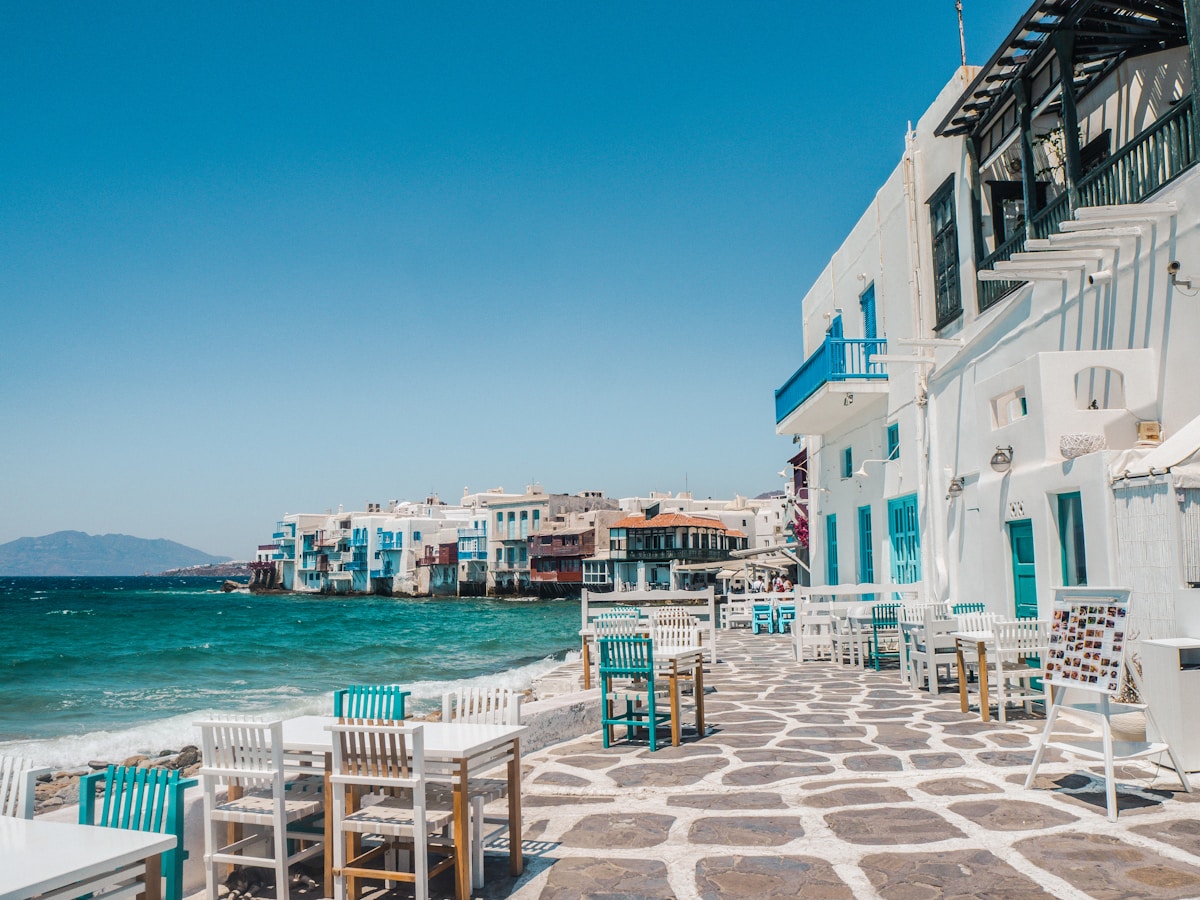
Little Venice (Alefkandra): The row of waterside houses is at its best around sunset when the bars fill up. Drinks approximately €14–22 per cocktail at the waterfront bars.
Beaches
Mykonos has excellent beaches at a range of crowd levels - from Psarou (small, glamorous, sunbeds from €30–50 per pair) to Elia (the island’s longest, quieter and more local) and Agios Sostis in the north (no umbrellas, no development). Full details, directions, and sunbed prices are in our Mykonos beaches guide.
Where to Stay in Mykonos
Mykonos Town (Chora) is the best base for first-time visitors: the windmills, Little Venice, and the best restaurants are all on foot. Ornos suits families wanting a beach-hotel experience; the south coast beaches (Paradise, Super Paradise) have beach club accommodation for those whose trip centres on the club scene.
Budget (from approximately €90–140/night)
Small guesthouses in Mykonos Town offer the most accessible prices on an island where accommodation costs are uniformly high. Budget rooms in the Chora lanes start from approximately €95/night in peak season, though availability is very limited and advance booking is essential. From approximately €95/night as of 2026.
Studios near Ornos are a practical budget option with proximity to the beach and bus connections into town, at prices below the main Mykonos Town properties. From approximately €100/night as of 2026.
Rooms near the new port (Tourlos) provide a practical base at the lower end of the island’s price range, within a short bus or taxi ride of the main sights and beaches. From approximately €90/night as of 2026.
Mid-range (from approximately €200–350/night)
Semeli Hotel in Mykonos Town is a well-regarded property combining a garden pool and comfortable rooms with a central location close to the windmills and the harbour. It is one of the most reliable mid-range choices on the island. From approximately €250/night as of 2026.
Belvedere Hotel near Mykonos Town is a design-conscious mid-range to mid-luxury property with a pool, spa, and a position that works for both town access and beach days. From approximately €300/night as of 2026.
Mykonos Town House offers boutique accommodation in the Chora with well-appointed rooms and a rooftop pool. It suits those who want a town-centre position without paying the very highest luxury rates. From approximately €220/night as of 2026.
Luxury (from approximately €450/night)
Kivotos Hotel in Ornos is one of the most respected luxury properties on the island, with a clifftop pool, well-appointed suites, and an atmosphere that is more intimate than the larger resort hotels. From approximately €500/night as of 2026.
Myconian Ambassador Hotel at Platis Gialos beach is a full-service luxury resort with direct beach access, a thalassotherapy spa, and multiple pools. From approximately €480/night as of 2026.
Cavo Tagoo near Mykonos Town is among the most photographed hotels in Greece, with its famous overwater infinity pool and cave pool. Suites are large and the position combines sea views with walkable access to the town. From approximately €600/night as of 2026.
Search hotels in Mykonos on Booking.com
Where to Eat in Mykonos
Mykonos is expensive for food - budget approximately €30–50 per person at a mid-range restaurant, significantly more at the beach clubs. The best value on the island is the souvlaki shops in the back streets of Chora at €3–4 per wrap. Our Mykonos restaurants guide covers the full range.
Delos
One of the most important ancient sites in the Aegean - the sacred island of Apollo and Artemis, uninhabited since antiquity and preserved by its deserted state. The entire island is an archaeological site: temples, a sacred lake, the famous Terrace of the Lions (marble lions guarding the sacred precinct), and the remains of a major Hellenistic trading city. Entry €12 adult, open 8am–3pm (closed Monday). Boats from Mykonos Old Port take 30 minutes and run from approximately 8am daily in season (return ticket approximately €20 - buy at the port).
Note: No accommodation or overnight stays are permitted on Delos. Arrive early (first boat, 8am) to have the site mostly to yourself before the mid-morning crowd arrives.
Getting Around Mykonos
Buses (KTEL Mykonos) run from the Old Port to the main beaches - approximately €2–3 per journey. The schedules are reliable but buses fill up completely in summer; allow extra time. Taxis are scarce and expensive - during peak season, you may wait 30–45 minutes for a taxi in town. Pre-booking an airport transfer with Welcome Pickups avoids the taxi queue on arrival. Water taxis run from the Old Port to Paradise, Super Paradise, Ornos, and Platis Gialos (approximately €8–15 per journey depending on destination).
Budget Realities
Mykonos is genuinely expensive - more so than Santorini in July–August. A realistic daily budget:
- Budget traveller (hostel dorm, souvlaki meals, public buses): €90–120/day in peak season
- Mid-range (guesthouse, restaurant dinners, a beach club afternoon): €200–350/day in peak season
- Luxury (caldera-view suite, beach club tables, restaurant dinners): €500+/day in peak season
The gap between peak (July–August) and shoulder (May–June, September) is significant - a hotel that costs €200/night in August may cost €90–110 in May. If Mykonos is on your list, shoulder season is the rational choice.
For detailed guides, see: things to do in Mykonos, best beaches in Mykonos, restaurants in Mykonos, tours in Mykonos, and where to stay in Mykonos.
Comparing party islands? See Mykonos vs Ios and Santorini vs Mykonos.
Book Mykonos boat trips, tours, and sunset cruises with GetYourGuide.
See Also
- Mykonos Day Trips - the best excursions from Mykonos with transport and prices
- Things to Do in Mykonos - Little Venice, Delos day trip, and the best beaches
- Best Beaches in Mykonos - Paradise, Super Paradise, Psarou, and Ornos
- Restaurants in Mykonos - where to eat without paying peak-season prices
- Best Tours in Mykonos - Delos guided visits, sailing trips, and sunset cruises
- Where to Stay in Mykonos - Mykonos Town vs. beach hotels
- Santorini vs Mykonos - the definitive comparison
- Mykonos vs Ios - party island comparison
- Delos Guide - the sacred island, accessible only from Mykonos
- Greek Island Hopping Guide - Mykonos in a multi-island circuit
- Cyclades Guide - all the Cycladic islands covered in one place
- Greek Island Ferry Guide - ferries from Mykonos to Santorini, Naxos, and Paros
Frequently Asked Questions
- Is Mykonos worth it?
- Mykonos has genuine appeal - the old town (Chora) is one of the best-preserved Cycladic towns, the beaches are excellent, and the island has a long tradition of welcoming LGBTQ+ travellers. But it is extremely expensive in July and August, and the party scene is aggressively promoted. If you are not interested in high-end beach clubs and nightlife, consider Paros or Naxos instead.
- When is the best time to visit Mykonos?
- May–June and September–October give you good weather, manageable crowds, and prices 30–50% lower than peak season. The famous party season runs July–August and is genuinely loud, expensive, and congested.
- How do I get to Mykonos?
- Ferry from Piraeus (approximately 2.5–5 hours depending on vessel, from €30 conventional ferry or €60+ high-speed). Domestic flight from Athens (approximately 45 minutes, from €40). The port is at the new port (Old Port for some ferry lines); the airport is 3km from Mykonos Town.
- What is Little Venice in Mykonos?
- A row of Cycladic houses built directly over the water on the western waterfront of Mykonos Town - the balconies overhang the sea. Photogenic but primarily a tourist viewing spot. The café-bars here have excellent sunset views but charge premium prices.
Book an experience
Top experiences in Mykonos
Explore the best tours and activities in Mykonos, with instant confirmation and free cancellation on most bookings.