Greece and Turkey share the Aegean Sea and thousands of years of intertwined history, but they offer genuinely different travel experiences. Both are outstanding destinations. The choice depends on what you want: the Hellenic world and island culture, or the Ottoman legacy and Anatolian scale.
Quick Verdict
| Category | Greece | Turkey |
|---|---|---|
| Ancient history | ★★★★★ | ★★★★★ |
| Beach quality | ★★★★★ | ★★★★ |
| Food | ★★★★ | ★★★★★ |
| Budget value | ★★★ | ★★★★★ |
| Island options | ★★★★★ | ★★★ |
| City experience | ★★★★ | ★★★★★ |
| Safety/infrastructure | ★★★★★ | ★★★★ |
Go to Greece if you want the definitive Mediterranean island experience, clear blue water, Cycladic architecture, and well-developed tourist infrastructure. Go to Turkey if you want lower prices, greater variety within one country (coast + interior + city), Istanbul, and Cappadocia.
History and Archaeology
Greece
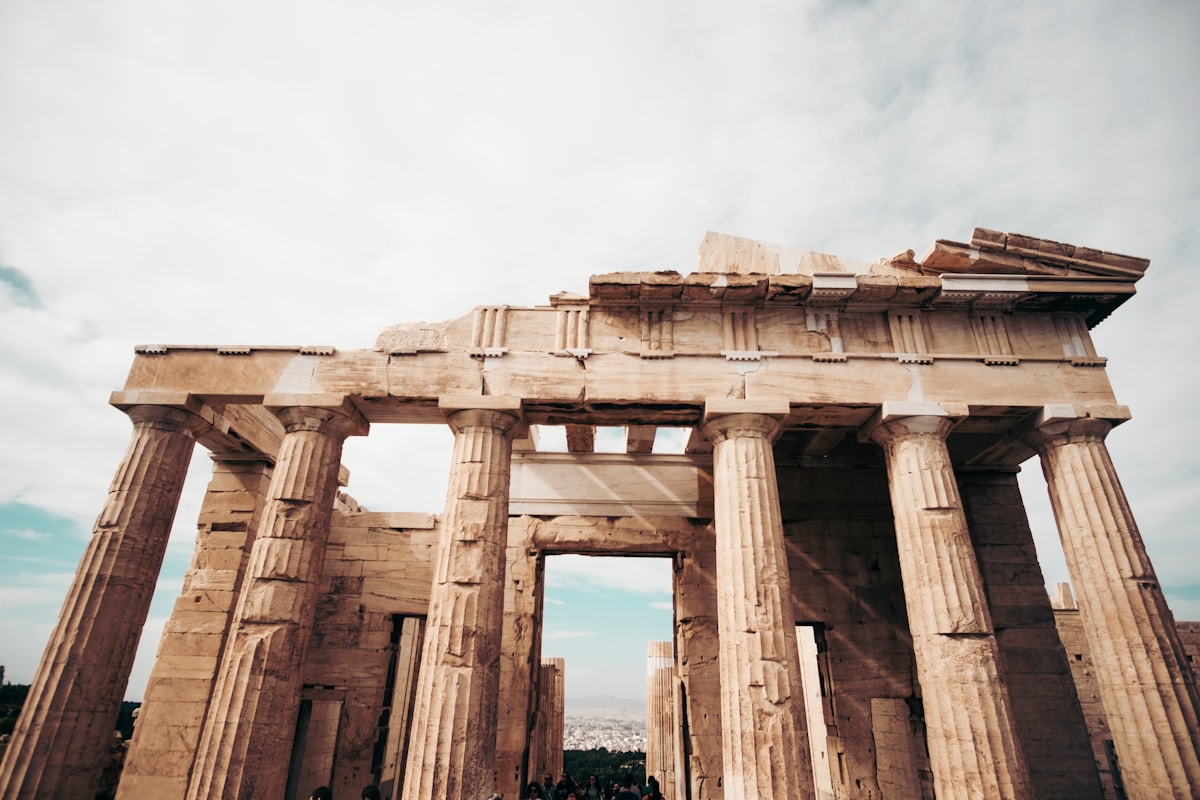
Greece is the birthplace of Western civilisation and the monuments reflect that weight. Athens’s Acropolis and the surrounding ancient quarter, Delphi, Olympia, Epidaurus, the Minoan palace at Knossos on Crete, and the archaeological sites scattered across dozens of islands - Greece has one of the highest concentrations of significant ancient sites anywhere in the world. Entry to the Acropolis costs approximately €20 as of 2026; many sites are free or reduced on the first Sunday of each month outside peak season.
Turkey
Turkey matches Greece for ancient sites and in some respects exceeds it in scale and variety. Ephesus (near Selçuk) is among the best-preserved ancient cities in the world and rivals anything in Greece or Italy. Pergamon, Troy, Aphrodisias, and Hierapolis (Pamukkale) are all extraordinary. Istanbul layers Byzantine, Roman, and Ottoman history across a single city - the Hagia Sophia, the Blue Mosque, the Topkapi Palace, and the Grand Bazaar all within walking distance.
Turkey also has Cappadocia, which has no equivalent in Greece: the volcanic rock valleys, cave churches, underground cities, and hot-air balloon flights over the landscape at dawn.
Verdict: A draw for history - both countries are exceptional and offer a lifetime of exploration.
Beaches
Greece’s Aegean and Ionian islands have some of the finest beaches in Europe. The Cyclades deliver electric-blue water against dramatic scenery - Milos’s Sarakiniko (white volcanic rock above turquoise coves), Naxos’s Plaka (3km of sand backed by cedar forest), and the vivid blue-green bays of Kefalonia and Zakynthos in the Ionian. Crete’s south coast has some of the most spectacular large-scale beaches in the Mediterranean: Elafonisi’s pink-sand lagoon, Balos’s white sandbar and shallow turquoise waters, and Preveli’s palm beach where a freshwater river meets the Libyan Sea. The variety across the Greek island system - Cyclades, Ionian, Dodecanese, Sporades - is genuinely unmatched in Europe.
Turkey’s Turquoise Coast - the stretch from Bodrum through Marmaris, Fethiye, and Kas to Antalya - has excellent beaches with warm water and well-developed infrastructure. Ölüdeniz’s Blue Lagoon near Fethiye is one of Turkey’s most photographed spots, a UNESCO-protected bay of extraordinary turquoise colour. Kaputaş Beach near Kaş is a dramatic narrow cove with vivid blue water. Konyaaltı Beach in Antalya stretches 7km with the Taurus Mountains rising directly behind. Turkey’s beach infrastructure is good and prices are lower than Greece, but the island scenery of the Aegean - particularly the Cyclades’ water clarity and variety - is generally considered superior.
Verdict: Greece for island-based beach holidays with superior water clarity and scenic variety; Turkey for accessible coast with excellent value.
Food
Greek Food
Greek cuisine is built on exceptional raw ingredients and kept deliberately simple: grilled octopus charred over charcoal, lamb kleftiko slow-roasted in parchment with herbs, fried courgette balls with fresh tzatziki, spanakopita from a wood-fired tray. A good mezedes spread at a harbour taverna - feta, taramosalata, grilled peppers, marinated anchovies, warm bread - is one of Europe’s most satisfying meals at €20–30 per person with wine.
The base ingredients set the standard: Cretan olive oil (among the world’s finest), feta with a protected designation of origin, fresh-caught fish from the Aegean and Ionian, and lamb from mountain pastures in the Peloponnese and Crete. On Crete specifically - Greece’s largest island - the regional food tradition is among Europe’s most developed, with dishes like dakos (barley rusk with tomatoes and mizithra cheese), slow-cooked goat with stamnagathi (wild greens), and smoked apaki pork that reflect centuries of local farming.
The wine scene has improved dramatically in the past two decades. Assyrtiko from Santorini (volcanic-soil white wine of striking minerality and acidity) is now internationally exported and well-reviewed. Xinomavro from Naoussa in northern Greece produces reds with structure and age-worthiness comparable to Barolo. Agiorgitiko from the Peloponnese is the most widely planted red variety. A bottle of good Greek wine from a restaurant wine list runs €20–40.
Turkish Food
Turkish cuisine is wider in scope and arguably more complex. Istanbul alone contains köfte (grilled or fried meatballs), kebab in regional variations (Adana’s spiced lamb, Urfa’s milder version, the slow-cooked İskender), balık ekmek (fresh mackerel sandwiches from Bosphorus boats), lahmacun (thin lamb flatbread), börek (layered pastry with cheese or meat), and baklava in dozens of regional forms. Meze culture in Turkey rivals Lebanon: fried courgette with garlic yoghurt, stuffed vine leaves with pomegranate, Aegean octopus with capers, smoked aubergine salad.
Breakfast in Turkey is a serious institution: a spread of white cheese, olives, sliced tomatoes, cucumbers, fresh bread, eggs with spiced butter, honey and kaymak (clotted cream), alongside çay (black tea served in tulip glasses) that continues through the morning. This breakfast culture is genuinely superior to anything Greece offers in the morning.
The Black Sea coast has outstanding seafood - hamsi (anchovy) are as important to the Black Sea as octopus to the Aegean. Turkey is also exceptional for budget eating: a full meal in a local lokanta (casual restaurant) costs €5–8, making Turkey significantly easier on a tight food budget than Greece’s tourist-facing taverna scene.
Verdict: Turkey for food breadth and value; Greece for simplicity done perfectly.
Cost Comparison
As of 2026, Turkey offers considerably better value than Greece, particularly for accommodation and eating out.
| Category | Greece (islands) | Turkey (coast) |
|---|---|---|
| Midrange hotel (per night) | €80–200 | €45–110 |
| Dinner per person with wine | €30–55 | €15–35 |
| Local coffee/tea | €3.50–5 | €1–2 |
| Museum/site entry | €8–20 | €5–15 |
| Domestic transport | Moderate | Low |
A week-long trip in Greece can cost twice what the equivalent trip in Turkey costs, particularly if you’re visiting the popular Cycladic islands.
Getting There and Around
Greece: Well-served by European budget airlines - Ryanair, Wizz Air, and easyJet fly directly from most major UK and European hubs to Athens, Thessaloniki, and directly to major islands. Domestic island connections via Aegean Airlines and Sky Express take 35–55 minutes from Athens with fares from approximately €50 one-way. The extensive ferry network from Piraeus serves more than 50 islands: high-speed catamarans to Mykonos (2.5 hours, from €45) and Santorini (4–5 hours, from €55); overnight conventional ferries to Crete (8 hours, from €35 in a seat). Island-hopping requires planning ahead in July and August when ferries book up. See our getting around Greece guide.
Turkey: Istanbul is served by two major airports (Atatürk is domestic-only; Istanbul Airport handles most international traffic). Turkish Airlines operates one of the world’s largest international route networks; budget carrier Pegasus covers domestic routes. The Turkish coast is best reached via dedicated regional airports: Milas-Bodrum (BJV), Dalaman (DLM, for Fethiye and Marmaris), and Antalya (AYT). Return fares from London typically run €100–200 in shoulder season. Domestic Turkish flights are frequent and inexpensive - Pegasus connects coastal airports to Istanbul in 1–1.5 hours for €30–70 one-way. Car hire is generally cheaper in Turkey than in Greece, and the coastal road network between resort towns is straightforward to navigate.
Verdict: Both countries are well-served by international flights. Island-hopping in Greece requires ferry planning; Turkey’s coast is served efficiently by multiple regional airports.
Practicalities
Greece: EU member and part of the Schengen Area. Currency is the Euro (€). Most Western nationalities (UK, US, Canada, Australia) enter visa-free for up to 90 days within any 180-day period. Note that ETIAS - the EU pre-travel authorisation for non-EU nationals - is expected to launch with a small fee in late 2026; check the status before travelling. Infrastructure is well-developed: English is widely spoken in tourist areas, emergency healthcare is accessible at public hospitals, and credit and debit cards are accepted almost everywhere. Pick up a Greece eSIM before you fly to avoid roaming costs - it activates on landing.
Turkey: Non-EU country; currency is the Turkish Lira (TRY). Most Western nationalities (UK, US, Canada, Australia) require an e-Visa obtained online before travel - approximately USD 50–60 as of 2026, paid by card at the official government portal (evisa.gov.tr). The e-Visa is straightforward but must be done before arrival, not at the border. Check your government’s travel advice before visiting; the political situation and occasional civil unrest in major cities require awareness, though the tourist coast is generally unaffected. Private hospitals charge full rates for uninsured visitors - travel insurance covering medical evacuation is strongly recommended. English is widely spoken in resort towns and tourist areas. Cash in Turkish Lira is useful in rural areas and smaller restaurants. Currency conversion rates are volatile; check rates close to travel.
Verdict: Greece involves less pre-trip bureaucracy for most Western visitors. Turkey’s e-Visa process is straightforward but requires action before arrival.
Our Verdict
Greece and Turkey are not rivals - they’re complementary destinations. If you must choose:
Choose Greece if you want European infrastructure, Mediterranean island culture, certainty about safety standards, or you’re combining with other EU destinations.
Choose Turkey if you want extraordinary value, Istanbul, Cappadocia, a greater variety of landscapes within one country, or you want to stretch a modest travel budget further.
Do both if you have 2–3 weeks - the ferry connections between Rhodes and Marmaris, or Kos and Bodrum, make a combined Aegean trip genuinely straightforward. Start with our best time to visit Greece and plan accordingly.
Search flights to Greece across multiple airlines in one place. Pick up a Greece eSIM before you fly - keeps you connected without roaming charges. Sort out travel insurance for Greece before you leave.
See Also
- Rhodes Island Guide - the main departure point for Turkey day trips and ferries
- Kos Island Guide - with direct ferries to Bodrum
- Best Greek Islands Guide - how the islands compare across different travel priorities
- Greece Visa Guide - Schengen entry requirements for the Greek side
- Greece vs Italy - the other main Mediterranean alternative
- Best Time to Visit Greece - optimal timing for an Aegean two-country trip
- Greece vs Croatia - Adriatic vs Aegean compared
- Greece vs Spain - western Mediterranean alternative
Plan Your Trip
✈️ Book your flights to Greece 🛡️ Get travel insurance 📱 Stay connected with an eSIM 🚗 Rent a car