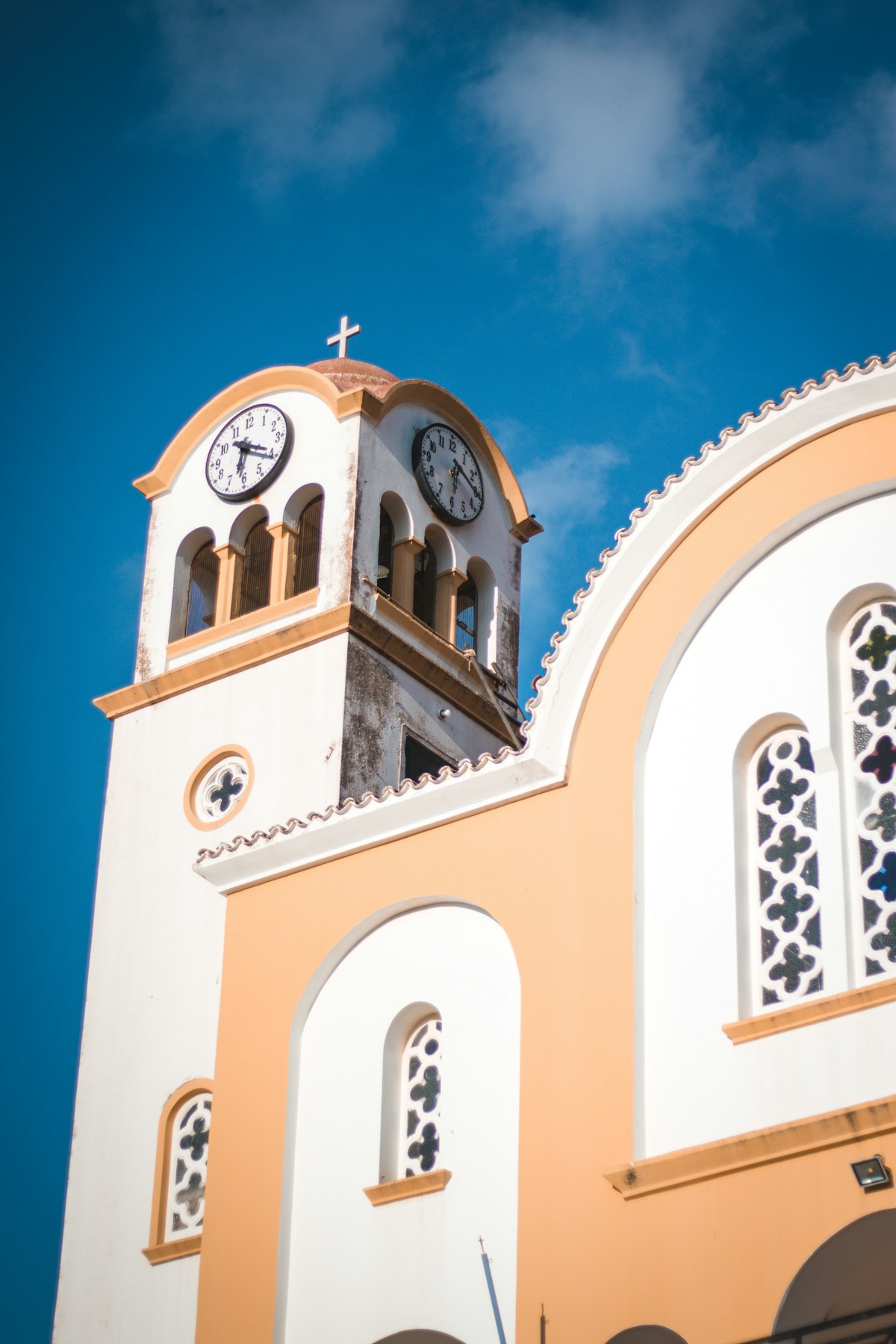
Heraklion is not Crete’s most immediately charming city - the Venetian old town is fragmentary compared to Chania, and the modern city that surrounds it is busy and unpolished. What Heraklion has, however, is the concentration of Minoan civilisation that no other place on earth can match: the Palace of Knossos 5km to the south and the Heraklion Archaeological Museum in the city centre hold more significant Bronze Age material than the British Museum and the Louvre combined. That alone makes it essential on any serious Crete itinerary. Here are the ten experiences worth your time, with practical details for each.
Top Guided Experiences in Heraklion
| Tour | Duration | Price (from) | Group Size | Highlights |
|---|---|---|---|---|
| Knossos Guided Tour | 3 hrs | from EUR 15/person + entry | Small group | Minoan palace, Throne Room, Grand Staircase, expert commentary |
| Heraklion + Knossos Combo Tour | 5 hrs | from EUR 40/person | Small group | Archaeological Museum (EUR 12), Knossos (combined ticket EUR 20) |
| Minoan Crete Day Tour | 8 hrs | from EUR 60/person | Small group | Knossos, Heraklion Museum, Phaistos palace (EUR 8 entry) |
| Heraklion City Walking Tour | 2.5 hrs | from EUR 20/person | Small group | Koules Fortress (EUR 4), Venetian walls, 1866 Street market |
Browse all Crete tours → GetYourGuide
Palace of Knossos
Knossos is the largest Bronze Age archaeological site on Crete and the legendary seat of King Minos. The palace complex - rebuilt multiple times between 1900 and 1450 BC - once housed up to 1,000 people and served as the administrative, religious, and economic centre of Minoan civilisation.
The site Arthur Evans excavated from 1900 onwards and controversially reconstructed using reinforced concrete is what you see today. The reconstructions are contested by archaeologists but they help non-specialist visitors visualise what the palace looked like. The Throne Room (with the original alabaster throne still in place), the Grand Staircase, the queen’s megaron, and the storage magazines with their giant pithoi (clay storage jars) are the key areas.
Entry: Approximately EUR 15 standard, EUR 8 reduced (as of 2026). Combined ticket with the Heraklion Archaeological Museum approximately EUR 20.
Opening hours: Daily 8am–8pm in summer (May–October). Check for seasonal variations.
Getting there: Bus 2 from Heraklion city centre (Plateia Eleftherias) to Knossos takes approximately 20 minutes (approximately EUR 1.70 as of 2026). Taxis from the harbour cost approximately EUR 8–10.
Guided tours: A knowledgeable guide makes a substantial difference at Knossos. The reconstructed frescoes (originals in the museum), the Minoan drainage system, and the myth of the Minotaur’s labyrinth all require context that on-site signage only partially provides. Guided tours from Heraklion run approximately EUR 15–25 per person on top of entry.
Heraklion Archaeological Museum
The Heraklion Archaeological Museum on Plateia Eleftherias holds the most important collection of Minoan artefacts in the world. Every major Minoan site on Crete - Knossos, Phaistos, Akrotiri, Malia, Zakros - has its most significant finds displayed here.
The collection is organised chronologically across two floors. The highlights:
- Bull-leaping fresco (c.1500 BC): The most famous image of Minoan art, showing a male figure vaulting over a bull’s back.
- Snake Goddess figurines (c.1600 BC): Faience statuettes of a female figure holding writhing snakes - the most reproduced image of Minoan religion.
- Phaistos Disc (c.1700 BC): A clay disc impressed with 241 signs in a spiral pattern. The language is unknown and the disc remains undeciphered.
- Minoan gold jewellery: Rings and pendants of extraordinary technical refinement, particularly from the royal burials at Mochlos.
Entry: Approximately EUR 12 standard (as of 2026), included in the combined ticket with Knossos.
Opening hours: Daily 8am–8pm in summer. Allow at least 2–3 hours.
Koules Venetian Fortress (Rocca al Mare)
The Koules fortress guards the entrance to Heraklion’s inner harbour - a square block of honey-coloured sandstone built by the Venetians between 1523 and 1540, bearing three carved reliefs of the Lion of St Mark. The interior is largely empty but the flat roof offers the best view of the harbour and the city’s extended Venetian walls.
The fortress withstood an Ottoman siege for 22 years before Crete finally fell in 1669 - the longest siege in Venetian history.
Entry: Approximately EUR 4 as of 2026.
Opening hours: Tuesday–Sunday 8am–8pm in summer. Closed Mondays.
Venetian Walls of Heraklion
The Venetian walls around Heraklion are among the best-preserved city fortifications in the Mediterranean - 4km in circumference, up to 40m thick in places, and featuring seven bastions including the Martinengo Bastion where the writer Nikos Kazantzakis is buried. The view from the top of the walls across the city and to the sea is excellent.
The walls are walkable for much of their length; the most accessible section runs from the Chania Gate west through the Panigra and Bethlehem bastions. No entry fee for the walls themselves.
Heraklion Old Town: 1866 Street and Eleftherias Square
The city’s covered market along 1866 Street (Odos 1866) is the working Cretan equivalent of Chania’s Agora - with the same mix of spice merchants, cheese sellers, olive merchants, and herb stalls, but with a more daily-life character and fewer souvenir outlets. It runs between El Greco Park and Plateia Kornarou, approximately 400m.
Plateia Eleftherias (Freedom Square) is the social centre of modern Heraklion - a large paved square flanked by the Archaeological Museum, café terraces, and the 17th-century Venetian Morosini Fountain (the Loggia Fountain) at its western end.
Heraklion Natural History Museum
The Natural History Museum, west of the city centre, focuses on the ecosystems and biodiversity of Crete and the eastern Mediterranean. The geology section covers Crete’s formation; the marine section displays local fish species and reef organisms. Smaller and less visited than the Archaeological Museum, it is a good option with children or in the heat of the afternoon.
Entry: Approximately EUR 5 as of 2026.
Opening hours: Daily 9am–5pm in summer.
Phaistos and the Mesara Plain
The Minoan palace at Phaistos (62km southwest of Heraklion) is Knossos’s greatest rival - larger in some respects, less reconstructed, and set on a hill above the Mesara plain with a dramatic landscape view that Knossos lacks. The Phaistos Disc was found here. The site is much quieter than Knossos and, for many visitors, more rewarding precisely because Evans never touched it.
Getting there: KTEL buses from Heraklion bus station to Phaistos (approximately 1.5 hours, EUR 7 each way). By car, approximately 1 hour via the Mesara valley road.
Entry: Approximately EUR 8 as of 2026. Combined ticket with the nearby Agia Triada site approximately EUR 12.
Matala Beach and Caves
Matala (75km southwest of Heraklion) is a beach town with a particular 1970s history - the sea caves carved into the sandstone cliffs above the beach were occupied by a community of European and American hippies until their eviction in 1977. Joni Mitchell wrote “Carey” here. The caves are now an archaeological site (the Romans used them as tombs) with a small entry fee.
The beach is sandy and pleasant; the bay is sheltered. Better approached as part of a Mesara plain drive that includes Phaistos than as a standalone destination.
Entry to the caves: Approximately EUR 3 as of 2026.
For guided Heraklion and Knossos tours, see our Crete tours guide. For the full city overview including where to stay and transport, read our Heraklion travel guide.
Book Crete tours and excursions with GetYourGuide. Pick up a Greece eSIM before you fly - keeps you connected without roaming charges.
Search hotels in Heraklion on Booking.com
See Also
- Heraklion Travel Guide - full city guide with accommodation and transport
- Best Restaurants in Heraklion - from the 1866 Street market to fine dining
- Day Trips from Heraklion - Knossos, Matala, Elounda, and eastern Crete
- Knossos Palace Guide - the Minoan palace in full detail
- Crete Travel Guide - the full island overview
- Best Beaches in Crete - the best beaches across the island
- Best Tours in Crete - guided tours from Heraklion
- Chania Travel Guide - western Crete’s most atmospheric city