Greece is one of the best family destinations in Europe, and often underrated as such. The combination of calm, warm seas, beach-friendly logistics, food that most children eat happily, and Greek culture’s genuine warmth toward children makes it work well for families across a wide age range. Here is how to plan it well.
For families, Crete, Naxos, and Rhodes are consistently the best island choices - large enough to have full infrastructure, with wide sandy beaches and calm water.
Best Greek Islands for Families
Naxos: The Standout Choice
Naxos has the best beaches in the Cyclades for families with young children. Agios Prokopios is the headline: a 2 km arc of fine white sand with shallow water that stays knee-deep for 50 metres, run-down sunbeds from approximately €8/day as of 2026, and a beach bar with shade structures. Plaka Beach, 3 km further south, is wider and less developed - good for families who want more space. Agia Anna sits between the two and has the most restaurants and amenities within walking distance.
Naxos Town (Chora) has a proper main square where children run freely in the evenings while adults drink ouzo - exactly the kind of low-pressure atmosphere that makes Greek family travel work.
Where to stay: Naxos Imperial Resort & Spa offers family suites from approximately €180/night as of 2026, with pools and a beach directly accessible. For a more local feel, Iria Beach Art Hotel has family rooms with kitchenettes from approximately €120/night - useful for breakfast and snack management.
Search hotels in Greece on Booking.com
Paros: Easy to Navigate, Great Beaches
Paros is compact and well-connected. Kolymbithres (near Naoussa) is a series of sculpted granite rock formations creating sheltered coves with calm water and sandy patches - unusual and genuinely interesting for older children. Golden Beach on the east coast has consistent shallow water, several tavernas with chairs and umbrellas, and a watersports school where older children can try windsurfing.
The ferry crossing from Athens (Piraeus to Paros) takes approximately 4–5 hours by high-speed catamaran, manageable for most ages.
Crete: Best for Mixed-Age Families
Crete’s size makes it the most versatile choice for families with children of different ages. Elafonissi beach on the southwest coast has lagoon-like pink-tinged water that stays ankle-to-knee depth for a long stretch - exceptional for toddlers. Balos Lagoon (accessible by boat from Kissamos, approximately €20 per person return as of 2026) has turquoise shallow water inside a sandbar. Vai, in the east, sits beside Europe’s largest wild palm forest - the combination gives it a genuinely different feel.
Crete also has Cretaquarium near Heraklion (€13/adult, €8 children as of 2026) and the Lychnostatis Open Air Museum of traditional Cretan life near Hersonissos, which works well for children aged 6 and up.
Where to stay: The Grecotel Creta Palace near Rethymno has multiple pools, a waterslide complex, kids’ clubs for ages 4–12, and a private beach. Family rooms from approximately €200/night as of 2026. For a smaller-scale option, Enagron Agrotourism Village near Anogia offers family cottages from approximately €100/night - good for older children interested in rural life.
Corfu: Green, Accessible, and Resort-Ready
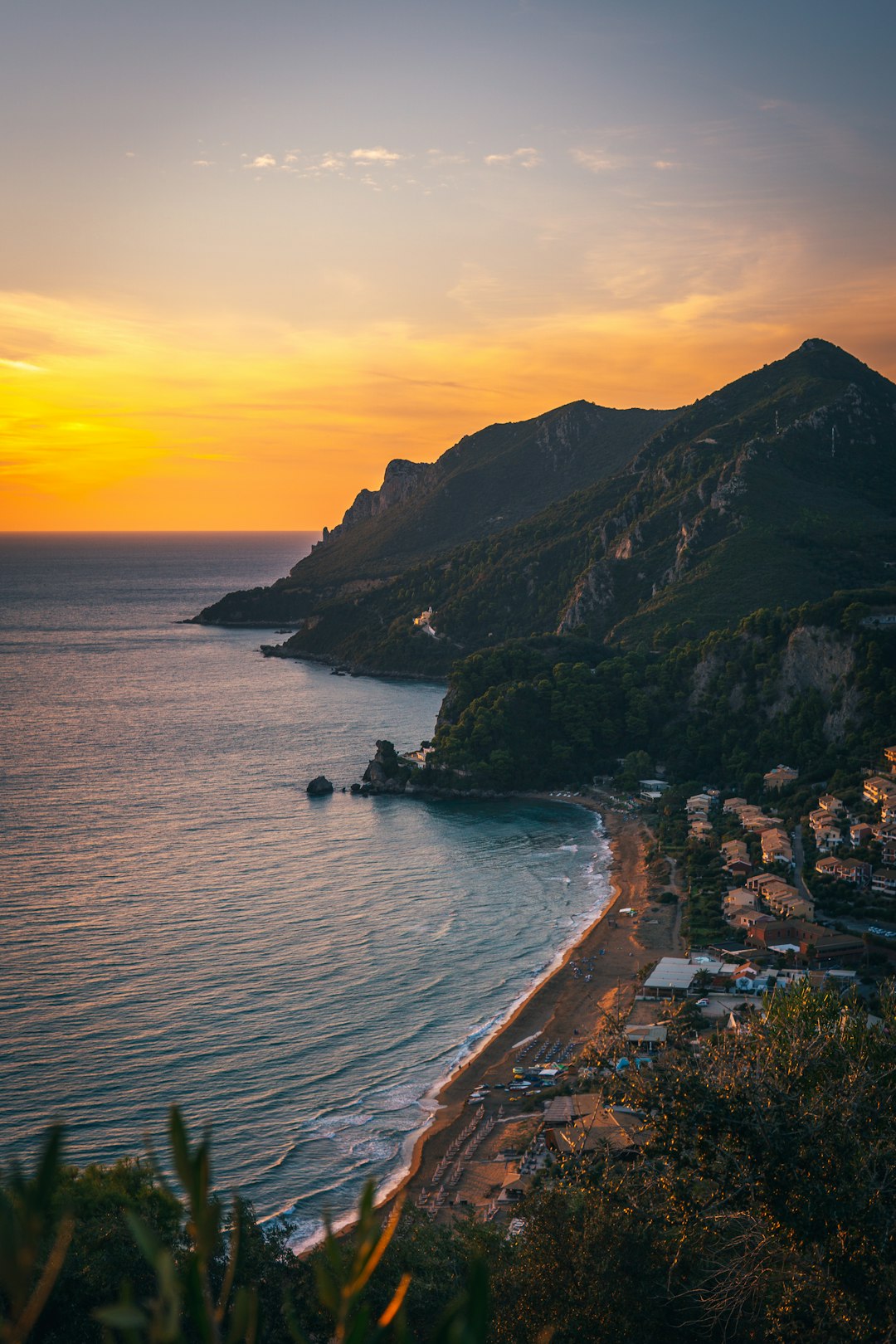
Corfu is greener than most Greek islands (high rainfall) and has a well-developed resort infrastructure on the east coast. Glyfada Beach on the west coast is a long sandy strip with calm water and multiple beach clubs. Sidari in the north is shallower and very family-oriented. Paleokastritsa has clear water in a dramatic cove setting - better for families with older children who swim confidently.
Rhodes: Medieval Town Plus Beaches
Rhodes Old Town is the most accessible UNESCO World Heritage site for children in Greece - the medieval street grid, the Palace of the Grand Master (€6/adult, €3 children as of 2026), and the moat walks hold attention better than most ancient sites. Faliraki Beach has Blue Flag status, organised sunbeds, lifeguards, and watersports - a reliable, safe family beach.
Athens with Kids
Athens needs managing carefully - the heat, traffic, and ancient site walking can be exhausting for younger children in July–August. But outside peak summer it is very manageable.
The Acropolis: Children under 18 enter free (EU residents) or at reduced rates (non-EU). The site is best visited at 8am opening before heat and crowds build. The path up is rocky and uneven - sturdy sandals rather than flip-flops. The New Acropolis Museum (€10/adult, free under 18 as of 2026) has good interactive displays that work well for children aged 8 and up; younger children may find the ground-floor glass floor (looking down into excavations) the most engaging element.
National Garden: Directly behind the Hellenic Parliament on Syntagma Square, the National Garden has a small zoo, a children’s playground, duck pond, and shaded paths. Free entry. Good for 30–60 minutes of decompression between sites.
Hellenic Children’s Museum (Kydathinaion 14, Plaka): A hands-on museum designed specifically for children aged 2–12, with activity rooms focused on everyday life, construction, and creativity. Entry is free; donations welcome. Open Tuesday–Sunday, 10am–2pm (check current hours before visiting). Tucked into a quiet Plaka street - easily combined with a taverna lunch in the neighbourhood.
Getting Around with Kids
Ferries: Book online in advance (hellenic-seaways.gr, athentica.gr, bluestarferries.com) - seats and cabins fill up in July–August. Arrive 30–45 minutes before departure; boarding ramps are wide enough for strollers. The large car ferries (Blue Star) have cafeterias, outdoor decks, and children’s play areas on longer routes. Short hops (under 2 hours) are the easiest introduction.
Car rental: The right call for Crete, Rhodes, and Corfu - larger islands where buses are infrequent to beaches. International chains have child seat options (reserve at booking). For Naxos and Paros, a car for 2–3 days to explore the island beyond the main town is worth it; otherwise taxis and buses cover most needs.
Taxis and buses: KTEL intercity buses operate on all major islands and are cheap (typically €2–4 per trip). Athens has excellent Metro access to most sites; the Acropolis stop is a short uphill walk from the entrance.
Dining with Kids
Greek taverna culture is one of the reasons Greece works so well for families. Evening meals start late by northern European standards (8–9pm) but children are welcome at the table, and Greek family groups typically include grandparents and toddlers in the same party - there is no sense of children being out of place.
What Greek food kids eat: Tyropita (cheese pie in filo pastry), spanakopita (spinach and cheese), grilled chicken, chips (tiganites patates), plain rice, pasta with butter, souvlaki, fresh bread, tzatziki, and keftedes (herbed meatballs) are all widely available and go down well with most children. Grilled fish is on most menus; portions are large and meant for sharing.
Greek yoghurt with honey makes a quick breakfast or snack. Loukoumades (fried dough balls with honey) are sold from street kiosks and make the ideal bribery tool for sites that need walking.
Safety and Health
Sun and heat: The primary risk for families in Greece. Apply factor 50 sunscreen before going outside; reapply after swimming. Keep children out of direct sun between 11am and 3pm in July–August. Carry a water bottle per person and refill regularly - dehydration is fast in 35°C heat.
Pharmacies: A green cross marks pharmacies, which are on every inhabited island and open standard hours (typically 9am–2pm, 5pm–8pm) plus emergency duty rotas for evenings. Children’s paracetamol, antihistamines, and stomach remedies are all stocked. Pharmacists speak enough English to help tourists on most islands.
Hospitals and clinics: Every island with a significant population has a public health centre (kentro ygeias). Crete, Rhodes, Corfu, and Kos have full hospitals. For smaller Cyclades islands, serious medical situations require transfer to Athens or the nearest major island - good travel insurance with medical evacuation cover is essential.
Sea safety: Most family beaches on major islands have lifeguards in July–August. Check flags - red means no swimming. Jellyfish (tsoukntres) are more common in late August and September in the Ionian; pharmacies stock vinegar-based sting relief.
Best Months for Families
June is the best month: water temperatures have reached 24–25°C, beaches are not yet crowded, ferry seats are available, and prices are 20–30% lower than August. School is still in session across most of Europe, giving families who can travel then a significant advantage.
September is almost as good: water is at its warmest (26–27°C), crowds thin after the first week, prices drop sharply, and the light softens. Early September still has summer heat; by mid-September evenings are cooler. The main trade-off is that some smaller beach bars and seasonal restaurants close from mid-September.
July is manageable but busy. August requires advance planning for everything - accommodation, ferries, and restaurant tables in popular spots.
May is suitable for families with older children (water still cool at 20–22°C), but too cold for young children who want to swim. October is off-season for beach holidays but fine for Athens and Crete’s cultural sites.
Family Budget
Per day for a family of four (two adults, two children), excluding flights:
| Category | Budget tier | Mid-range tier |
|---|---|---|
| Accommodation | €60–90 (guesthouse, family room) | €100–160 (hotel, family room or suite) |
| Meals | €40–55 (taverna lunches + dinners, self-catering breakfast) | €60–85 (all restaurant meals) |
| Transport | €10–20 (bus/taxi) | €25–40 (car rental or taxis) |
| Activities & sites | €20–30 | €40–70 |
| Total per day | €130–195 | €225–355 |
A week in Greece for a family of four in June or September typically costs approximately €1,000–1,400 (budget tier) or €1,600–2,500 (mid-range), plus flights. Island hopping adds ferry costs but lets you spread across different experiences.
Children under 5 are free or heavily discounted at most Greek archaeological sites. EU residents under 25 enter most state sites free year-round. Many islands charge nothing to walk the beaches and towns - the core Greece experience costs surprisingly little once you are there.
Book tours and activities across Greece with GetYourGuide. Sort out travel insurance for Greece before you leave. Pick up a Greece eSIM before you fly - keeps you connected without roaming charges.
Related Family Planning Guides
- Best Greek Islands - which islands work best for families
- Crete Island Guide - the top family island with beaches and Knossos
- Naxos Island Guide - calm beaches and a local feel
- Getting Around Greece - ferries, buses, and family logistics
- Greece Budget Travel Guide - realistic family cost planning
- Best Time to Visit Greece - May, June, and September are best for families
Plan Your Trip
✈️ Book your flights to Greece 🛡️ Get travel insurance 📱 Stay connected with an eSIM 🚗 Rent a car