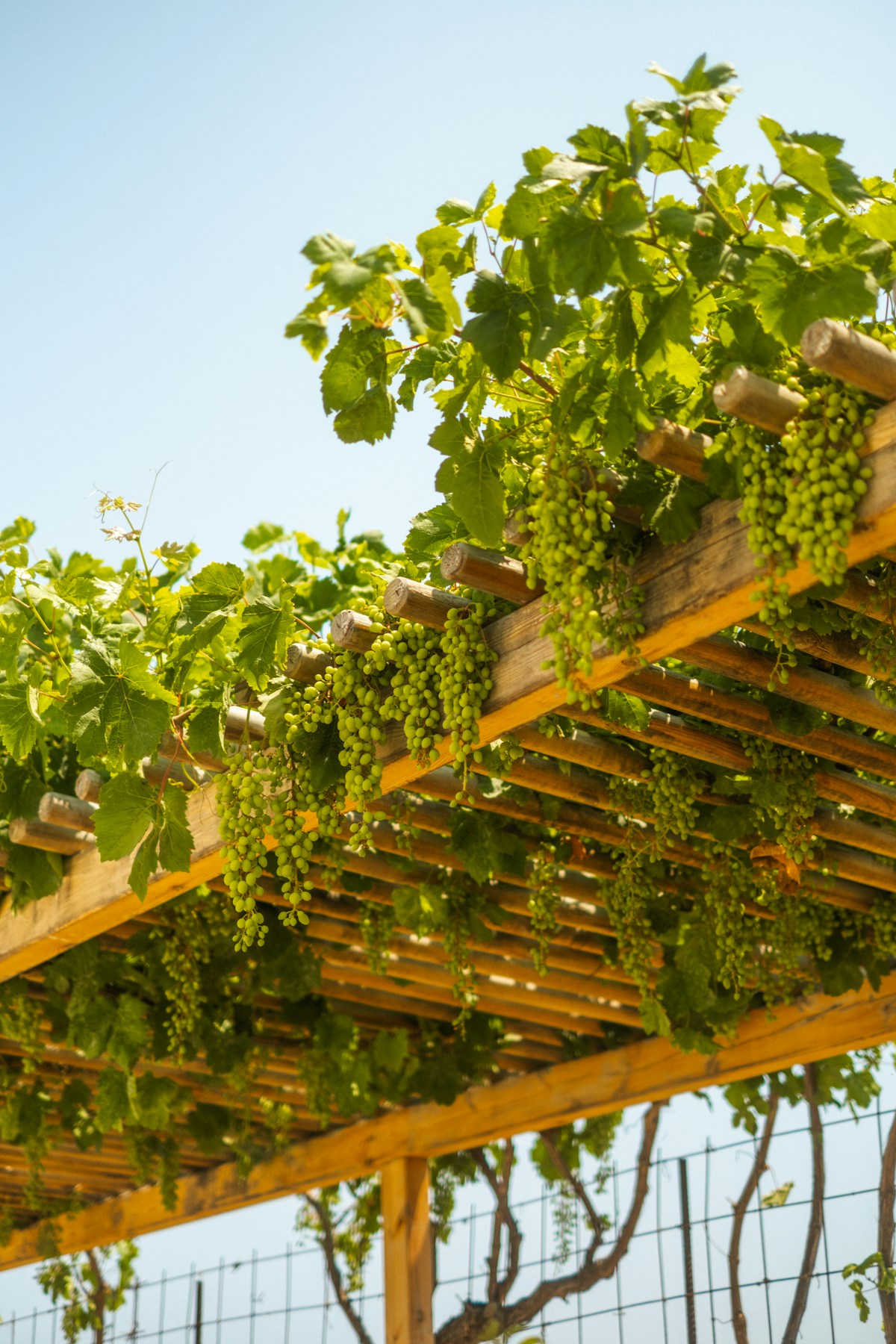
Greece has 300+ indigenous wine varieties, most of which are grown nowhere else in the world. The wine regions have distinct identities shaped by soil, climate, and altitude - volcanic islands, mountainous northern plateaus, and sun-drenched southern valleys each produce completely different wine characters. Here are the four most significant and accessible regions for visitors.
Santorini: Assyrtiko and Volcanic Wines
Santorini’s wine reputation is built on a single variety - Assyrtiko - and a unique growing condition. The vines are trained in a basket shape (kouloura), woven low to the ground to protect the fruit from the fierce Aegean wind (Meltemi). The volcanic pumice soil (aspa) has no phylloxera - the root-attacking louse that devastated European vineyards in the 19th century. Santorini’s vines were never replanted; some are 100+ years old, still ungrafted.
What Assyrtiko tastes like: Dry, high in acidity, with citrus (lime, grapefruit), mineral, and saline notes derived from the volcanic soil. Unoaked styles are fresh and direct; barrel-aged versions develop more complexity. The best bottles age extremely well - 15-year-old Assyrtiko develops honey and toast notes while retaining fresh acidity.
Vinsanto: The island’s famous sweet wine, made from sun-dried Assyrtiko and Aidani grapes. Amber-coloured, intensely sweet but balanced by high acidity. One of the great Mediterranean dessert wines. Must legally be aged at least 2 years in oak.
Where to taste:
Santo Wines (Pyrgos village) is the island’s cooperative winery and most accessible tasting venue. The caldera-view terrace is one of the most spectacular winery settings in Greece. Tasting flights from EUR 15 (4 wines); the Santorini PDO Assyrtiko and the barrel-aged reserve are the essential tastes. Open daily 10:00am–8:00pm in season.
Estate Argyros (Episkopi Gonias, 8 km from Fira) produces some of the most critically acclaimed Santorini wines, including single-vineyard Assyrtiko and aged Vinsanto. Appointment preferred (argyrosestates.gr). Tasting fee approximately EUR 20–25.
Sigalas Estate (near Oia) specialises in barrel-fermented Assyrtiko and a notable Aidani varietal. EUR 15–18 for a tasting. The winery itself is small and unpretentious - the focus is entirely on the wine.
Venetsanos Winery (Megalochori, caldera view) has a good range of Santorini wines in an attractive stone building above the caldera. Tastings from EUR 12–18; open to walk-ins most days.
Getting there: All wineries are accessible by bus from Fira (EUR 2.30–3.50) or by ATV/car rental. A dedicated wine circuit by car or taxi for the day (approximately EUR 80–100 for a private taxi for 4 hours) allows visits to three or four estates. Some operators offer organised Santorini wine tours including transport and tasting fees from EUR 60–80 per person.
Nemea: Agiorgitiko and the “Blood of Hercules”
Nemea, in the northeast Peloponnese (100 km southwest of Athens), is the most important red wine appellation in Greece. The PDO Nemea is made entirely from Agiorgitiko (St George’s grape) - a medium-to-full-bodied red variety with dark fruit, spice, and tannins that can be soft or structured depending on the altitude and winemaking approach.
The name “Blood of Hercules” (Aima tou Herakli) refers to the Nemean Lion killed by Hercules in Greek mythology - the mythological connection runs through local wine marketing and, somewhat improbably, appears on several wine labels.
Altitude matters: Nemea is a valley with significant altitude variation (240–900 metres above sea level). Lower altitude wines (below 400m) tend to be richer and softer; higher altitude wines (above 600m) are more structured and age-worthy. The best estates are in the upper zones.
What Agiorgitiko tastes like: Dark cherry, plum, chocolate notes, with moderate-to-firm tannins depending on vinification. The variety is flexible - it makes everything from light rosé to dense, age-worthy reds. The best PDO Nemea reds can age 10–20 years.
Where to taste:
Skouras Winery (Malandreni, 5 km from ancient Nemea) is one of the region’s most respected estates. The estate Agiorgitiko and their premium “Grande Cuvée” are consistently excellent. Open for tastings Monday–Friday, appointment preferred (skouras-wines.gr). EUR 10–15 per person.
Gaia Wines produces Nemea Agiorgitiko alongside their famous Thalassitis Assyrtiko from Santorini - one winery team, two completely different wine identities. The Nemea facility is in Koutsi village. Visits by appointment (gaia-wines.gr). EUR 15–20.
Ktima Papaioannou (Palaia Nemea) is a historic estate with some of the oldest Agiorgitiko vines in the region. Their Palaia Klimata (old vine) bottling is the flagship. Tastings by appointment; EUR 10–20.
Getting there: Nemea is 100 km from Athens (1.5 hours by car via the A7 motorway) and 35 km from Corinth (45 minutes). No convenient public transport to the wineries - a car or organised tour from Athens or Nafplio is necessary. Nafplio (40 km from Nemea) is an excellent base for combining the Peloponnese wine region with historical sites (Mycenae, 25 km; Epidaurus, 40 km).
Ancient Nemea: The archaeological site and museum at ancient Nemea (EUR 8 as of 2026, open 8:00am–4:00pm) includes the Temple of Nemean Zeus and the original stadium where the Nemean Games were held every 2 years. A good add-on to a winery visit.
Naoussa: Xinomavro and Northern Greece
Naoussa (PDO Naoussa) in Central Macedonia is 75 km west of Thessaloniki - Greece’s most prestigious red wine appellation for Xinomavro. The variety name translates as “acid black” and it’s an accurate descriptor: high acidity, firm tannins, black cherry and tomato character. In structure, it’s frequently compared to Nebbiolo (Barolo/Barbaresco) - not sweet fruit, but complexity that unfolds over years in the bottle.
What Xinomavro tastes like: High acidity, grippy tannins, dark fruit (cherry, olive), and earthy, herbaceous notes. Often with a tomato-skin quality unique to Xinomavro. Young wines can be austere; 8–15 years of ageing transforms them into something more complex and structured. The rosé version (from destemmed Xinomavro) can be surprisingly elegant.
The village of Naoussa: The town is the commercial centre for the appellation - not a tourist destination in itself, but pleasant for a half-day visit with good places to eat and the regional wine cooperative. The surrounding landscape is rolling farmland and vineyard, dramatically different from southern Greece.
Where to taste:
Kir-Yianni Estate (Yianakohori, 5 km from Naoussa) is the most internationally recognised producer from the appellation. Their Ramnista Xinomavro (from old vines in the best subzone) is the flagship; the Dyo Elies and Paranga blends are excellent entry-level wines. Open for tastings daily in season, appointment preferred (kiryianni.gr). EUR 10–20 per person.
Boutari Naoussa - Boutari is one of Greece’s largest wine companies, and their Naoussa operation is the historic home of commercial Xinomavro. The winery offers tastings and cellar visits. Open daily, no appointment necessary (boutari.gr). EUR 8–12.
Thymiopoulos Vineyards (Trilofos) produces some of the most exciting modern-style Xinomavro - lighter, fresher, in contrast to the traditionally tannic style. Their “Young Vines” Xinomavro is the entry point; “Earth and Sky” is the reserve. Appointment preferred; call ahead.
Getting there: Naoussa is 75 km from Thessaloniki (1 hour by car). KTEL buses from Thessaloniki Makedonia station to Naoussa run regularly (EUR 7–10, approximately 1.5 hours), though you’ll need a car or taxi to reach the individual estates. A Naoussa wine tour from Thessaloniki (organised daytrip) covers 2–3 wineries and the village in a full day, from EUR 70–100 per person.
Crete: Ancient Varieties and a Renaissance in Quality
Crete’s wine history goes back 4,000 years - Minoan civilisations exported wine across the ancient Mediterranean. The island has an extraordinary range of indigenous varieties, most of which are barely known outside Greece: Vidiano (white, aromatic, high quality), Dafni (white, herbal), Thrapsathiri (white, light), Liatiko (red, soft), Mandilaria (red, deep colour and tannins), and Kotsifali (red, adds weight to blends).
The main PDO appellations are Peza and Archanes (near Heraklion, central north coast), Dafnes (south-central), and Sitia (far east). Quality improved dramatically from the 1990s onwards as smaller family estates replaced the old cooperative dominance.
What Cretan wine tastes like: The range is wide. Vidiano is the most impressive variety - citrus, tropical fruit, with good acidity; it’s beginning to appear on international lists. Reds from Kotsifali and Liatiko are plummy and approachable. Mandilaria adds structure. The combination wines (Kotsifali + Mandilaria is a classic Cretan blend) are the most food-friendly.
Where to taste:
Lyrarakis Winery (Alagni, 20 km south of Heraklion) is the pioneer of indigenous Cretan revival - their Plyto, Dafni, and Thrapsathiri single-variety whites brought obscure Cretan grapes international attention. Open for tastings and winery visits daily (lyrarakis.gr). EUR 10–15.
Douloufakis Estate (Dafnes PDO zone, 20 km from Heraklion) specialises in Liatiko and Mandilaria reds. Their Dafnios red is a reliable benchmark for Cretan red character. Open Tuesday–Saturday by appointment (douloufakiswinery.gr). EUR 10–15.
Peza Union Cooperative (Peza, 15 km from Heraklion) represents over 2,000 vine-growers and offers an accessible tasting of the appellation’s range. Less boutique than the estate producers but useful for understanding the broad quality spectrum. Open weekdays.
From Heraklion: All the above wineries are within 30 km of Heraklion - accessible by car in 20–35 minutes. No practical public transport. A car or taxi is necessary; several Heraklion-based tour operators offer half-day wine tours (2–3 wineries) from EUR 50–70 per person.
Wine Shopping: What to Bring Home
A bottle of Assyrtiko or Vinsanto from Santorini (EUR 12–50 depending on producer and level) makes an excellent edible souvenir. Xinomavro from Naoussa ages well and is genuinely unusual outside Greece (EUR 10–25). Peza and Archanes reds from Crete are underpriced for their quality (EUR 8–15).
Larger supermarkets in Athens (AB Vassilopoulos, Sklavenitis) stock a reasonable range of Greek PDO wines at lower prices than airport shops. Wine shops near Monastiraki in Athens (Cellier, Fine Wine) stock a curated selection from all regions.
All prices quoted are approximate as of 2026. Wine prices at wineries are usually 10–20% below retail.
Book tours and activities across Greece with GetYourGuide. Compare car hire options in Greece - essential for exploring beyond the main towns. Pick up a Greece eSIM before you fly - keeps you connected without roaming charges.
Related Guides
- Santorini Island Guide - planning a wine-focused visit to Santorini
- Santorini Itinerary - includes winery suggestions in the 3 and 5 day plans
- Thessaloniki Travel Guide - base for visiting Naoussa wine country
- Best Time to Visit Greece - harvest season (September) is ideal for wine tourism
- Greek Food Guide - pairing context for Greek wines
Plan Your Trip
✈️ Book your flights to Greece 🛡️ Get travel insurance 📱 Stay connected with an eSIM 🚗 Rent a car