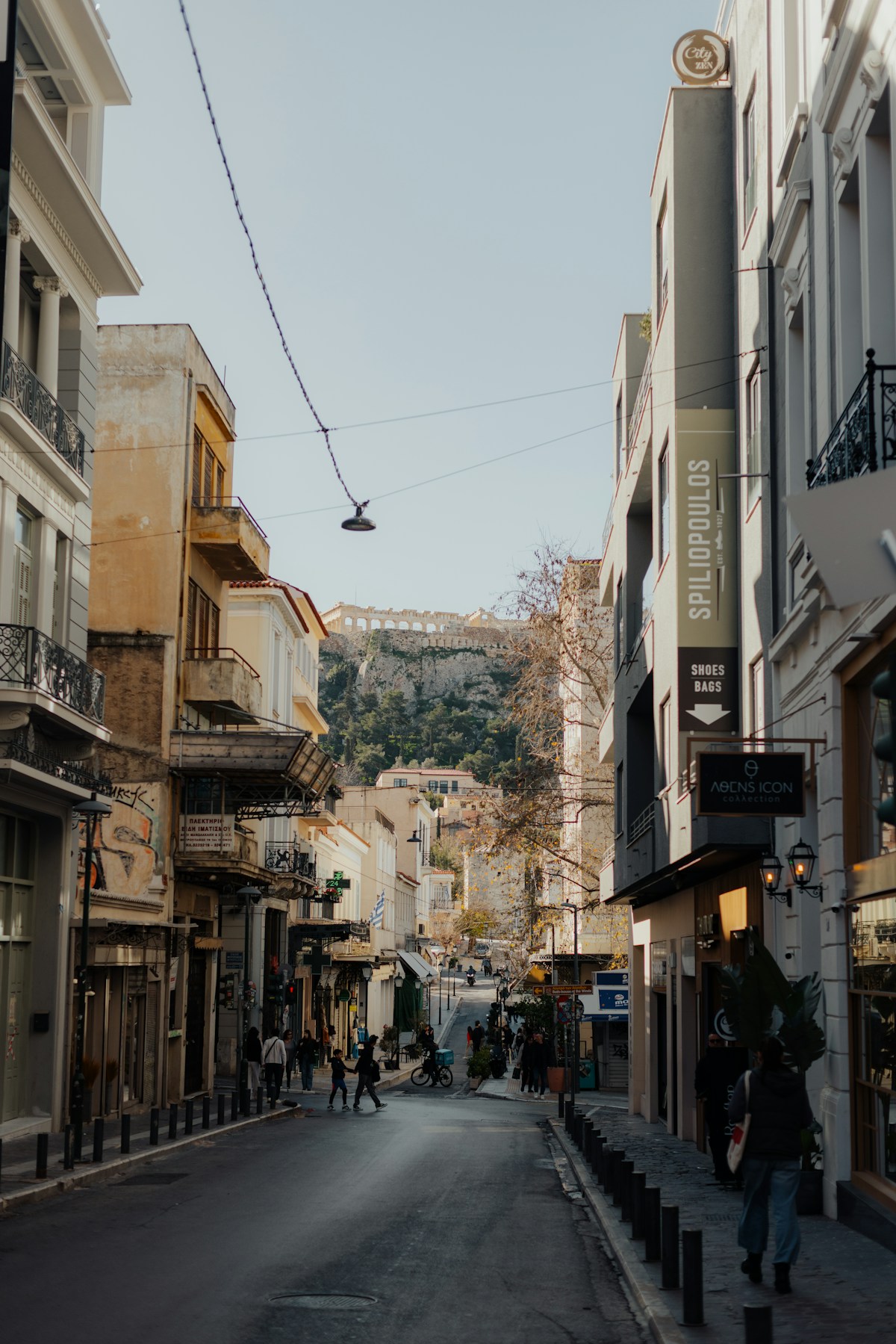
Modern Greek is the sole official language of Greece, spoken natively by around 10.5 million people in the country and by diaspora communities worldwide. The language has an unbroken written history stretching back over 3,000 years, making it one of the oldest documented languages in the world - though Modern Greek differs substantially from Ancient Greek, much as modern Italian differs from Latin.
For travellers, Greek is a rewarding language to dip into. The writing system looks alien at first glance, but the alphabet has only 24 letters, many of them familiar from mathematics and science (alpha, beta, gamma, delta, pi, omega). Pronunciation is far more consistent than English - each letter sounds essentially the same regardless of context, and written words are always stressed on the accented syllable.
The Greek Alphabet: What You Need to Know
You do not need to read Greek to travel comfortably - menus, transport signs, and tourist infrastructure almost always include Latin-script text. But knowing the sounds of a few key letters helps you read maps, follow directions, and occasionally decode a handwritten sign.
| Greek Letter | Name | Sounds Like | Example |
|---|---|---|---|
| Α α | Alpha | ’a’ in “father” | Αθήνα (Athens) |
| Β β | Vita | ’v’ (not ‘b’) | Βούλα (Voula) |
| Γ γ | Gamma | ’y’ before e/i; guttural ‘gh’ elsewhere | Γεια (Ya - hello) |
| Δ δ | Delta | ’th’ in “this” (voiced) | Δεξιά (thek-see-AH - right) |
| Ε ε | Epsilon | ’e’ in “bed” | Εδώ (eh-THOH - here) |
| Θ θ | Theta | ’th’ in “think” (unvoiced) | Θάλασσα (THAH-lah-sah - sea) |
| Λ λ | Lambda | ’l’ | Λιμάνι (lee-MAH-nee - port) |
| Μ μ | Mi | ’m’ | Μουσείο (moo-SEE-oh - museum) |
| Ν ν | Ni | ’n’ | Ναι (NEH - yes) |
| Ξ ξ | Xi | ’ks’ | Ξενοδοχείο (kse-no-tho-KHEE-oh - hotel) |
| Π π | Pi | ’p’ | Παραλία (pah-rah-LEE-ah - beach) |
| Ρ ρ | Ro | rolled ‘r’ | Ρόδος (ROH-thos - Rhodes) |
| Σ σ/ς | Sigma | ’s’ | Σαντορίνη (san-toh-REE-nee) |
| Τ τ | Taf | ’t’ | Τιμή (tee-MEE - price) |
| Φ φ | Fi | ’f’ | Φαγητό (fah-yee-TOH - food) |
| Χ χ | Chi | guttural ‘ch’ (as in “loch”) | Χαλκιδική (khal-kee-thee-KEE) |
| Ψ ψ | Psi | ’ps’ | Ψάρι (PSAH-ree - fish) |
| Ω ω | Omega | ’o’ in “more” | Ωραίο (oh-REH-oh - beautiful) |
Key combinations: μπ = ‘b’ (Μπύρα = beer); ντ = ‘d’ at the start of a word (Ντομάτα = tomato); γκ = hard ‘g’; αι = ‘e’ in “bed”; οι/ει/υι = ‘ee’; αυ = ‘af’ or ‘av’; ευ = ‘ef’ or ‘ev’.
Greetings and Basics
| English | Greek | Pronunciation |
|---|---|---|
| Hello (informal) | Γεια σου | YAH-soo |
| Hello (formal/plural) | Γεια σας | YAH-sas |
| Good morning | Καλημέρα | kah-lee-MEH-rah |
| Good afternoon/evening | Καλησπέρα | kah-lee-SPEH-rah |
| Goodnight | Καληνύχτα | kah-lee-NEEKH-tah |
| Thank you | Ευχαριστώ | ef-kha-ree-STOH |
| Please / You’re welcome | Παρακαλώ | pah-rah-kah-LOH |
| Yes | Ναι | NEH |
| No | Όχι | OH-hee |
| Excuse me / Sorry | Συγνώμη | see-GHNO-mee |
| Goodbye | Αντίο | an-DEE-oh |
| OK / Fine | Εντάξει | en-DAK-see |
| How are you? | Πώς είσαι; | POH-seh EE-seh? |
| Fine, thanks | Καλά, ευχαριστώ | kah-LAH ef-kha-ree-STOH |
| My name is… | Με λένε… | meh LEH-neh… |
| I don’t understand | Δεν καταλαβαίνω | then kah-tah-lah-VEH-noh |
| Do you speak English? | Μιλάτε αγγλικά; | mee-LAH-teh ang-glee-KAH? |
| Slowly, please | Αργά, παρακαλώ | ar-GAH pah-rah-kah-LOH |
Getting Around
| English | Greek | Pronunciation |
|---|---|---|
| Where is…? | Πού είναι…; | POO EE-neh…? |
| How do I get to…? | Πώς πάω στο/στην…? | POH-s PAH-oh stoh/steen…? |
| Left | Αριστερά | ah-ree-steh-RAH |
| Right | Δεξιά | thek-see-AH |
| Straight ahead | Ευθεία | ef-THEE-ah |
| Stop here | Σταματήστε εδώ | stah-mah-TEE-steh eh-THOH |
| Bus stop | Στάση λεωφορείου | STAH-see leh-oh-fo-REE-oo |
| Ferry / Boat | Πλοίο | PLEE-oh |
| Port | Λιμάνι | lee-MAH-nee |
| Airport | Αεροδρόμιο | ah-eh-ro-DROH-mee-oh |
| Taxi | Ταξί | tak-SEE |
| Train | Τρένο | TREH-noh |
| Ticket | Εισιτήριο | ee-see-TEE-ree-oh |
| One-way | Απλό | ah-PLOH |
| Return | Με επιστροφή | meh eh-pee-stro-FEE |
| How much is the fare? | Πόσο κοστίζει; | POH-soh koh-STEE-zee? |
Accommodation
| English | Greek | Pronunciation |
|---|---|---|
| Hotel | Ξενοδοχείο | kse-no-tho-KHEE-oh |
| Do you have a room? | Έχετε δωμάτιο; | EH-khe-teh thoh-MAH-tee-oh? |
| I have a reservation | Έχω κράτηση | EH-khoh KRAH-tee-see |
| How much per night? | Πόσο η βραδιά; | POH-soh ee vrah-THEE-AH? |
| Single room | Μονόκλινο | moh-NOH-klee-noh |
| Double room | Δίκλινο | THEE-klee-noh |
| With sea view | Με θέα στη θάλασσα | meh THEH-ah stee THAH-lah-sah |
| Air conditioning | Κλιματισμός | klee-mah-tees-MOHS |
| Wifi password | Κωδικός wifi | koh-thee-KOHS wee-fee |
| Check out time | Ώρα αναχώρησης | OH-rah ah-nah-KHO-ree-sees |
| Can I leave my bags? | Μπορώ να αφήσω τις βαλίτσες; | boh-ROH nah ah-FEE-soh tees vah-LEET-ses? |
Food and Dining
| English | Greek | Pronunciation |
|---|---|---|
| A table for two, please | Ένα τραπέζι για δύο, παρακαλώ | EH-nah trah-PEH-zee yah THEE-oh pah-rah-kah-LOH |
| The menu, please | Τον κατάλογο, παρακαλώ | ton kah-TAH-lo-ghoh pah-rah-kah-LOH |
| What do you recommend? | Τι προτείνετε; | tee proh-TEE-neh-teh? |
| I’ll have… | Θα πάρω… | thah PAH-roh… |
| Water | Νερό | neh-ROH |
| Still / Sparkling | Φυσικό / Με φυσαλίδες | fee-see-KOH / meh fee-sah-LEE-thes |
| Coffee | Καφές | kah-FES |
| Greek coffee | Ελληνικός καφές | eh-lee-nee-KOHS kah-FES |
| Wine | Κρασί | krah-SEE |
| Beer | Μπύρα | BEE-rah |
| House wine | Χύμα κρασί | KHEE-mah krah-SEE |
| Cheers! | Στην υγειά μας! | steen ee-YAH-mas |
| Delicious | Νόστιμο | NOH-stee-moh |
| The bill, please | Τον λογαριασμό, παρακαλώ | ton lo-ghah-ree-az-MOH pah-rah-kah-LOH |
| Is service included? | Συμπεριλαμβάνεται σέρβις; | seem-peh-ree-lam-VAH-neh-teh SER-vees? |
| Without meat | Χωρίς κρέας | kho-REES KREH-ahs |
| I’m vegetarian | Είμαι χορτοφάγος | EE-meh khor-toh-FAH-ghohs |
| Bread | Ψωμί | psoh-MEE |
| Fish | Ψάρι | PSAH-ree |
Shopping and Bargaining
| English | Greek | Pronunciation |
|---|---|---|
| How much is this? | Πόσο κάνει; | POH-soh KAH-nee? |
| Too expensive | Πολύ ακριβό | po-LEE ah-kree-VOH |
| Do you have a smaller size? | Έχετε μικρότερο νούμερο; | EH-khe-teh mee-KROH-teh-roh NOO-meh-roh? |
| Do you accept cards? | Δέχεστε κάρτα; | THEH-khes-teh KAR-tah? |
| Cash | Μετρητά | meh-tree-TAH |
| Receipt | Απόδειξη | ah-POH-theek-see |
| I’m just looking | Απλώς κοιτάζω | ah-PLOHS kee-TAH-zoh |
| Open | Ανοικτό | ah-neek-TOH |
| Closed | Κλειστό | klee-STOH |
Emergency Phrases
| English | Greek | Pronunciation |
|---|---|---|
| Help! | Βοήθεια! | vo-EE-thee-ah! |
| Call the police | Καλέστε την αστυνομία | kah-LEH-steh teen ah-stee-no-MEE-ah |
| Call an ambulance | Καλέστε ασθενοφόρο | kah-LEH-steh as-the-no-FOH-roh |
| I need a doctor | Χρειάζομαι γιατρό | khree-AH-zo-meh yah-TROH |
| Hospital | Νοσοκομείο | no-so-ko-MEE-oh |
| Pharmacy | Φαρμακείο | far-mah-KEE-oh |
| I am lost | Έχω χαθεί | EH-khoh kha-THEE |
| I’ve been robbed | Με έκλεψαν | meh EH-klep-san |
| I’m allergic to… | Είμαι αλλεργικός/ή σε… | EE-meh ah-ler-yee-KOHS/KEE seh… |
| It hurts here | Πονάει εδώ | poh-NAH-ee eh-THOH |
Emergency numbers: Police 100 · Ambulance 166 · Fire 199 · Tourist police 1571 (operates in high-season tourist areas and has English-speaking staff)
Numbers
| Number | Greek | Pronunciation |
|---|---|---|
| 0 | Μηδέν | mee-THEN |
| 1 | Ένα | EH-nah |
| 2 | Δύο | THEE-oh |
| 3 | Τρία | TREE-ah |
| 4 | Τέσσερα | TEH-seh-rah |
| 5 | Πέντε | PEN-deh |
| 6 | Έξι | EK-see |
| 7 | Εφτά | ef-TAH |
| 8 | Οκτώ | ok-TOH |
| 9 | Εννιά | eh-nee-AH |
| 10 | Δέκα | THEH-kah |
| 20 | Είκοσι | EE-koh-see |
| 50 | Πενήντα | peh-NEEN-dah |
| 100 | Εκατό | eh-kah-TOH |
| 200 | Διακόσια | thee-ah-KOH-see-ah |
| 1,000 | Χίλια | KHEE-lee-ah |
How Widely Is English Spoken?
The short answer: well enough in tourist Greece, patchy in rural Greece.
Athens and larger cities: Hotel receptionists, restaurant staff, shop assistants, and most people under 40 speak at least workable English. Signage at metro stations, the airport, and major archaeological sites is bilingual. You can navigate the entire capital without Greek.
Popular islands (Santorini, Mykonos, Corfu, Rhodes, Crete’s resort areas): English is close to universal in the hospitality industry during high season. Many staff have worked abroad and speak fluently.
Smaller islands and mountain villages: English drops off significantly once you move away from the main port or village square. A taverna owner in a mountain village in Epirus or on a minor Dodecanese island may speak little or no English. Here, even broken Greek is met with genuine warmth and practical effort to help.
Practical rule of thumb: In any place that welcomes tourists for a living, English works fine. In any place that primarily serves Greeks - a neighbourhood bakery, a petrol station on a mountain road, a municipal office - a few words of Greek are genuinely useful and consistently appreciated.
Etiquette and Cultural Tips
Greet before you ask. Greeks always exchange pleasantries before getting to business. Walking into a shop and asking “Do you have…?” without first saying “Kalimera” (good morning) or “Kalispera” (good evening) reads as blunt, not efficient. Two seconds of greeting changes the entire register of the interaction.
Filoxenia is real. The Greek concept of filoxenia - literally “love of strangers” - is not a marketing phrase. Hospitality is taken seriously, and a genuine attempt at Greek, however broken, is understood as a sign of respect. Taverna owners on smaller islands have been known to offer complimentary dessert or a glass of raki to guests who greet them in Greek.
“Opa!” is not a tourist invention. The exclamation is genuinely used at celebrations, during spontaneous moments of joy, and occasionally when a plate is dropped. Join in freely.
Head nodding is reversed. Greeks tip their head slightly backward for “no” and nod slightly forward (or tilt side to side) for “yes” - the opposite of the emphatic head-shake many visitors expect. This causes brief confusion but rarely lasting misunderstanding.
Αγγλικά (English) is usually the first offer. If you attempt Greek and the person speaks English, they will almost certainly switch to make the exchange easier - do not take this as a rebuff. Continue thanking them in Greek (Efharisto) and they will appreciate the effort regardless.
Orthodox church protocol. When visiting monasteries and churches - and Greece has thousands of beautiful ones - a quiet “Kalimera” or “Kalispera” to the priest or monk on duty is appropriate. Dress modestly (shoulders and knees covered), and speak in lowered voices.
Volume and conversation. Greeks converse at volume and with animation; what sounds like an argument to Northern European ears is often an enthusiastic discussion about football or the price of tomatoes. Match the energy if you like, or simply know it is not directed at you.
Book tours and activities across Greece with GetYourGuide. Pick up a Greece eSIM before you fly - keeps you connected without roaming charges.
Related Practical Guides
- Greece Travel Tips - cultural customs, tipping, and practical advice
- Greek Food Guide - learning what’s on the menu
- Athens Travel Guide - where most visitors get their first taste of Greek language and culture
- Greece Budget Travel Guide - saving money at tavernas and markets
Plan Your Trip
✈️ Book your flights to Greece 🛡️ Get travel insurance 📱 Stay connected with an eSIM 🚗 Rent a car