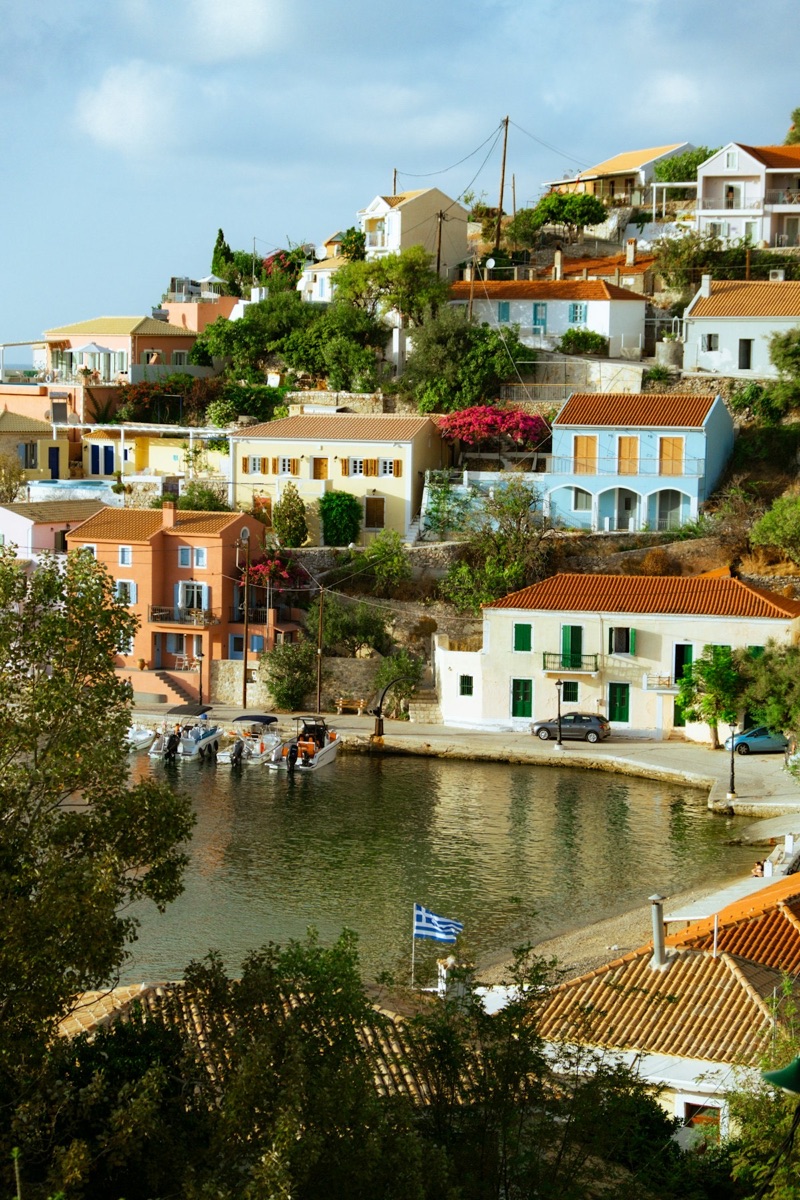
Greece is on course for one of its strongest tourism years on record. Official data released this week shows 13.49 million international arrivals in the first half of 2026, a 15.4% increase on the same period in 2025. The Greek Tourism Organisation has revised its full-year forecast to 40 million arrivals - a figure that would represent a significant milestone for one of Europe’s most visited countries.
Autumn Is Now the New Peak
Perhaps the more significant story is what the data says about when people are choosing to travel. Last-minute bookings for September and October have risen sharply compared to previous years, with tour operators reporting occupancy rates in late September approaching levels previously seen only in July and August.
Santorini and Crete are the two islands driving the most booking activity in September, but mainland destinations are also seeing extended seasons. The Peloponnese, Thessaloniki, and northern Greece - including Meteora - are attracting travellers who want more comfortable temperatures and fewer crowds than peak July brings.
The practical case for autumn travel is compelling: average high temperatures in Athens sit at 28°C in September and 22°C in October, the Aegean is still warm enough for swimming through much of October, and airfares typically run 25–40% lower than August rates. Museum queues at major sites like the Acropolis are noticeably shorter after the first week of September.
What’s Behind the Growth
The 2026 figures reflect several intersecting factors. Greece’s ongoing infrastructure investment is one - a €950 million expansion at Athens International Airport and continued rollout of the Thessaloniki Metro have made the country more accessible. The EES biometric border checks being phased in across the Schengen Area have created added friction at some neighbouring borders, but Greece’s strong e-gate network has helped manage queues efficiently.
New direct air routes have opened demand from underserved European cities: Aegean Airlines launched Athens–Rotterdam in June and Thessaloniki–Cairo in July, adding to a network that already connects dozens of European cities to Greek airports through the summer schedule.
The broader competitive picture also helps. Parts of the Eastern Mediterranean that compete for the same European source markets have faced demand disruption in 2026. Greece’s reputation for reliable infrastructure, familiar cuisine, and short flight times from Northern Europe makes it a low-risk choice when travellers recalibrate.
Planning Your Trip
The autumn window - late September through early November - remains genuinely underrated. If you’re planning a first visit and want a combination of good weather, accessible sites, and reasonable costs, this is the period we’d recommend over summer. Ferries run on a reduced but still serviceable schedule through late October.
Check our best time to visit Greece guide for the full seasonal breakdown, including which islands maintain ferry connections latest into autumn and what’s open versus closed after October 1. For tours in Greece during the autumn shoulder season, availability is generally better than summer and prices are lower - a good time to book experiences that sell out in July and August.