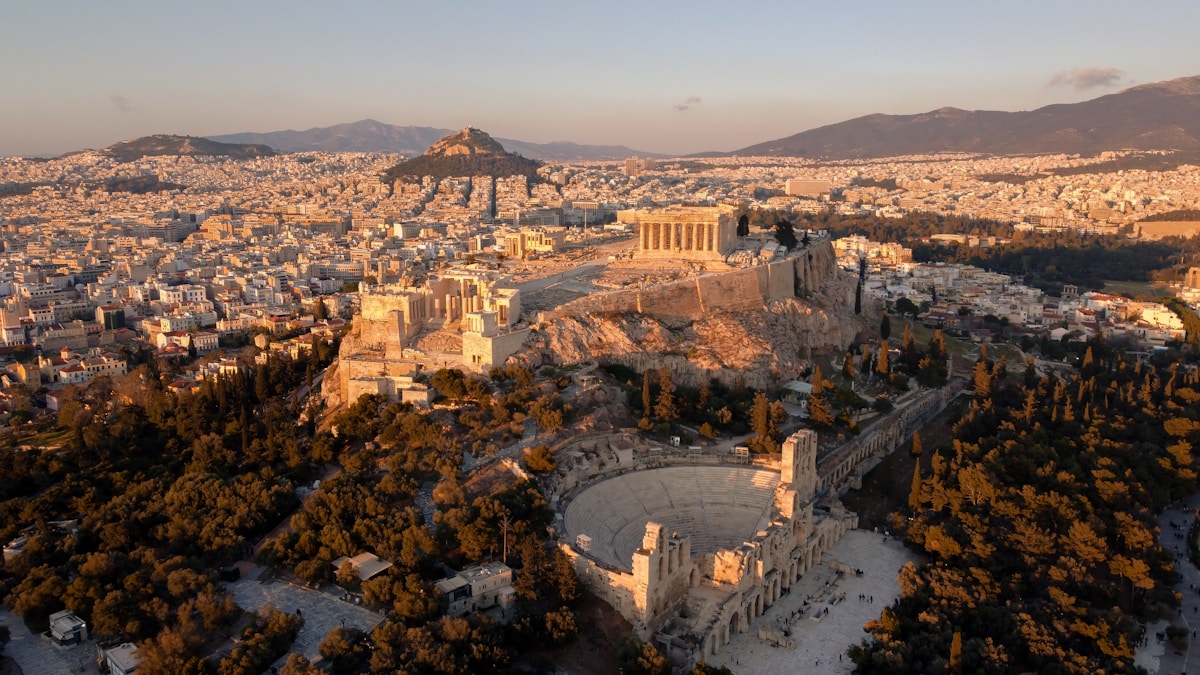
Athens is entering its peak cultural season. The Athens Epidaurus Festival is running now through the summer, bringing world-class theatre and classical performances to two of the most spectacular open-air venues on earth - the Odeon of Herodes Atticus on the south slope of the Acropolis, and the ancient Theatre of Epidaurus in the Peloponnese.
Performances range from ancient Greek tragedy to contemporary dance and international orchestras. The Odeon of Herodes Atticus seats around 5,000 and the acoustics are extraordinary. The Ancient Theatre of Epidaurus - a UNESCO World Heritage Site built in the 4th century BC and celebrated for its near-perfect acoustics - hosts mainly classical Greek drama, with productions of Sophocles, Euripides, and Aristophanes by both Greek national companies and visiting international ensembles.
Tickets are sold through the official festival website (greekfestival.gr) and at the box office in central Athens. Major productions, particularly the Epidaurus performances in July, sell out well in advance. Student and reduced-price tickets are available for some performances. Book as soon as your travel dates are fixed.
The ancient theatre at Epidaurus is roughly 150 km southwest of Athens, near the town of Nafplio. For performance nights, organised coach transfers from Athens typically depart in the late afternoon and return after midnight. On non-performance days, Epidaurus makes an excellent day trip from Athens combined with the ruins at Mycenae and a stop in Nafplio.
Miaoulia Festival in Hydra
The last weekend of June also hosts the Miaoulia Festival on the island of Hydra, honouring Admiral Andreas Miaoulis with a spectacular sea re-enactment and fireworks over the harbour. It is one of the most visually dramatic annual events in the Greek islands and makes for an excellent day trip or overnight from Athens.
Wildfire risk: what every visitor needs to know
Greece’s wildfire season runs from June through September, and 2026 is no exception. Fires develop quickly in hot, dry, windy conditions that are typical of Greek summers. The risk is concentrated on islands and in forested mainland areas, not in major city centres. Athens, Thessaloniki, and the main island port towns are generally not in fire-prone zones.
The advice for travellers is straightforward: monitor local news and the Copernicus Emergency Management Service (CEMS) fire alerts, particularly if you are staying in rural or forested areas. Follow all local authority instructions immediately if a fire alert is issued in your area. Hotels and accommodation providers in at-risk zones are required to have evacuation procedures in place.
Summer travel in Greece
Despite the fire risk - which is manageable with awareness - June is an excellent month to visit. Temperatures are warm rather than scorching (25–30°C), crowds are lighter than in July and August, and prices are generally lower. Our city guides cover Athens and beyond, and Thessaloniki makes a rewarding addition to any itinerary for travellers who want to see Greece beyond the islands.