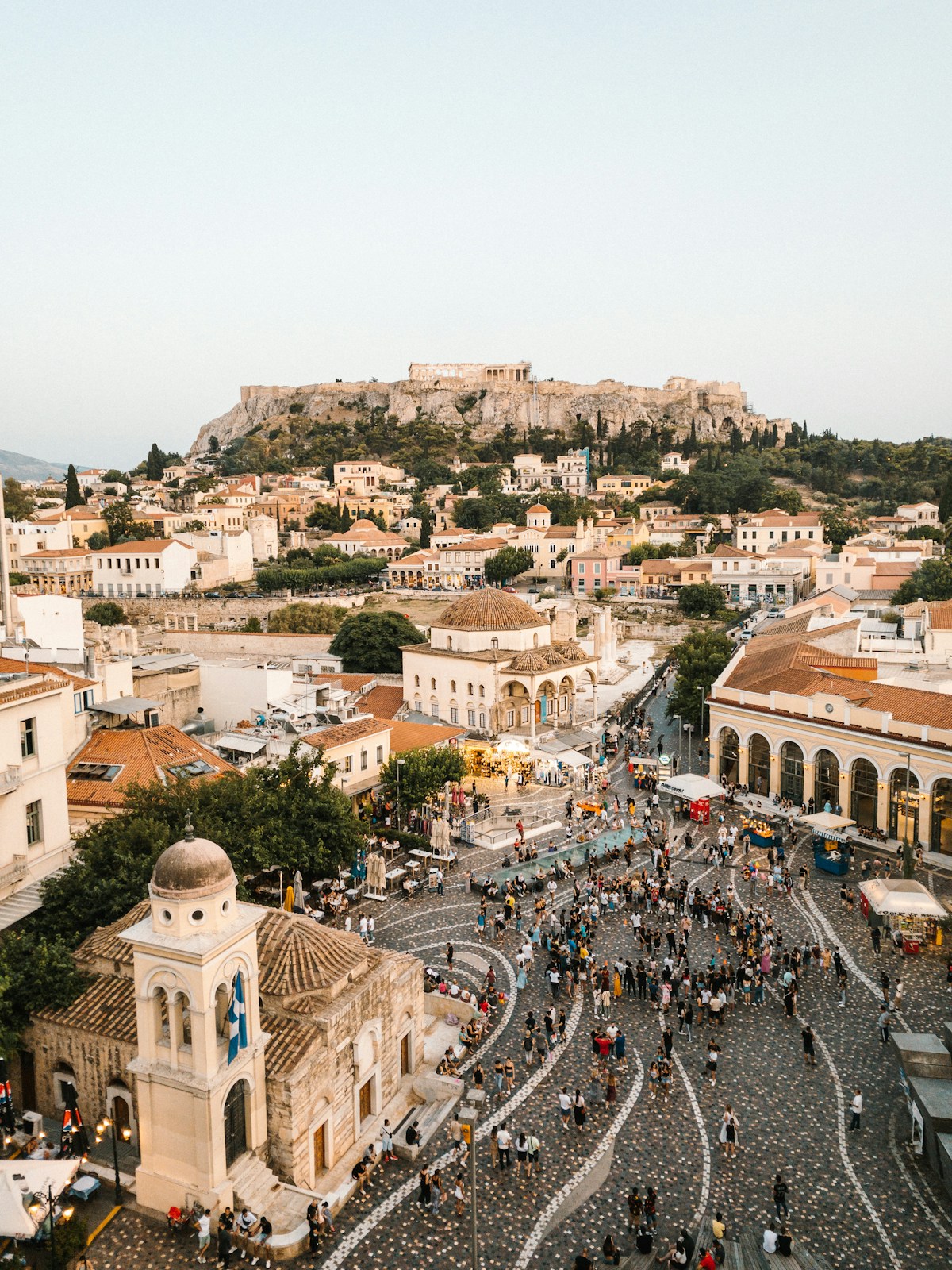
Greece’s Ministry of Tourism has published a new Tourism Spatial Framework (TSF) that classifies the country’s destinations into five categories and introduces stricter planning rules for hotel construction in high-visitor areas. The framework was announced in early August 2026 and is designed to manage the infrastructure pressure created by record visitor numbers - Greece attracted over 35 million tourists in 2025.
The Five-Zone Classification
The TSF divides Greek destinations into:
- High-saturation zones - areas where infrastructure is already under strain from visitor numbers, including parts of Santorini, Mykonos, Rhodes Old Town, and central Athens. New hotel projects here face the strictest controls.
- Controlled growth zones - popular but not yet saturated areas where construction is permitted with tighter environmental and size conditions.
- Development zones - less-visited areas where investment is actively encouraged.
- Protected natural zones - areas where tourism development is tightly restricted for environmental reasons.
- Specialised tourism zones - areas designated for niche segments such as agrotourism, wellness, or heritage.
The Construction Rules
In high-saturation zones, new hotel construction will require a minimum plot size of 16,000 square metres and must be classified as four-star or five-star properties. Budget and mid-range hotel construction will be restricted in these areas. The rules are aimed at limiting the density of accommodation in already-crowded island and urban locations without banning development outright.
The framework does not directly cap the number of visitors to any destination - that is handled by separate instruments such as cruise ship caps (already in place at Santorini) and daily site limits at specific archaeological locations.
What It Means for Travellers
For tourists planning ahead, the TSF is unlikely to change the experience at popular destinations in the short term. Its effects will be felt over the next five to ten years through a slowing of new accommodation supply in overcrowded areas - which, in practice, may mean higher prices and tighter availability at popular resorts as demand continues to grow while new supply is constrained.
For visitors considering less-visited parts of Greece, the framework’s development zones are worth noting - local authorities in those areas are likely to increase investment in tourism infrastructure, potentially improving access to currently underexplored regions.
Our best Greek islands guide compares popular and quieter island options. The Greece travel tips page covers practical advice on booking, transport, and managing crowds during peak season. The Athens city guide covers the capital’s main sites and how to avoid the heaviest tourist density around the Acropolis. For tours in Greece, smaller group options in less-visited regions offer a meaningful alternative to the overtourism hotspots identified in the new framework.