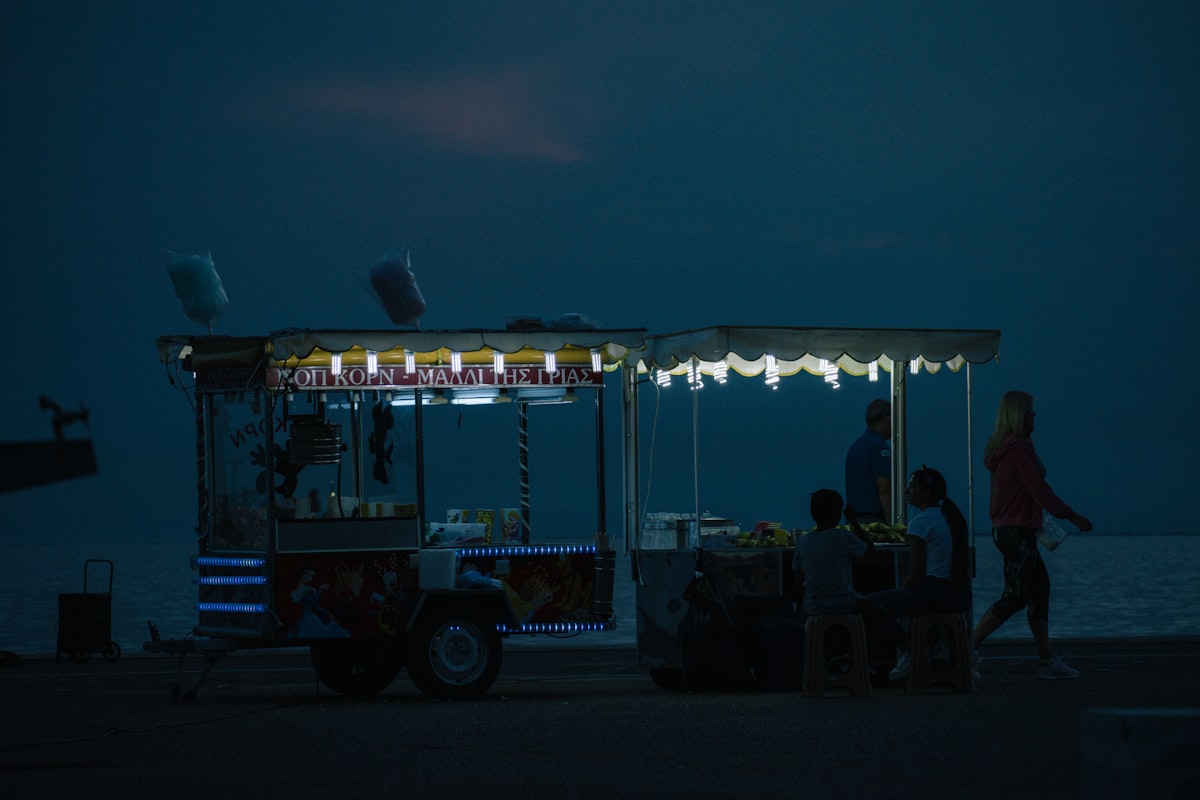
Knowing where Thessaloniki eats matters as much as knowing what it eats. The city’s dining life is organised by district: Ladadika fills late at night with meze and wine; the Modiano and Kapani markets are for morning shopping and midday meals; Ano Poli’s hilltop tavernas serve local regulars away from the main tourist flow; the Bit Bazaar ouzeries are for afternoon ouzo and small plates. Each neighbourhood has its own price point, its own social rhythm, and its own hours.
The food itself reflects six centuries of layered occupation - Byzantine trading city, Ottoman administration (1430–1912), Sephardic Jewish community settled here since 1492, and the 1922 Asia Minor refugee influx from Smyrna, Constantinople, and the Black Sea coast. You taste that history most directly in dishes that don’t exist in Athens: Smyrnaean mussel pilaf, pastourma-and-egg ouzeri plates, trigona cream pastries from a specific hilltop suburb. This guide maps the neighbourhoods first, then the dishes to find in each.
Breakfast and Morning Culture
Thessaloniki takes its mornings seriously. The city has a distinct breakfast culture built around a few specific foods.
Bougatsa: The defining Thessaloniki breakfast. Filo pastry filled with semolina custard (vanilla-flavoured), cut into slabs and served warm, dusted with powdered sugar and cinnamon. The cheese version (filled with white cheese, sometimes salted, sometimes not) is also excellent. The meat version (minced meat and spices) is more of a lunch item. Specialist bougatsa shops on Egnatia Street open from 5:30am and are the place to try it. The Thessaloniki version is considered the definitive form - bougatsa exists elsewhere in Greece but the preparation here (particularly the custard density and the filo thickness) is specific to the city.
Koulouri: Sesame-crusted bread rings sold from wooden carts throughout the city. The Thessaloniki koulouri is thicker and chewier than the Athenian version and is a genuine point of local pride. Cost EUR 0.40–0.80. Available on virtually every street corner from 7:00am.
Coffee culture: Thessaloniki is a serious café city with a distinct café culture. The Aristotelous Square terraces are the grand institutional format - wide outdoor seating, café au lait, morning newspapers. The streets around Navarinou Square and the Tsimiski pedestrian area have a younger independent coffee scene with specialty espresso and filtered options. The distinction matters: Aristotelous is for the occasion; the side streets are for the coffee itself.
Ladadika: The Historic District for Evening Meze
Ladadika (the “oil merchants” district, named for the olive oil warehouses that once dominated it) is a compact quarter of neoclassical 19th-century buildings near the port - now the most concentrated dining area in Thessaloniki. The bars and restaurants here are busiest from 9:00pm to midnight.
The food in Ladadika is primarily meze in format - multiple small dishes ordered together, eaten slowly with drinks. This is the standard social format for an evening out in Thessaloniki. A typical meze order for two involves two dips (tarama or taramosalata, tzatziki), two or three vegetable preparations, a grilled meat or fish plate, and bread. Order gradually rather than all at once; the social rhythm is one of repeated rounds rather than a fixed meal structure.
The neighbourhood’s restaurant menus reflect the city’s Asia Minor heritage most directly. Mussel pilaf (midia pilafi), the Smyrnean meatball (with tomato and spice rather than the pan-Hellenic version), and anchovy-stuffed bread are specific to this cuisine tradition and appear on menus in ways they do not in Athens or most other Greek cities. For specific restaurant picks in Ladadika with prices and hours, see our best restaurants in Thessaloniki guide.
What to Order in Ladadika
The meze sequence at a good Ladadika restaurant follows a predictable pattern worth knowing before you sit down:
Start with dips: Ask specifically for taramosalata (the Thessaloniki version is pink and fairly mild, made from salted carp roe - lighter than the denser grey versions found in Athens), tzatziki, and gigantes plaki (butter beans slow-baked in tomato sauce with herbs). These arrive quickly and tell you a lot about the kitchen’s care level. Approximately €4–6 per plate.
Move to seafood: The Thermaikos Gulf mussels are the dish to order. Midia tiganita (fried mussels with lemon and garlic dip, approximately €7–9 per portion) is the better Thessaloniki preparation over steamed - the light batter and the aioli work with the briny mussels from the local farms. Marithes (fried whitebait, approximately €6–8) and garides saganaki (prawns in tomato and feta sauce, approximately €12–16) are reliable follow-ups at most Ladadika spots.
For meat: Souzoukakia Smyrnaean - spiced oval meatballs in a rich tomato sauce - is the city’s signature contribution to Greek cuisine, a direct inheritance from the Smyrna refugee community who settled Thessaloniki after 1922. Every traditional Ladadika menu carries it, and it should be on your table. Approximately €9–12.
Finish with halva: The shop-bought sesame-paste version served in wedges with a drizzle of thyme honey is the standard Thessaloniki restaurant dessert - simple, regional, and often excellent. Ask for it if you do not see it listed.
A full meze meal for two at a mid-range Ladadika restaurant - dips, seafood, one meat dish, house wine, dessert - runs approximately €45–65. Order in rounds rather than all at once; the social format is repeated small plates over 2–3 hours.
Bit Bazaar and Navarinou Square Area
Bit Bazaar, the old market quarter near Navarinou Square and Aristotelous Street, is a cluster of small bars, ouzeries, and meze spots. The area has a more eclectic, younger clientele than Ladadika and is where the ouzo-and-meze format is still practised in its most traditional form.
An ouzeri serves ouzo (anise-flavoured spirit, typically diluted with cold water until it turns cloudy, a process called louching) accompanied by small plates: olives, raw vegetables, fried whitebait, a small saganaki, some tarama. The point is not the meal but the ritual - slow, social, accompanied by conversation. This is a distinctly northern Greek format; Athenians tend toward wine rather than ouzo as the meze accompaniment.
The Bit Bazaar area also has some of the best natural wine bars in the city, with a particular focus on northern Greek appellations: Xinomavro from Naoussa, Amyndeon rosé (the only rosé PDO appellation in Greece), and various Macedonian producers whose wines rarely reach Athens let alone export markets. If you are interested in Greek wine, this neighbourhood is the place to explore it.
Waterfront and the Upper Town
Thessaloniki waterfront (Nikis Avenue): The 4 km promenade from the port to the White Tower and beyond is lined with cafés and cocktail bars, not restaurants. The food quality on the waterfront itself is mediocre; use it for coffee and views, not for serious eating. The structural exception is the fish tavernas to the east of the White Tower, past the concert hall - these serve a local clientele and the format is straightforward: fresh fish sold by the kilo, grilled simply with olive oil and lemon. This is how Greeks eat fish; no elaborate preparations, no sauces.
Ano Poli (Upper Town): The old Byzantine quarter on the hill above the city, with wooden Ottoman houses and a more traditional character. The tavernas up here serve Macedonian-specific dishes that don’t travel well to the tourist-facing restaurants in the centre: spetsofai (a sausage and pepper stew from central Greece that has become a northern Greek staple), bean dishes slow-cooked in tomato, grilled meats with winter greens. The food represents the cooking that persists in family kitchens - straightforward, seasonal, inexpensive. The walk up to Ano Poli is worth combining with a meal; the terrace views over the lower city are the best free perspective on Thessaloniki’s geography.
The Markets
Kapani Market (Egnatia/Aristotelous area): Thessaloniki’s oldest covered market - spice stalls, fresh fish vendors, cheese sellers, and a particularly good selection of northern Greek specialties including Florina peppers (roasted red peppers in brine), Thessaloniki-style taramosalata, and local cured meats. Open weekdays 7:00am–3:00pm, Saturday mornings.
Modiano Market (between Komninon and Ermou Streets): A grand 1920s covered market hall designed by Eli Modiano (a Sephardic Jewish architect) - now partly renovated as a food hall with artisan producers, coffee shops, and small restaurants. The original fish stalls at the back still operate. Worth a walk-through even just for the architecture.
The markets are best visited on a weekday morning (9:00am–1:00pm) when they’re fully operational and the produce is freshest.
Regional Dishes to Seek Out
Mussels in Thessaloniki: The Thermaikos Gulf around Thessaloniki is a mussel-farming area; the local mussels are excellent. Look for midia tiganita (fried mussels, typically served with garlic dip, EUR 6–8 per portion) and midia pilafi (mussels with rice, a Smyrnan dish). Available at most Ladadika meze restaurants and at dedicated mussel stalls along the waterfront.
Trigona Panoramatos: Cream-filled pastry triangles, invented in a Thessaloniki suburb (Panorama, 10 km east of the city). The original and most famous shop is Trigona Elenidis (Kodra 12, Panorama) - the triangles are filled with fresh cream to order. A 30-minute drive from the centre; worth it if you want the authentic version. Many central cake shops (zacharoplasteia) now make their own versions, quality varies.
Pastourma and Soujouk: Cured meats with a clear Ottoman lineage - pastourma (cured beef with fenugreek coating) and soujouk (spiced dried sausage). Both appear in egg dishes and meze at traditional ouzeries. The Kapani market has the best quality if you want to buy some.
Take a Guided Food Tour of Thessaloniki
Thessaloniki’s food culture rewards guided exploration more than most Greek cities because the geography of where to eat is complex: Modiano and Kapani markets are active in the morning and lunchtime but quiet by evening; Ladadika runs on dinner and late-night time; the best bougatsa shops are pre-dawn operations; and the city’s Jewish, Ottoman, and Asia Minor refugee food heritage is embedded in specific dishes and specific neighbourhoods that a map doesn’t explain. A guided food walk of Thessaloniki typically covers the morning market circuit, a mid-morning bougatsa stop, a Ladadika mezedes tasting, and the city’s defining distinction from Athens: the food here is more northern, more Ottoman-inflected, more centred on specific regional dishes than the more tourist-generalised taverna culture of the south.
Browse Thessaloniki food tours and market walks → GetYourGuide
Practical Notes
Dinner timing: Arrive at meze restaurants at 9:00pm or later for the local dining experience. Restaurants that fill up by 8:00pm are catering to tourists or visitors with children.
Meze format: Order several small dishes for the table rather than individual mains. A standard order for two: two dips (tarama, tzatziki), two vegetable dishes, two meat or fish plates, bread. Total EUR 35–50 for two with wine.
Local wine: Northern Greek wines are underrepresented in Thessaloniki restaurants despite being produced on the city’s doorstep. Ask specifically for Xinomavro (from Naoussa, 75 km west) and Amyndeon rosé by the glass - these are the most distinctive regional options. Most meze places serve house wine from a carafe (EUR 5–8) which is usually a decent vin de table.
Breakfast: The bougatsa shops on Egnatia are open from 5:30–6:00am and are worth a very early morning visit before they run out of the freshest batches.
All prices are approximate as of 2026.
Book Thessaloniki tours and excursions with GetYourGuide. Find hotels in Thessaloniki on Booking.com. Pick up a Greece eSIM before you fly - keeps you connected without roaming charges.
See Also
- Thessaloniki Travel Guide - city overview with where to stay, sights, and transport
- Things to Do in Thessaloniki - White Tower, Byzantine churches, and waterfront walks
- Best Restaurants in Thessaloniki - specific restaurant picks by neighbourhood and budget
- Greek Food Guide - understanding Thessaloniki’s place in Greek culinary tradition
- Best Tours in Thessaloniki - food tours, market walks, and Byzantine heritage tours
- Athens Restaurants Guide - comparing Athens and Thessaloniki food scenes
- Halkidiki Travel Guide - the beach destination 75km south of Thessaloniki