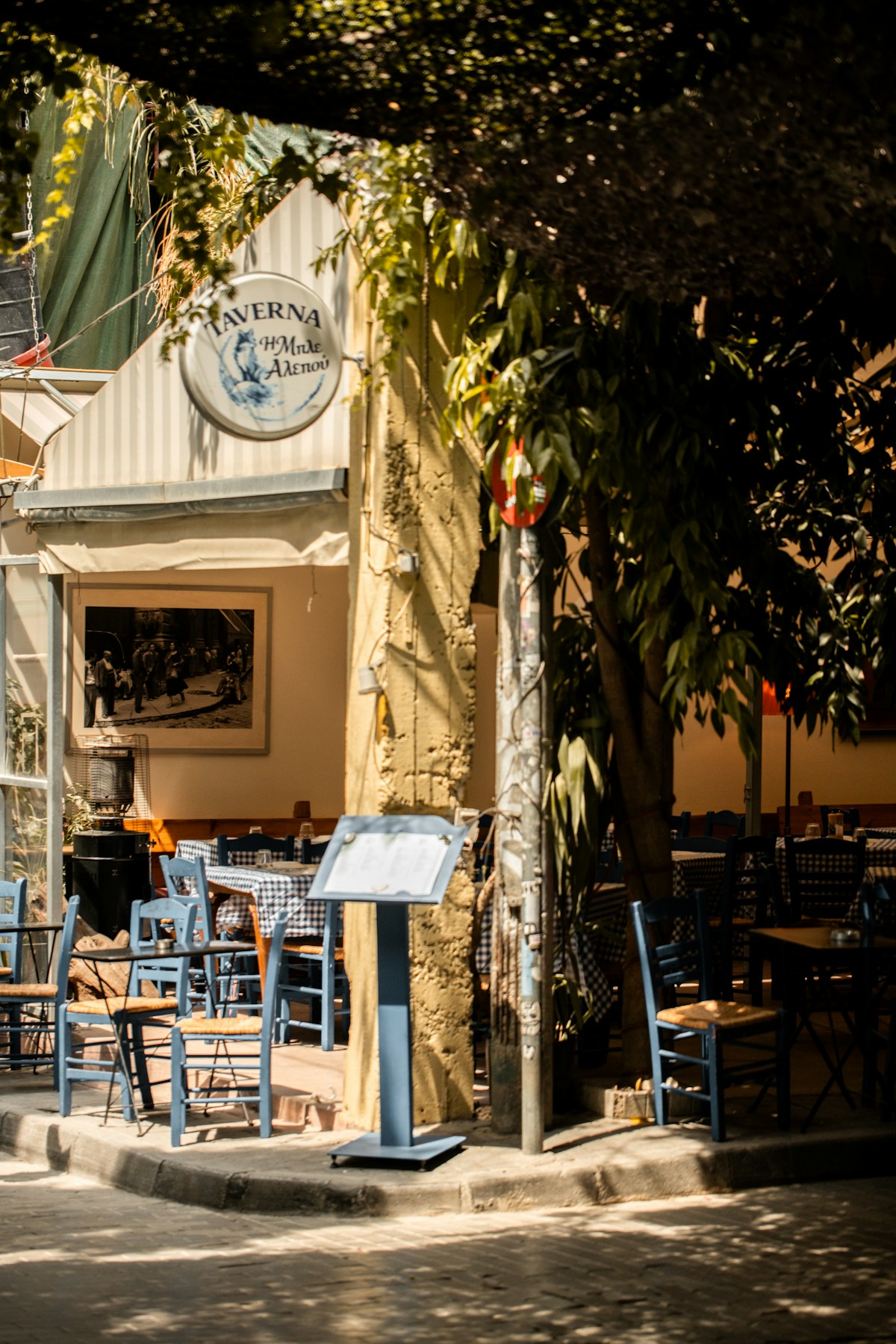
Athens feeds well. The city has a broader restaurant range than most visitors expect - not just tavernas but wine bars, Japanese-influenced meze, serious seafood, and a rooftop dining scene that uses the Acropolis as a backdrop. The challenge is knowing which neighbourhoods have the interesting food and which are purely set up for tourists who will only pass through once. Here is a neighbourhood-by-neighbourhood guide to eating in Athens.
Monastiraki and Psyrri
Monastiraki is the tourist nerve centre - flea market, souvenir shops, and the Acropolis view from the metro station. The restaurants directly on Monastiraki Square are mostly tourist traps. But two streets back into Psyrri, the quality jumps significantly.
For the classic Athens souvlaki experience:
Bairaktaris (Mitropoleos 2-4, on the corner of Monastiraki Square): In operation since 1879 and deliberately unchanged. The specialty is souvlaki pita (grilled meat in flatbread with tomato, onion, parsley, and paprika) and gyros. EUR 3.50–5 per pita. This is street food - eat standing at the counter or outside on the pavement.
Thanasis (Mitropoleos 69): Just along the square, Thanasis is the other half of the classic Monastiraki souvlaki debate. Slightly different seasoning. Both are excellent; go to whichever has the shorter queue.
In Psyrri:
Tzitzikas kai Mermigas (Mitropoleos 12, also branches at Aiolou): A modern Greek taverna that does traditional dishes with better quality ingredients and a smarter room. The zucchini chips and the fava bean dip are the essential starters. Mains EUR 12–18, mezedes EUR 6–12. Busy, no reservations - arrive before 9:00pm or after 11:00pm. Two locations make this easier.
Avli (Rachi 2, Psyrri): A courtyard restaurant set back from the street behind a narrow entrance - the kind of Athens dining spot that takes some finding. Good meze selection, friendly service, reliable kitchen. EUR 18–28 per person for a full meal with wine.
Butcher Shop Athens (Normanou 7, Psyrri): Not just a butcher but a grill restaurant where you select your meat at the counter and it’s cooked immediately. The pork neck (hirino) and the lamb chops (paidakia) are the reasons to come. EUR 16–24 per person.
Plaka and the Historical District
Plaka - the old neighbourhood directly below the Acropolis - is the most tourist-heavy eating area in Athens, and most of the restaurants on the main pedestrian streets are mediocre. But a few have maintained quality despite their location.
To Kafeneio (Epicharmou 1, corner of Tripodon): One of the more honest restaurants in Plaka, with traditional Greek dishes at non-tourist prices. The menu changes with what the market offers. Lunch EUR 12–18, dinner EUR 15–22. Popular with older Athenians who live in the neighbourhood.
Scholarchio (Tripodon 14): A proper mezedopoleio (meze restaurant) - a series of small plates rather than a main-course format. Order six to eight dishes for two people. The kolokythokeftedes (zucchini fritters), the grilled halloumi, and the octopus with pasta are good. EUR 8–14 per plate. Terrace seating in the alley.
Paradosiakon (Voulis 44): Traditional moussaka, pastitsio, stifado (beef stew) - old-school Greek cooking in a simple room. The moussaka is above average (genuine bechamel, not the institutional variant found in tourist restaurants). EUR 10–16 per person.
Koukaki: The Neighbourhood Athenians Prefer
Koukaki, south of the Acropolis Museum and west toward Filopappou Hill, is one of the more liveable Athens neighbourhoods and has become a serious dining area over the past decade. Less touristic than Plaka, more local than Kolonaki.
Mani Mani (Falirou 10): A restaurant dedicated to the cuisine of the Mani peninsula in the southern Peloponnese - one of the most distinct regional Greek cuisines. Dishes use trahanas (a fermented grain), kakavia (fisherman’s soup), spiced sausages, and cheeses not found outside the region. A genuinely educational meal. Mains EUR 16–24, tasting menu EUR 45–55. Reservation strongly recommended.
Ta Karamanlidika tou Fani (also has a location in Monastiraki, Sokratous 1): A deli-restaurant dedicated to the food culture of the Greek communities of Istanbul and Asia Minor (Anatolia) - smoked meats, aged cheeses, pickled vegetables, and a meze format based on the Ottoman-Greek culinary tradition. One of the most interesting food operations in Athens. Lunch only in some locations; get there by 1:00pm. EUR 12–20 per person.
Nolan (Vourvachi 11, Koukaki): A small, serious restaurant doing contemporary Greek cooking with Japanese technique - ceviche of sea bream with citrus and ouzo, tarama with crispy rice, grilled octopus with black-eyed peas. The kitchen is visible from the counter. Dinner only, reservation essential (nolan-athens.gr). EUR 25–40 per person.
Drupes and Drapes (Makriyianni 8): A breakfast and brunch spot that also does lunch. The coffee is good (filter and espresso), the food is honest and generously portioned. Perfect for post-Acropolis Museum recovery. EUR 8–14 for breakfast.
Exarchia: Student District and Old-School Tavernas
Exarchia, the neighbourhood north of the National Archaeological Museum, has a reputation as the anarchist quarter and is not on most tourist itineraries. The restaurant scene is genuinely local and cheap.
Ama Lachei (Kallidromiou 69, Exarchia): A vegetable-forward taverna in a renovated neoclassical building - not purely vegetarian, but the vegetable preparations are what to order. Grilled courgette with feta and herbs, slow-cooked giant beans (gigantes), warm salads with tahini. EUR 8–12 per plate. Popular with Athenians who take their food seriously.
Yiasemi (Mnisikleous 23, Plaka border): A café-restaurant on the steps between Plaka and Anafiotika that has become a favourite for its terrace view, good coffee, and home-style Greek dishes. Relaxed pace - this is where to eat slowly with a view and no hurry. EUR 8–16 for a meal.
Kolonaki: Upmarket Dining and Wine Bars
Kolonaki, east of Syntagma and below Lycabettus Hill, is Athens’s most expensive neighbourhood - fashion boutiques, embassy buildings, and a restaurant scene pitched at a higher price point.
Funky Gourmet (Paramythias 13, technically Kerameikos): Two Michelin stars, tasting menu only (EUR 140–180 per person). The most technically ambitious kitchen in Athens, with a focus on Greek ingredients reinterpreted through modern technique. Reservation essential weeks in advance (funkygourmet.com).
Vezene (Vrasida 11, Kolonaki): A wine-focused restaurant with a serious Greek wine list - one of the better places in Athens to explore PDO wines from Naoussa, Nemea, and Santorini alongside food that respects the pairings. The charcuterie board and the fish dishes are reliable. EUR 25–45 per person.
Cellier (Kriezotou 1, Kolonaki): Primarily a wine shop but with a standing bar for tastings - a good way to try Greek wines by the glass before committing to a bottle. Open until 9:00pm most days.
Street Food and Markets
Central Market (Varvakios Agora) (Athinas Street, between Monastiraki and Omonia): Athens’s main covered market - butcher counters, fish vendors, spice stalls, and the famous Epirus sausage sellers. Open weekdays from 7:00am. Not primarily a food court, but the surrounding streets have cheap lunch spots and traditional tavernas that cater to the market workers.
Evripidou Street (2 minutes from the central market): Athens’s spice street - shops selling Greek herbs, tahini, dried olives, halva, local honey, and coffee blends. The best place to buy Greek ingredients to take home.
Souvlaki throughout Athens: The standard takeaway meal of the city. Look for a pork gyros pita (rotisserie pork with tomato, onion, paprika, and tzatziki in flatbread) at any neighbourhood grill - the central city has dozens. EUR 3.50–4.50. Avoid the ones with plastic display meat; find one where you can see the rotisserie actively spinning.
Take a Guided Food Tour of Athens
Athens rewards a guided food approach more than almost any other European capital - the city’s best eating is concentrated in the working-class neighbourhoods of Psyrri and Monastiraki, in the market buildings of Evripidou Street, and in the local souvlaki and bougatsa counters that don’t show up in any tourist-facing review. A food tour connects you to the city’s Anatolian heritage (the refugee communities from Asia Minor who arrived in the 1920s shaped modern Athenian street food), its Ottoman-era market culture, and the mezedes tradition that most visitors never properly experience because they stop at tourist-strip tavernas in Plaka. Athens has one of the highest densities of food tour operators in southern Europe - the good ones cover Varvakios central market, the Psyrri neighbourhood, and a genuine meze spread.
Browse Athens food tours and culinary experiences → GetYourGuide
Practical Notes
Tipping: Not mandatory, but 5–10% is standard for table service in sit-down restaurants. Rounding up the bill is common.
Reservations: Essential for Mani Mani, Nolan, and any upmarket restaurant in July–August. Tavernas in Psyrri and Koukaki generally take walk-ins.
Water: Tap water in Athens is safe to drink and good quality. Still water at restaurants costs EUR 0.50–1.50 for a bottle; asking for tap water is acceptable.
Lunch vs dinner: Lunch (1:00pm–4:00pm) often offers the same menu at lower prices in traditional tavernas - some post a daily special (mageirefta) that is the best-value option.
All prices are approximate as of 2026.
Book Athens tours and day trips with GetYourGuide. Find hotels in Athens on Booking.com. Pick up a Greece eSIM before you fly - keeps you connected without roaming charges.
See Also
- Athens Travel Guide - city overview with where to stay, transport, and top attractions
- Things to Do in Athens - sights, museums, and experiences between meals
- Best Restaurants in Athens - a city-sub guide with more specific restaurant picks
- Greek Food Guide - understanding the traditions behind Athenian cuisine
- Best Tours in Athens - food tours, market walks, and cooking classes
- 2-Day Athens Itinerary - fitting the best eating into a 48-hour Athens visit
- Thessaloniki Restaurants Guide - how Athens food compares to Greece’s food capital