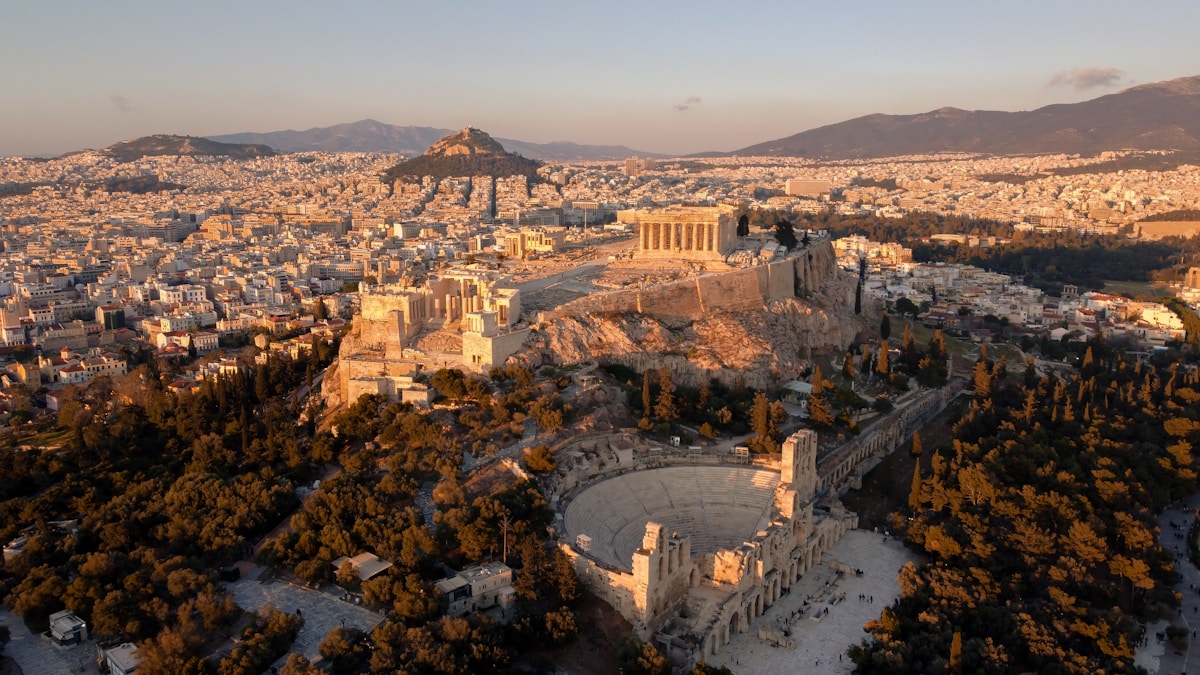
Greece’s tourism sector posted its strongest January–May performance on record, with travel receipts reaching €5.3 billion - a 25.8% increase year-on-year - according to Bank of Greece data published on July 22, 2026. Arrivals in the same period reached 12.1 million, up 19.4% on 2025.
The figures set the tone for what is expected to be a landmark year for Greek tourism, even as the country manages significant wildfire pressure during the summer months.
Who Is Coming to Greece
Germany leads European source markets, followed by the United Kingdom, France, and Italy. Long-haul arrivals - particularly from the United States and Australia - have grown at a faster rate than European arrivals, reflecting both increased air connectivity and a weak euro that has improved Greece’s price competitiveness for dollar- and pound-denominated travellers.
Cruises are a growing driver of the headline numbers. Athens-Piraeus remains one of Europe’s busiest turnaround ports, and the continued expansion of cruise itineraries covering the Cyclades and Dodecanese means that many arrivals - counted in the arrival figures - stay for only one to three days per port. This explains in part why the revenue per visitor figure, while improving, lags behind the arrival growth rate.
The Islands Driving Revenue
The Cyclades - Santorini, Mykonos, Paros, Naxos - account for a disproportionate share of tourism revenue due to high accommodation and dining spend. Sailing and island hopping between the Cyclades remains the premium itinerary for international visitors and continues to attract the highest average daily spends. Santorini tours and Mykonos bookings are consistently at or near capacity through August.
Crete is the single largest island destination by volume, drawing visitors attracted by its combination of heritage sites (Knossos, Heraklion), hiking (Samaria Gorge), and beach options. Tours in Crete from Heraklion and Chania are operating normally despite ongoing wildfire monitoring in inland mountain areas.
Rhodes has faced wildfire pressure through July (including an evacuation in the south of the island earlier in the month), but beach and hotel areas in Rhodes Town and the north of the island are operating normally.
Athens: The Year-Round Engine
Athens has emerged as one of the Mediterranean’s strongest year-round urban destinations. While the islands dominate summer, Athens is increasingly attracting visitors in shoulder and winter months when costs are lower and the Acropolis - accessed on tours and guided visits - is far less crowded.
The Parthenon’s western facade restoration was unveiled earlier in July, adding a new focus for visits to the Acropolis. The National Archaeological Museum and the Museum of the Acropolis continue to anchor Athens’ cultural appeal.
Wildfire Context
Record temperatures across the Aegean in July have elevated wildfire risk, and Greece has experienced significant fires on Kos, parts of Crete, Evia, and the Attica region. For current wildfire status, consult the European Forest Fire Information System (EFFIS) and your accommodation provider before travelling to rural or forested areas.
Beach resort areas, urban centres, and major archaeological sites have not been affected. The broader visitor experience in Greece’s primary tourist zones - Athens, the Aegean islands, and coastal resorts - is continuing normally. For tours in Greece covering the mainland and islands, booking in advance is increasingly important as demand continues its record run.
Outlook for the Full Year
With the peak summer months of July and August yet to be fully tallied, Greece is on course for both a revenue and arrival record for 2026. The government’s stated target of €25 billion in total annual tourism revenue looks achievable if the current trajectory holds through the autumn shoulder period.