Greece’s Civil Protection authority raised six regions to Red Code - danger category 4, the highest level - on 15 July 2026, placing Chios, Samos, Ikaria, Kalymnos, Kos, and the entire region of Crete under an extreme wildfire alert. At least 45 separate fires burned across the country in the preceding 24 hours, with all state fire-fighting agencies placed on full operational standby.
In northern Greece, a wildfire near Souroti in Thessaloniki killed two people and forced the evacuation of two villages. Emergency 112 alerts were activated across the Thessaloniki region, and authorities warned of toxic smoke drifting toward populated areas.
What this means for island visitors
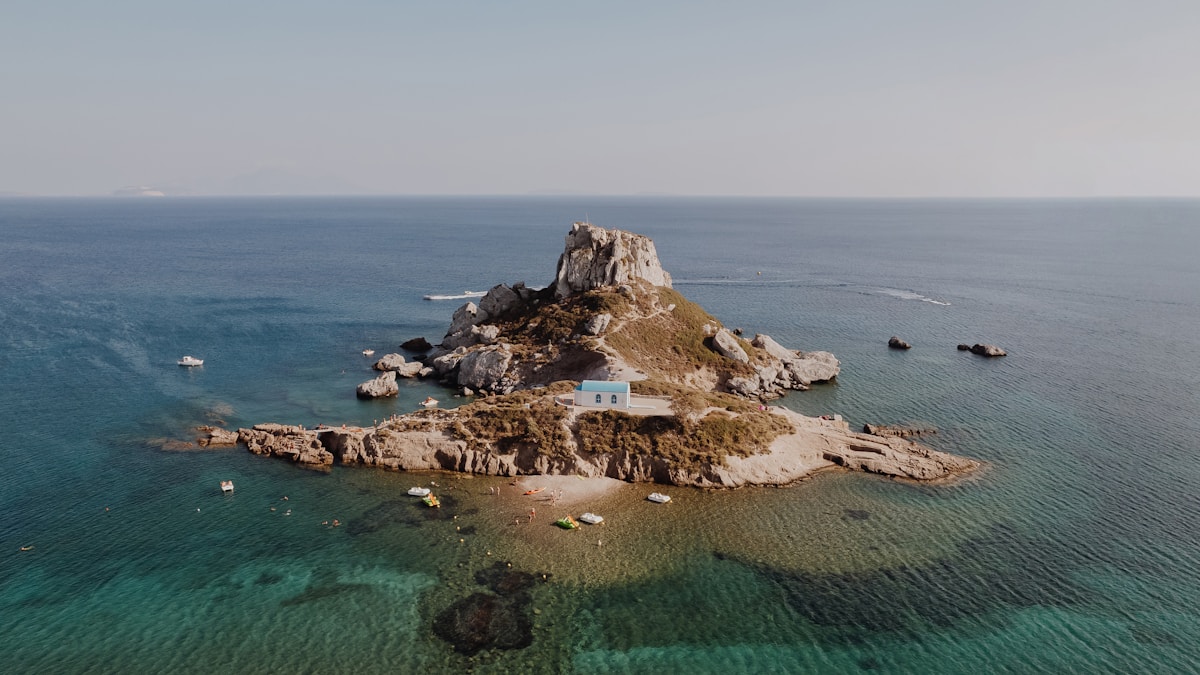
Kos and Kalymnos: Both Dodecanese islands are on Red Code. No mass evacuations of resort areas have been ordered, but all outdoor activity in forested and inland zones should be avoided while the alert is in force.
Samos, Chios, and Ikaria: The northeast Aegean islands face the same extreme conditions. Strong winds combined with tinder-dry vegetation make fire spread rapid and unpredictable. We recommend staying near coastal areas and monitoring local media.
Crete: The entire region of Crete is under the Red Code alert. If you are staying in inland or hillside accommodation, check directly with your property for local updates. Our Crete island guide covers the main resort areas and their geography.
What to do if you are in Greece now
- Save the Greek emergency number: 112 - it is free to call from any phone
- Follow evacuation instructions immediately; orders are issued without advance notice
- Keep windows closed and avoid prolonged exposure to smoke, particularly if you have respiratory conditions
- Contact your airline or ferry operator before making onward travel plans - services on affected islands may face short-notice changes
The Red Code designation is issued when wind speeds, humidity, and vegetation-dryness combine to create conditions under which fire cannot be contained by conventional means. It is a genuine operational emergency, not a precautionary measure.
Travellers planning to visit Kos or other Aegean islands in the coming days should consult Civil Protection’s live map at cpedia.gr before departure and review our Greece travel safety guide for emergency contacts and evacuation procedures, and ensure you have travel insurance for Greece covering wildfire disruption and emergency evacuation.
Conditions are being reassessed daily. The alert is expected to remain in force through at least 16 July, with forecasters citing continued high winds and low relative humidity across the Aegean.