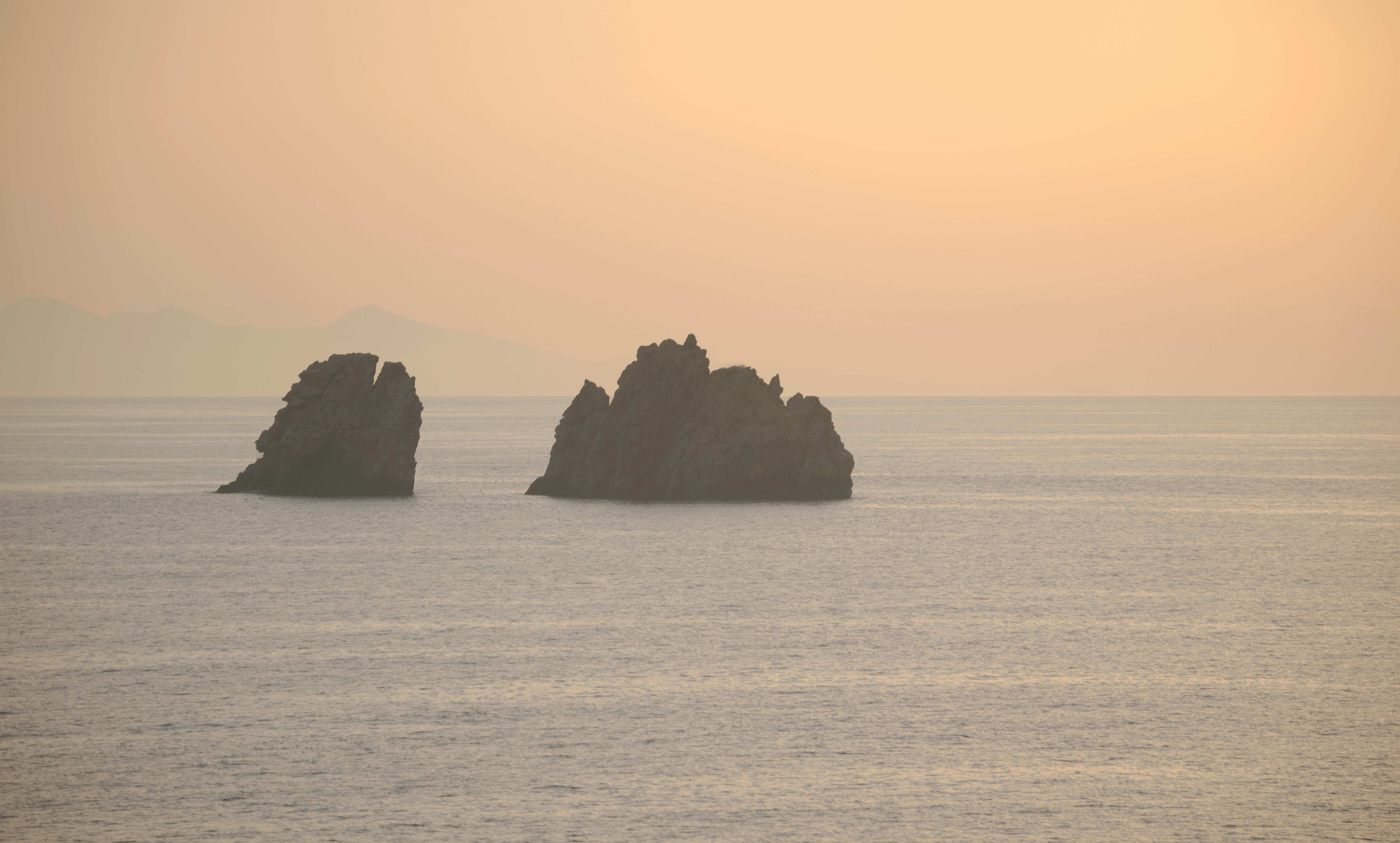
Paros sits at the geographic centre of the Cyclades and has the kind of balance that makes it consistently one of the most visited islands in Greece - a proper port town, a beautiful fishing village, a mountain interior, long sandy beaches, and world-class wind conditions. It is more accessible than Mykonos without the price tag, and more developed than Naxos without losing the Cycladic character. Prices listed here are approximate as of 2026.
Top Tours in Paros
| Tour | Duration | Price (from) | Group Size | Highlights |
|---|---|---|---|---|
| Antiparos & Despotiko Full-Day Swim Cruise | 7 hrs | from €53/person | Up to 20 | Antiparos sea caves, Despotiko ruins, multiple swim stops |
| Blue Lagoon & Antiparos Boat Tour | 3.5 hrs | from €68/person | Up to 15 | Crystal Blue Lagoon, Antiparos village, snorkelling gear included |
| Parikia & Naoussa Walking Tour | 2 hrs | from €20/person | Small group | Panagia Ekatontapiliani church, Naoussa fishing port, marble lanes |
| Catamaran Cruise with Meal & Drinks | 9 hrs | from €85/person | Small group | Antiparos, Despotiko, sunset return, full BBQ lunch on board |
| Antiparos Island Day Trip by Local Boat | 6 hrs | from €35/person | Up to 30 | Antiparos village, sea cave, Psaraliki beach swim |
Browse all Paros tours → GetYourGuide
Explore Parikia
Parikia is the capital and main port - a proper working town behind the tourist infrastructure. The old quarter runs behind the waterfront for several lanes of whitewashed Cycladic architecture.
The Panagia Ekatontapyliani (Church of 100 Doors): One of the most important Byzantine churches in Greece - a 4th-century complex modified and expanded over the following centuries. The church is dedicated to the Virgin Mary and the name refers to a legend that 99 doors have been found and the 100th will be revealed when Constantinople is recaptured. The architecture is unusual for Greece, with Byzantine influence rather than the standard Cycladic white church form. Entry is free; open daily. Well worth an hour with the adjacent archaeological museum (entry approximately €3).
The Kastro: The Frankish castle built over the ancient acropolis in the 13th century. Many of the marble blocks used in its construction came from the ancient temples that stood here previously. The inscriptions and architectural fragments embedded in the walls are visible at close inspection.
The waterfront: Parikia’s harbour is functional and lively - ferry arrivals and departures, fishing boats, a row of cafes and restaurants facing the water. The morning fish market near the port is worth seeing if you are up early.
Walk Around Naoussa
Naoussa, on the north coast, is the most photographed village on Paros - a small fishing harbour ringed by whitewashed buildings and blue-painted boats, with a half-submerged Venetian castle at the harbour mouth. It is genuinely attractive and it knows it; summer evenings bring significant crowds but the lanes behind the harbour are quieter.
The harbour area has some of the best restaurants on the island. The surrounding bays - Kolymbithres with its distinctive granite rock formations, Monastiri beach, and Lageri - are accessible by boat or a short drive and are among the best on the island.
Evening is the best time to be in Naoussa - the day-trippers thin out and the fishing boats return.
Visit Lefkes in the Interior
Lefkes is Paros’s principal inland village, built in the mountains during the Middle Ages to be out of sight of pirates. The village retains a genuine unhurried character that the coastal villages increasingly lack. Stone lanes, a central church (the marble Cathedral of Agia Triada), and sweeping views across to Naxos.
The Byzantine path (a marble-paved trading route connecting Lefkes to the east coast) is one of the best walks on the island - approximately 5km one way, waymarked, taking 1.5–2 hours at a relaxed pace. The path passes through olive orchards and the village of Prodromos before reaching the coast at Marpissa. A taxi or bus back to Lefkes completes the loop.
Windsurf at Golden Beach (Chryssi Akti)
Golden Beach on the east coast is Paros’s best-known wind sports venue and regularly ranks among the best windsurfing locations in Europe. The Meltemi wind blows reliably across the bay in summer, flat water in the bay transitions to chop offshore, and the beach itself is excellent for non-surfers.
Paros Windsurf Club and F2 Windsurf Centre both operate on Golden Beach with equipment hire and lessons (introductory lessons approximately €60–80 as of 2026; equipment hire from approximately €40 per half-day). The beach also has excellent facilities for non-water-sports visitors: sunbeds, beach bars, and restaurants.
Take a Boat Trip to the Small Islands
From Parikia and Naoussa, boat trips run to beaches not easily accessible by road - particularly to Kolymbithres (the granite rock beach near Naoussa), Monastiri, and around the island’s coastline. Day trips also connect to Antiparos.
Antiparos warrants a half or full day: the Cave of Antiparos (entry approximately €4, a 10-minute bus ride from the port) has impressive stalactite and stalagmite chambers, some of the largest in the Mediterranean. Byron, Victor Hugo, and King Otto of Greece all visited and left inscriptions on the walls.
Boat trips from Parikia to Antiparos and the Cave cost approximately €20–35 per person including the cave entry, from operators on the waterfront as of 2026.
See the Ancient Marble Quarries at Marathi
Paros produced the finest white marble in antiquity - used in the Venus de Milo, the Nike of Samothrace, the Temple of Solomon (according to some ancient sources), and numerous Roman buildings. The quarries at Marathi, in the hills above the village of the same name, are still visible and partially accessible.
The site is low-key and not heavily touristed - rough tracks lead to the open quarry faces where you can see the extraction marks made over two thousand years. A small church has been built into one of the quarry tunnels. No entry fee; you need a hire car to get there.
Practical Notes
Paros has a functioning local bus network connecting Parikia, Naoussa, Lefkes, and the main east coast beaches in summer. For the quarries, south coast beaches, and interior exploration, a hire car or quad bike is more practical (approximately €35–60 per day as of 2026). Taxis from Parikia are available but limited in number - book ahead for transfers.
Find organised tours and activities from Paros at GetYourGuide.
For the complete Paros island guide including accommodation and getting here, see our Paros travel guide. For the best beaches from Kolymbithres to Santa Maria, see best beaches in Paros. For restaurants in Naoussa, Parikia, and the villages, see best restaurants in Paros. Deciding between Paros and its neighbour? See our Paros vs Naxos comparison.
Search hotels in Paros, Greece on Booking.com
See Also
- Paros Travel Guide - island overview with where to stay, Naoussa, and getting there
- Best Beaches in Paros - Kolymbithres, Santa Maria, Golden Beach, and Punda
- Restaurants in Paros - Naoussa fish tavernas, Parikia bakeries, and village spots
- Paros Tours - boat trips to Antiparos, village excursions, and watersports
- Where to Stay in Paros - Naoussa vs Parikia vs the south coast beaches
- Paros vs Naxos - comparing the two best family-friendly Cycladic islands
- Greek Island Hopping Guide - Paros in the context of a Cyclades circuit