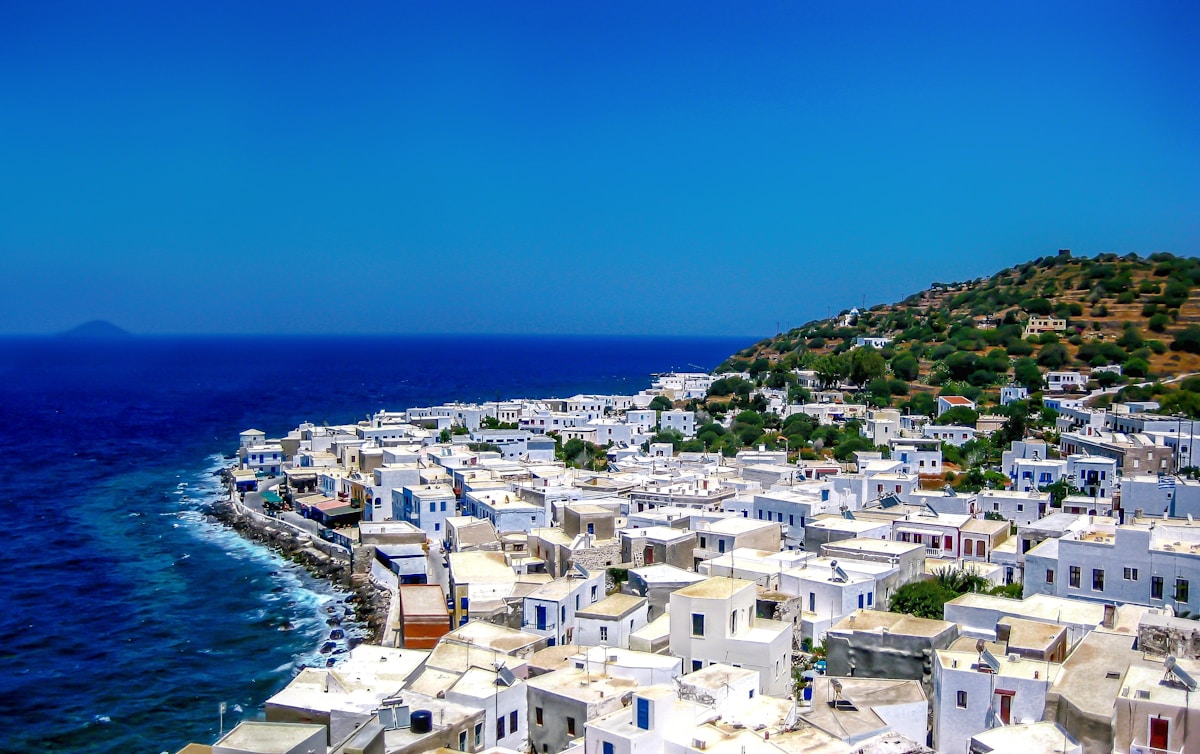
Nisyros is one of the few places in Europe where you can walk inside an active volcano’s caldera, and that geological fact shapes everything about visiting. The entire island is a stratovolcano; the flat, low-lying area in the middle - the Lakki plateau - is a caldera approximately 4 kilometres in diameter. Within it, the Stefanos crater is accessible on foot and still geologically active: the floor is warm underfoot, fumarole vents hiss sulphur dioxide, and the pale grey-yellow surface of volcanic ash makes the landscape look unlike anywhere else in Greece.
Beyond the geology, Nisyros has Mandraki - a whitewashed Dodecanese village with black volcanic stone detailing, a medieval monastery built into the caldera rim, and traditional tavernas serving chickpea fritters that have been a local staple for centuries. Prices listed are approximate as of 2026.
Top Tours in Nisyros
| Tour | Duration | Price (from) | Group Size | Highlights |
|---|---|---|---|---|
| Nisyros Volcano Day Trip from Kos | 7 hrs | from €30/person | Up to 50 | Stefanos crater walk, Mandraki village, pitaroudia lunch |
| Nisyros & Tilos Island Cruise | 8 hrs | from €40/person | Excursion boat | Both islands, caldera rim overview, swimming stop |
Browse all Nisyros tours → GetYourGuide
Walk the Stefanos Volcano Crater
The Lakki plateau sits in the island’s interior, reached from Mandraki in about 15 minutes by bus or taxi. The plateau rim is the edge of the ancient caldera; from here, a clear path descends into the crater floor - roughly 100 metres of elevation change over a few hundred metres of horizontal distance.
On the crater floor you walk across pale volcanic ash and sulphur deposits, the ground noticeably warm underfoot in places. The fumarole vents hiss and emit sulphur dioxide at various points; the smell is sharp but not overwhelming at a normal walking pace. Active vents are not fenced off - you choose your own proximity. The crater floor is approximately 300 metres across at the widest point.
Several craters exist on the plateau; Stefanos is the most accessible and most visited. Polyvotis, adjacent to Stefanos, is more rugged and requires scrambling - this is for those who want a more geological experience. The plateau overall looks like a moonscape, ringed by the green volcanic caldera walls.
Entry to the crater area costs approximately €3–5. Visit before 9am to avoid the day-tripper boats from Kos that typically arrive mid-morning. In summer the crater floor temperature can exceed 40°C - bring water and avoid the midday window between 11am and 2pm.
Explore Mandraki Village and Panagia Spiliani
Mandraki is the island’s only substantial settlement, a cluster of whitewashed houses with black volcanic stone detailing built into the caldera rim. The upper part of the village is literally inside the outer wall of the volcano. The kastro - incorporating Byzantine masonry, a Venetian tower, and the Monastery of Panagia Spiliani (Our Lady of the Cave) - is at the highest point.
The monastery is built around a grotto cut into the cliff face; the icon of Panagia Spiliani is kept inside the cave chamber, lit by oil lamps. Entry is free with a small donation customary; dress modestly. The kastro walls give the best views over the caldera interior and down to the port below.
The village has a central square (plateia) with kafeneions and a small market. Local specialities found at village shops and tavernas include pitaroudia (chickpea fritters with herbs - a Nisyrian staple), locally produced pumice stone (an export product), and honey from the island’s beehives. The black volcanic stone used in walls and paving gives Mandraki’s streetscape a distinctive character you won’t find on other Dodecanese islands.
Soak in the Thermal Springs at Loutra
The thermal baths at Loutra on the island’s east coast have operated since antiquity - Hippocrates mentioned the Nisyros springs, and Roman visitors came specifically to bathe here. The current facility is modest: outdoor pools filled with volcanic thermal water at approximately 35–40°C, with basic changing areas. Entry costs approximately €3–4.
The water is sulphur-rich and takes on a milky quality when agitated. The therapeutic value is traditional rather than clinically verified, but the experience of sitting in naturally heated volcanic water with a handful of other visitors, in a landscape shaped entirely by volcanic processes, is genuinely unusual.
Getting to Loutra: the island bus covers the route in summer, or a taxi from Mandraki costs approximately €12–15 return. The road crosses the caldera interior with good views of the Lakki plateau. The baths open seasonally, typically May to October.
Visit Emboreios Village
Emboreios, on the caldera rim above the Lakki plateau, is an almost-abandoned upper village with remarkable views directly into the volcanic caldera. At its peak it had several hundred residents; today fewer than a dozen people live there year-round. The empty houses - well-built volcanic stone structures with wooden shutters - line the lanes, and the village square has a kafeneion that opens in summer.
The caldera view from Emboreios is the best on the island: you look directly down into the Lakki plateau with the Stefanos and Polyvotis craters visible from above, ringed by the green caldera walls. The light in early morning and evening is particularly good. A taxi from Mandraki to Emboreios costs approximately €8–10 one way.
For the full island overview including accommodation options and how to get to Nisyros by ferry, see our Nisyros travel guide. For the Dodecanese context, see our Dodecanese island guide and Kos travel guide.
Book Nisyros tours and volcano excursions through GetYourGuide. Pick up a Greece eSIM before you travel.