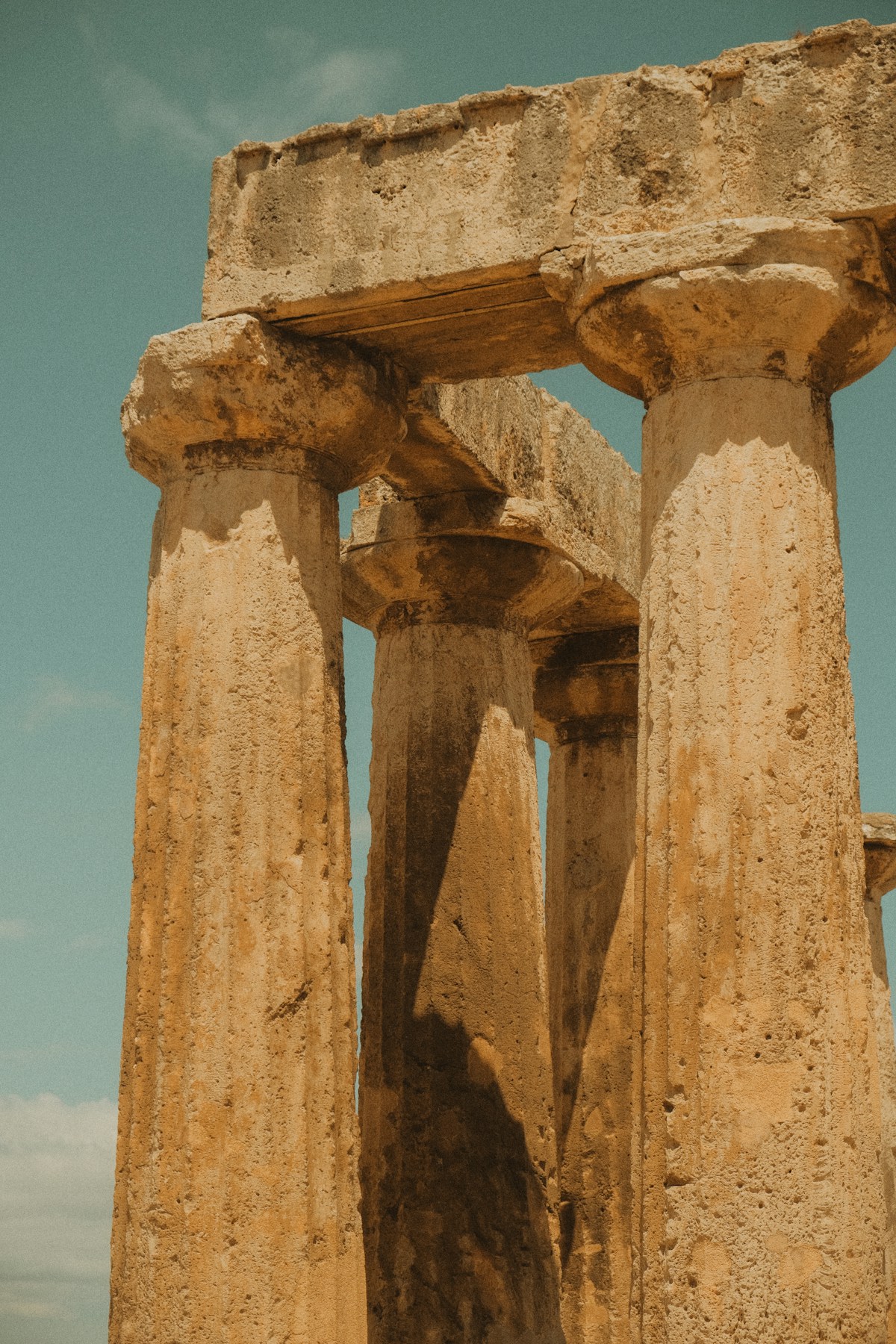
Ancient Olympia is the birthplace of the Olympic Games - a site that has attracted pilgrims, athletes, and travellers for nearly three millennia. The archaeological complex covers the ancient sanctuary of Zeus, the Temple of Hera, the original Olympic stadium, the workshop of Pheidias (where the chryselephantine statue of Zeus was made), and a museum holding the pediment sculptures from the Temple of Zeus. It is one of the most historically significant sites in Greece, comparable in scale and importance to Delphi. Most visitors see it as a day trip from Patras or the coastal resorts; staying overnight in the village puts you at the gate when it opens.
The village of Modern Olympia (officially Archaia Olympia) is the only practical base. It occupies the same valley as the ancient site, 1km from the main entrance. All of the accommodation options below are within walking distance of the archaeological complex.
Prices below are approximate as of 2026.
Olympia Village
The village has a concentrated selection of hotels, guesthouses, and restaurants along its main street (Douma) and the side lanes running off it. The oldest and most established hotels are clustered around the entrance road to the site.
Budget (€45–80/night): Hotel Pelops (Varela 2) is the most consistently praised budget option in the village - a small, family-run hotel with a welcoming owner, clean rooms, a small pool, and an honest breakfast. Rates from approximately €55/night in May. The owners are knowledgeable about the site and happy to advise on touring order. Hotel Praxitelis (Spiliopoulou 7) offers plain, well-kept rooms close to the site entrance from approximately €50/night. A few self-catering studios and small guesthouses on the back lanes run from approximately €45/night for a double room in low season.
Mid-range (€85–160/night): Hotel Neda (Douma main street) is a reliable three-star option - solid rooms, a restaurant on-site, and good position in the centre of the village, from approximately €90/night. Olympia Palace Hotel has a pool and clean contemporary rooms from approximately €100/night in June. Several boutique-style guesthouses have appeared in recent years offering individually furnished rooms and personal service from approximately €95/night.
Luxury (€150–300/night): Hotel Europa Olympia (Drouva 1) sits on a hill above the village with panoramic views of the valley and the Alpheios River, a large pool, spa facilities, a good restaurant, and comfortable rooms. It is the standout luxury option in the area, from approximately €165/night in July. The hilltop position means a 10-minute walk or quick drive to the site entrance, but the views from the pool terrace compensate. Mercure Ioanna Hotel is a newer four-star option in the village with modern rooms and a pool from approximately €140/night.
Best for: Those who want to be at the site gate at opening - the 08:00–10:00 window is noticeably quieter than midday. Also suits archaeology enthusiasts who want a full day at both the site and museum without commuting.
The archaeological site
Ancient Olympia covers approximately 100 hectares, making it a full-day site. The Temple of Zeus (470–457 BC) was one of the largest temples in the ancient Greek world; its pediment sculptures are now in the on-site museum. The original stadium, where athletes competed from 776 BC onwards, is intact - visitors can walk onto the stone-and-earth track and stand at the starting line. The Palaistra (wrestling school) and Gymnasion are well-preserved training facilities.
The Archaeological Museum of Olympia, a 5-minute walk from the site, holds the pediment carvings from the Temple of Zeus, the Nike of Paionios, and the famous Hermes of Praxiteles. Allow at least 1.5 hours for the museum separately from the site. A combined ticket covers both.
The best touring order is site first, museum second - the sculptures make more sense once you have stood in the ruins of the building they came from.
Getting the most from an overnight stay
The site is significantly quieter before 10:00. Tour coaches from Patras and the coastal resorts arrive from mid-morning onwards; by midday the main areas are busy. Staying the night allows an 08:00 start, roughly two hours of near-empty ruins before the crowds arrive. The light in the early morning is also better for photography - the Temple of Zeus columns face east and catch the low sun directly.
The village tavernas along Douma are generally good value. Taverna Thea (near the church) serves solid Peloponnese cooking - lamb dishes, fresh horta, and local wine - at approximately €12–18 per person. Most restaurants close early (by 22:00) in line with the village pace.
The Alpheios River, which flows past the edge of the ancient sanctuary, is visible from the road south of the village and makes for a pleasant late-afternoon walk after the site closes.
Get travel insurance for Greece before you travel. A Greece eSIM keeps you connected without roaming charges. Book Olympia tours for guided visits with an archaeologist who can bring the site’s athletic and religious history to life.
Related Olympia guides
- Olympia Guide - complete overview of the ancient site and surroundings
- Things to Do in Olympia - site visits, museum, and valley walks
- Best Restaurants in Olympia - village tavernas and where to eat
- Day Trips from Olympia - Pyrgos, Patras, and the Peloponnese coast