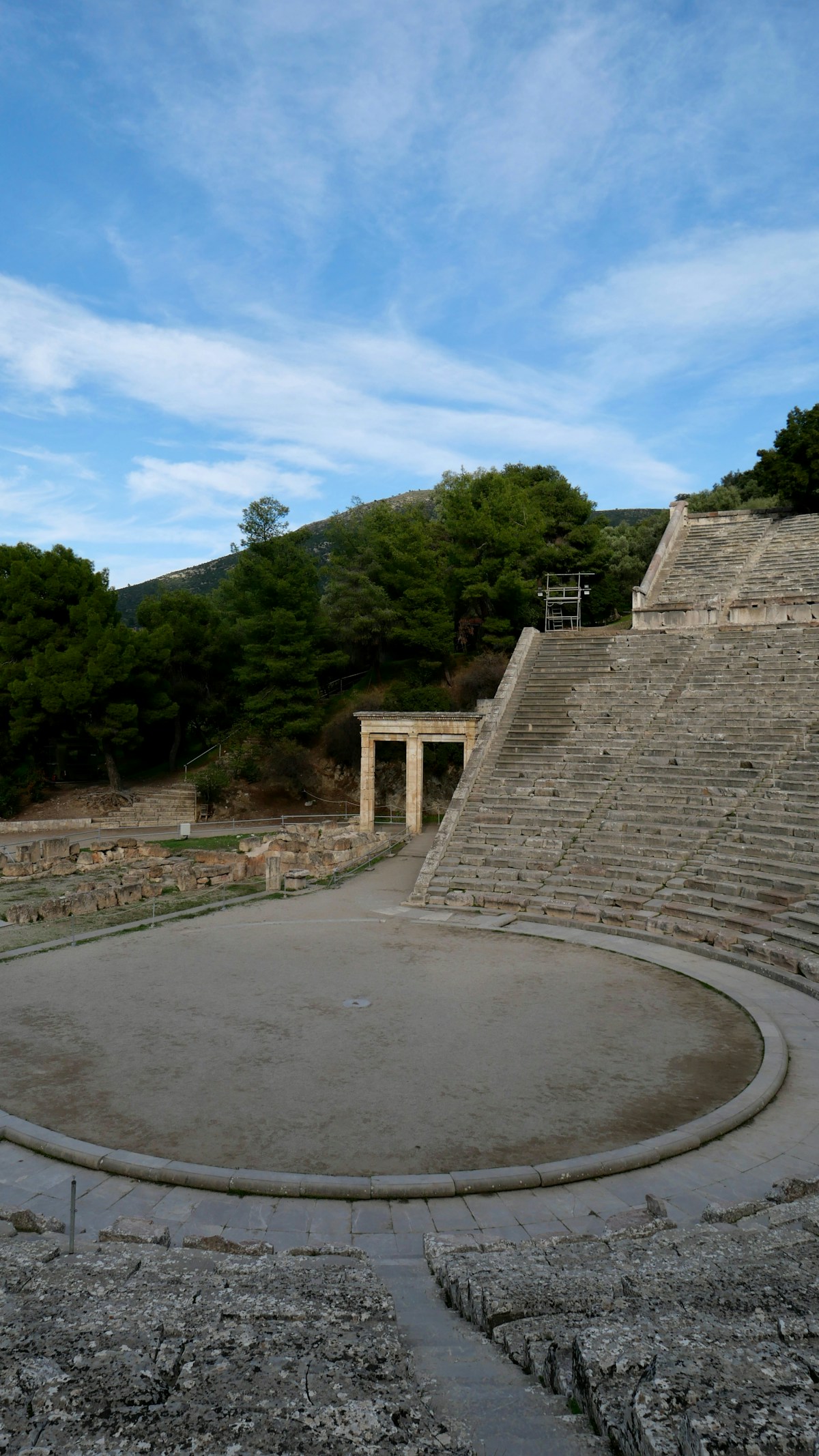
Olympia is one of the most important places in the ancient world. For over a thousand years - from approximately 776 BCE to 393 CE - it hosted the Olympic Games every four years, drawing athletes and spectators from across the Greek world during a period of truce from war. The sacred precinct of the Altis at its centre was a gathering place, a treasury of dedications, and the home of two of the Seven Wonders of the Ancient World (the Temple of Zeus and its chryselephantine statue). The modern village of Olympia is small and almost entirely given over to tourism, but the site itself justifies every visitor’s time.
Here is what to do in and around Olympia. All prices are approximate as of 2026.
Top Tours at a Glance
| Tour | Duration | Price (from) | Group Size | Highlights |
|---|---|---|---|---|
| Ancient Olympia: Site & Museum Entry Ticket | Self-guided | from €18 | - | Combined ticket, archaeological site + museum |
| Ancient Olympia: Archaeologist-Led Site & Museum Tour | 3 hrs | from €45 | Up to 6 | Expert commentary, Temple of Zeus, Hermes of Praxiteles |
| Olympia: Site & Museum Guided Tour | 3 hrs | from €30 | Small group | Stadium, Hera Temple, Olympic flame ceremony site |
| Katakolon Port: Guided Olympia Shore Excursion | 4 hrs | from €55 | Small group | Cruise port transfer, full site visit, licensed guide |
Browse all Olympia tours → GetYourGuide
The Archaeological Site of Ancient Olympia
The site - known in antiquity as the Altis (“the grove”) - covers a large area on the east bank of the Alpheios River. The layout is dense: within the sacred precinct walls are the ruins of the Temple of Zeus, the Temple of Hera, the Pelopion (the sanctuary of Pelops, whose legend is tied to the origin of the Games), the Prytaneion (where athletes were entertained), and dozens of treasury buildings erected by various Greek city-states. Outside the walls are the gymnasium, palaestra, workshop of Pheidias, and the original stadium.
Entry: Approximately EUR 12 as of 2026 for the site alone; combined ticket with the Archaeological Museum approximately EUR 18. Open daily approximately 8am–7pm in summer; shorter hours in winter.
The Temple of Zeus
The great temple of Olympia, built in the 5th century BCE and one of the largest Doric temples in the ancient world. The temple collapsed in antiquity (probably in the 5th or 6th century CE due to earthquakes) and its columns lie where they fell, in a remarkable horizontal pattern. The temple housed the statue of Zeus by Pheidias - a seated gold and ivory figure approximately 12 metres tall, considered one of the Seven Wonders of the Ancient World. The statue itself is gone; the pediment sculptures from the temple are in the Archaeological Museum.
The Temple of Hera
The older of the two main temples, dating to approximately 600 BCE - one of the earliest large Doric temples in Greece. Thirteen of its original columns survive partially standing. The Temple of Hera is where the Olympic flame ceremony for each modern Olympics is held: a torch is lit here by a lens focusing sunlight, and then carried by relay to wherever the Games are being held. The next ceremony can be checked online through the Olympic Committee.
The Stadium
The original Olympic stadium is one of the most evocative places on the site. The trackbed - 192.27 metres long, the length of one stade - is intact, and visitors can walk down through the stone-vaulted entrance tunnel (the same passageway used by athletes in antiquity) and onto the track. Running the stade is allowed and many visitors do it. The surrounding embankments held approximately 45,000 spectators standing on the grass; no seating was provided except for the judges’ stand on the south side.
The Archaeological Museum of Olympia
Adjacent to the site, the Archaeological Museum holds the most important finds from the sanctuary across 12 rooms. The highlights:
Hermes of Praxiteles: A marble figure of Hermes carrying the infant Dionysus, attributed to the 4th-century BCE sculptor Praxiteles (attribution is debated by some scholars, but the work is extraordinary regardless). One of the finest original Greek marble sculptures in existence.
Olympia Pediment Sculptures: The two pediment groups from the Temple of Zeus - the Battle of the Lapiths and Centaurs (west pediment) and the Chariot Race of Pelops and Oenomaus (east pediment) - are displayed in the central hall. The Centaur battle group in particular shows late-Archaic Greek sculpture at its most dynamic.
Nike of Paionios: A 5th-century BCE statue of Nike (Victory) in flight, originally mounted on a high triangular pillar outside the Temple of Zeus. The sense of forward movement is impressive even in fragmentary form.
Entry: Included in the combined site-museum ticket (approximately EUR 18 as of 2026) or separately approximately EUR 12. Open same hours as the site.
Museum of the History of the Olympic Games in Antiquity
A smaller museum in the village, covering the history and ritual structure of the ancient Games: the torch relay, the truce, the events (discus, javelin, pankration, chariot race), and the lives of famous victors like Milo of Croton and Leonidas of Rhodes. Entry approximately EUR 6 as of 2026. Good for context before or after the main site visit.
The Workshop of Pheidias
Within the archaeological site, the workshop where Pheidias created the statue of Zeus is identifiable by its distinctive elongated floor plan (designed to match the proportions of the temple interior). Excavations found moulds, tools, and a drinking cup inscribed “I belong to Pheidias.” The remains are minor but the association is extraordinary.
For where to eat in and around Olympia village, see our Olympia restaurants guide. For day trips to Kaiafas Lake, Andritsaina, and Bassae Temple, see our Olympia day trips guide. For a broader Peloponnese touring plan, see our Peloponnese road trip itinerary.
Book Olympia tours with GetYourGuide. Pick up a Greece eSIM before you fly - keeps you connected without roaming charges.
Search hotels in Olympia, Greece on Booking.com
See Also
- Olympia Travel Guide - full overview with accommodation and getting there
- Best Restaurants Near Olympia - dining in the village
- Day Trips from Olympia - Bassae Temple, Kaiafas Lake, and the Ionian coast
- Ancient Olympia Guide - deep history of the Games and the sanctuary
- Peloponnese Road Trip Itinerary - placing Olympia in the full Peloponnese circuit
- Nafplio Travel Guide - the other essential Peloponnese base
- Kalamata Travel Guide - southern Peloponnese hub, 2 hours south