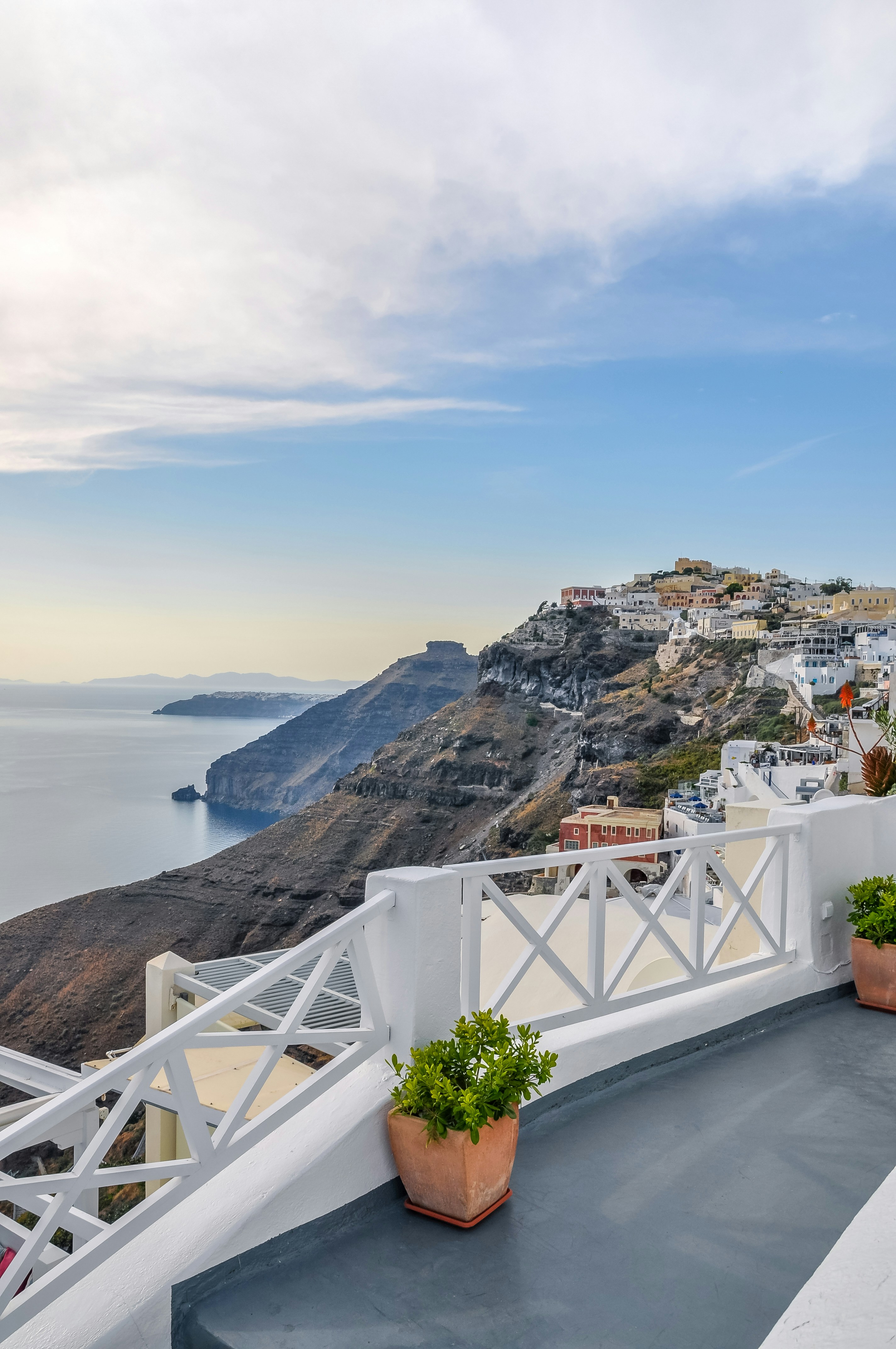
Greece rewards slow travel. Most visitors see it at a sprint - three days in Athens, four days island-hopping - but the country has a different character when experienced at a month’s pace. Neighbourhood cafés, market rhythms, the change in evening light over the Aegean as the weeks pass. The practical side is also better than most people expect: costs are lower than western Europe, infrastructure in the major cities is solid, and Greece has a formal digital nomad visa with a meaningful tax benefit.
This guide covers the main options for a month-long stay: Athens, Thessaloniki, Crete, and the islands. Monthly rates below are approximate as of 2026 and reflect furnished, short-let apartments with wifi included.
Athens: Best All-Round Base
Athens is the strongest overall choice for a month-long stay in Greece. It combines the lowest cost-of-living among European capital cities, good digital infrastructure, and the full range of urban amenities - hospitals, international schools, coworking spaces, international flights - that matter if something goes wrong or if you need to stay longer.
Best neighbourhoods for extended stays:
- Koukaki: Residential, walkable to the Acropolis, good metro access. Monthly studios approximately €700–1,000; one-bedrooms approximately €950–1,400.
- Pagrati: East of the Acropolis, expat-friendly, good café scene around Plateia Varnava. Monthly studios approximately €650–950.
- Kolonaki: Upscale, expensive, genuinely Athenian. Monthly one-bedrooms approximately €1,200–1,900.
- Exarchia: Cheapest central option, counter-culture character. Monthly studios approximately €500–800.
Browse Athens apartments for extended stays
See our Athens long-stay guide for full neighbourhood detail, weekly vs monthly pricing, and coworking options.
Visa note: Non-EU citizens staying beyond 90 days should apply for the digital nomad visa or national D visa before arriving.
Thessaloniki: Cheaper, Quieter, Underrated
Greece’s second city is a genuine sleeper for extended stays. Thessaloniki has a large university (Aristotle University of Thessaloniki, one of the largest in Europe), a cosmopolitan waterfront, excellent food - the city has a stronger food culture than Athens by most measures - and accommodation costs that run 20–30% below Athens.
The city is compact enough to live without a car and has good bus connections. International connections are more limited than Athens (fewer direct routes to non-European cities), but for a remote worker who only needs occasional travel, this is a minor constraint.
Monthly rental rates (furnished, central areas):
- Studio: approximately €550–800
- One-bedroom: approximately €800–1,200
- Two-bedroom: approximately €1,100–1,700
Best areas for extended stays:
- Ladadika: Renovated warehouse district near the waterfront; good café and restaurant scene, compact.
- Ano Poli: Upper town, traditional Ottoman-era architecture, hilly, very local in character. Cheaper than Ladadika.
- Kalamaria: Residential suburb east of the centre along the coast; quieter, slightly lower cost, good local markets.
Browse Thessaloniki serviced apartments
Coworking: The coworking scene is smaller than Athens but functional. Impact Hub Thessaloniki is the main option; several café-coworking hybrids have opened in the Ladadika and Tsimiski Street area.
Ferry access: Thessaloniki has ferry connections to several northern Aegean islands (Limnos, Lesvos, Chios), making it a practical base for island excursions during a longer stay.
Crete: Best Island Option for Extended Stays
Crete is the most practical Greek island for a month-long stay. Unlike the Cyclades - which largely close down from October to April - Crete functions year-round. Both Chania and Heraklion have full urban infrastructure: international hospitals, large supermarkets, coworking spaces, banks, and a domestic airport with year-round flights to Athens and seasonal European connections.
Chania
The more attractive of the two cities for long stays, with a medieval Venetian harbour, a walkable old town, and an established community of expats and digital nomads, particularly in the Splantzia and Koum Kapi neighbourhoods.
Monthly rates (furnished, central Chania):
- Studio: approximately €650–950
- One-bedroom: approximately €900–1,400
- Two-bedroom: approximately €1,200–1,900
Browse Chania apartments for extended stays
Best time: October–April for lowest costs (30–40% below peak season rates) and no crowds. May and June are excellent - good weather before peak tourist volumes.
Heraklion
More urban and less picturesque than Chania, but with better transport connections (larger airport, more ferry routes) and a slightly wider range of services.
Monthly rates (furnished, central Heraklion):
- Studio: approximately €600–900
- One-bedroom: approximately €850–1,300
Cyclades: Shoulder and Off-Season Only
The Cycladic islands - Paros, Naxos, Syros, Milos - are worth considering for extended stays in May–June and September–October, when the tourist pressure eases and a genuine local rhythm returns. Syros (the administrative capital of the Cyclades, with year-round ferry connections and a functioning town economy) is the most practical outside of summer.
Paros and Naxos: Both have established communities of long-term residents and enough year-round infrastructure for a comfortable stay. May and September are ideal months. Monthly apartment rates: approximately €700–1,100 for a studio in shoulder season; significantly higher (€1,400–2,500+) in July–August.
Islands to avoid for extended stays: Santorini and Mykonos have infrastructure built entirely around peak-season tourism. Off-season, large parts of both islands simply close. Costs remain high even in winter. Neither is practical for a working month-long stay.
Corfu: Ionian Island Alternative
Corfu is an underused long-stay option. The island is larger and more varied than most Cycladic alternatives, has British and Italian expat communities established over centuries, operates year-round (airports, hospitals, supermarkets), and has monthly apartment rates that undercut Crete slightly.
Monthly rates (furnished, Corfu Town area):
- Studio: approximately €600–900
- One-bedroom: approximately €850–1,300
The island’s interior - particularly villages like Kassiopi and Paleokastritsa outside of summer - is much more affordable than Corfu Town but requires a car.
Seasonal Pricing Pattern
| Season | Adjustment vs shoulder season |
|---|---|
| July–August (peak) | +30–60% in islands; +15–20% Athens/Thessaloniki |
| May–June, Sept–Oct (shoulder) | Base rates (figures above) |
| November–April (off-season) | –20–35% islands; –10–15% Athens/Thessaloniki |
For a long-term stay at the lowest cost: October or November start dates offer the sharpest discounts, particularly in Crete and the islands. Athens and Thessaloniki have smaller seasonal swings and are practical year-round.
Booking Strategy for Monthly Stays
Booking.com: The most useful platform for furnished serviced apartments with flexible cancellation. Filter by “Apartment” property type and select your full date range to see monthly rates. Many properties offer 25–40% discounts for 28+ night bookings vs the weekly rate.
Airbnb monthly mode: Selecting 30+ nights activates significant discounts (typically 30–50% off the nightly rate). The platform has good apartment supply in Athens, Thessaloniki, and Chania.
Spitogatos.gr: The main Greek property portal for traditional month-to-month unfurnished leases. Useful for stays of 3+ months where you want a proper lease. Listings are in Greek; Chrome autotranslate handles it adequately.
Direct negotiation: For hotels considering a month-long stay, direct email negotiation often yields 15–25% below listed rates, particularly in shoulder or off-season. Hotels in Koukaki (Athens) and Chania Old Town are the most receptive to this.
Practical Considerations
Health insurance: EU citizens can use their EHIC card for state healthcare. Non-EU citizens should have comprehensive travel insurance or private health insurance - required for the digital nomad visa.
Banking: Most ATMs accept international cards with standard fees. For stays of a month or longer, opening a Greek bank account (Eurobank, Alpha Bank) avoids repeated fees; this requires a Greek Tax Registration Number (AFM), which can be obtained at a local tax office with a passport.
Mobile data: A Greek SIM (Cosmote, Vodafone, or Wind) costs approximately €10–20 for a monthly plan with 30–50GB data. Available at any convenience kiosk or telecom shop. Much cheaper than roaming.
Compare prices and availability across all Greece hotels - Search hotels in Greece.
Related Guides
- Athens Extended-Stay Guide - full neighbourhood breakdown, weekly/monthly pricing, coworking
- Where to Stay in Thessaloniki - Thessaloniki hotel and neighbourhood guide
- Where to Stay in Chania - Chania neighbourhood and hotel guide
- Greece Digital Nomad Guide - visa, tax, coworking, cost of living
- Where to Stay in Corfu - Corfu accommodation overview