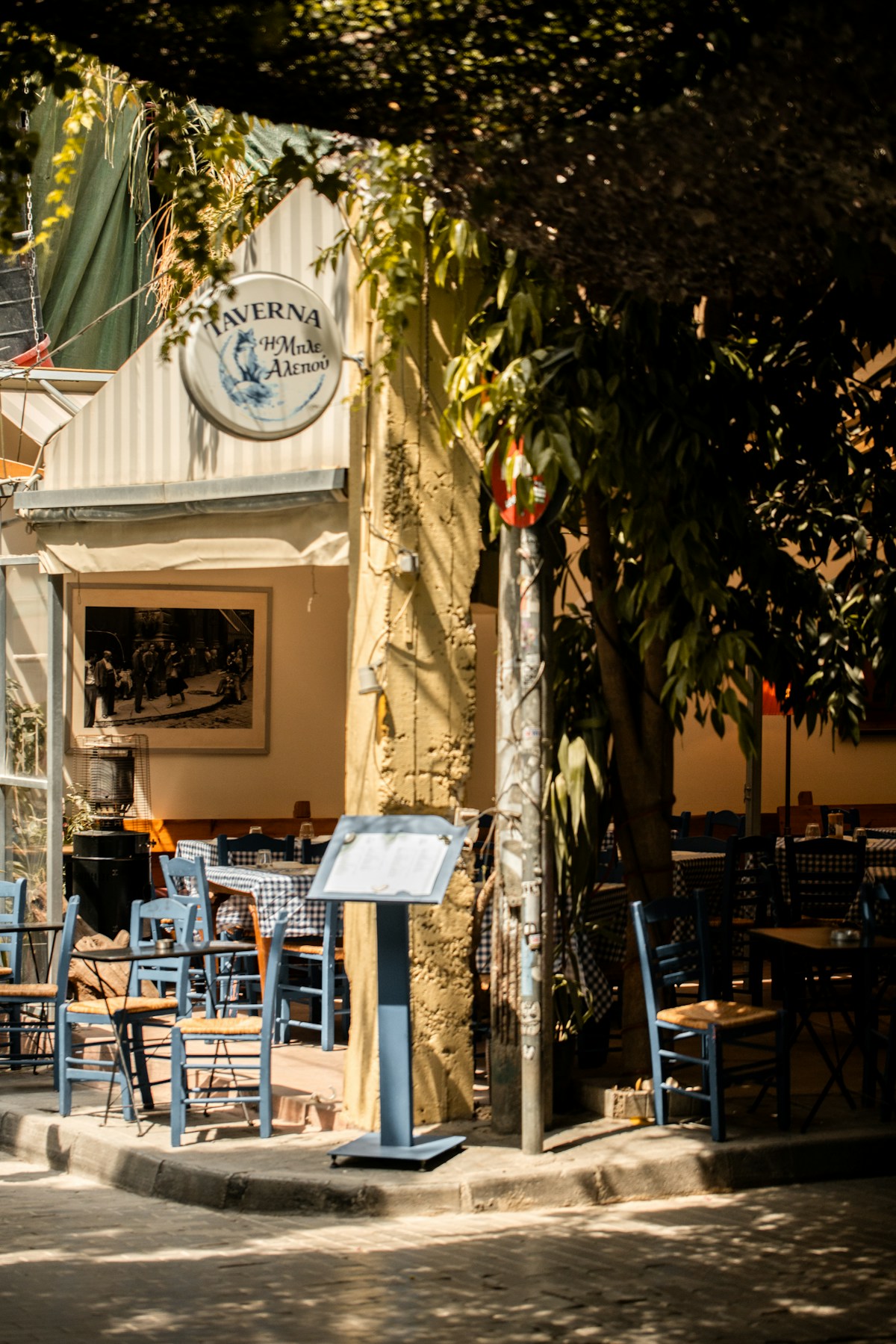
Meze is not a starter. Understanding that one thing changes how you eat across Greece. Mezedes - the plural - are a way of eating, not a course. You order a variety of small plates, share them across the table, drink slowly, and treat the meal as something that lasts two or three hours rather than an hour. A good meze spread builds from cold dips through grilled cheese and vegetables to seafood and finally meat, punctuated by refilled glasses of ouzo or local wine.
What Meze Actually Is
The word meze comes from the Persian and Turkish word for “taste” or “snack.” The concept arrived in Greece through centuries of Ottoman influence and cross-Aegean trade routes, and the Greeks developed it into something more elaborate and more leisurely than its origins suggest. A mezedopoleia - a restaurant dedicated to meze - typically serves nothing that requires a knife. Everything arrives on small plates, everything is designed to be shared, and the kitchen sends dishes out at its own rhythm rather than all at once.
The ritual matters as much as the food. In a proper taverna, you do not order everything at the start. You begin with cold dips and bread, then move to grilled vegetables and fried cheese as the drinks settle in, then seafood, and possibly a grilled meat dish to finish. The table evolves over an hour. You refill the bread. Someone orders another half litre of wine. The pace is the point.
The Essential Meze Dishes
Tzatziki is the flagship and also the most misunderstood. At its best - thick strained yoghurt, fresh cucumber pressed and drained, garlic, good olive oil, and dried dill or mint - it is nothing like the thin, watery version sold in supermarkets. Tzatziki should hold its shape when you spread it. Order it first and judge the kitchen by it.
Taramasalata divides tables. The authentic version is pale pink, almost beige - fish roe blended with soaked bread, lemon, and oil. It tastes of the sea without being aggressively fishy. The bright pink version sold in UK supermarkets uses dye. In Greece, if the taramasalata is neon pink, walk away.
Dolmades - stuffed vine leaves - come two ways: the cold version filled with rice, herbs, and lemon (dolmades yalantzi, meaning “false” dolmades because they contain no meat) is the meze version. Warm dolmades with minced lamb in avgolemono sauce are a different dish entirely, usually served as a main. For a meze table, you want the cold, acidic, herb-forward version.
Saganaki is the crowd pleaser. A thick slice of kefalograviera, kasseri, or halloumi is coated in flour and pan-fried until the exterior crusts and the interior becomes molten. Some restaurants flambée it with ouzo tableside and shout “Opa” - a gesture invented by a Chicago Greek restaurant in the 1960s, not something that happens naturally. The cheese is the thing, not the flames.
Spanakopita - spinach and feta in filo pastry - is everywhere. The version at a good mezedopoleia is made in-house with proper filo, buttered by hand, and baked to order. The frozen version (triangular, dense, available in every airport) bears little resemblance. When it is right, the pastry shatters and the filling is salty, herbaceous, and not too wet.
Fava is Santorini’s signature contribution to the meze table. Split yellow peas - traditionally from the island, where they grow a sweeter variety in volcanic soil - are slow-cooked and blended to a smooth, dense puree. It is served warm or at room temperature, finished with capers, raw red onion, and olive oil. Order it whenever you see it.
Htipiti (also spelled tirokafteri) is a spreadable dip of crumbled feta blended with roasted red peppers and chilli. The heat level varies significantly by kitchen - some are mild and sweet, some genuinely fiery. It is the natural pairing with grilled flatbread or horiatiko bread from the bread basket.
How to Order Meze
At a mezedopoleia, the waiter usually guides you through categories: cold starters, hot starters, vegetables, seafood, meat. Order two cold dishes for the table to start, add a hot dish when you order the first round of drinks, then reassess. The kitchen is not in a hurry and neither should you be.
At a standard taverna, the meze dishes appear in the starters section of the menu alongside soups. Order three or four per two people as a first wave. You can always add more.
Pace yourself on the dips. Three dips per two people is enough - they are richer than they look. Order one basket of bread initially and ask for more when you need it. Do not order everything at once.
The bill works on quantity, not set menus. Each plate is priced individually, typically EUR 4–9 for cold dips, EUR 7–14 for hot plates like saganaki or grilled vegetables, and EUR 10–18 for seafood meze.
Best Meze Restaurants in Athens
Rozalia (Valtetsiou 58, Exarchia) is the benchmark for old-school Athenian meze. The courtyard fills by 9pm with a mix of regulars and neighbourhood characters. The taramasalata, fava, and grilled peppers are all made in-house. Expect to pay approximately EUR 25–30 per person with wine. No reservations - arrive early or queue.
Klimataria (Plateia Theatrou 2, Psyrri) has been operating since 1927. It is not fashionable and does not pretend to be. The mezedes here - pickled vegetables, proper tzatziki, stuffed vine leaves - are genuinely traditional. The house wine comes in copper jugs. Budget around EUR 20–25 per person.
Café Avissinia (Kynetou 7, Monastiraki) is worth the tourist-adjacent location for its weekend morning mezedes brunches: taramosalata, htipiti, smoked eggplant, and grilled meats served from 10am on Saturdays and Sundays. Unique format in Athens.
Best Meze in Thessaloniki
Thessaloniki has a stronger meze culture than Athens, driven by its position as the gateway to northern Greece and its history as a cosmopolitan trading city. The custom of receiving free small plates with drinks - still practised in some older bars - makes Thessaloniki the natural base for exploring meze without spending heavily.
Myrsini (Proxenou Koromila 34, Ladadika) specialises in tsipouro-format meze: small plates arrive automatically with each round of tsipouro. The spreads include htipiti, smoked herring, pickled vegetables, and house-cured olives. Plan for EUR 15–20 per person including drinks.
To Makedonomacheion (Aristotelous Square area) serves northern Greek meze with regional character: melitzanosalata (smoked eggplant) made with wood-fire-roasted aubergine, kavourmas (preserved spiced meat), and bean dishes that reflect Macedonian mountain cooking. EUR 25–35 per person.
Take a Guided Meze Tour
The meze format is not self-explanatory from a menu - ordering well requires knowing which combination of dishes works together, what to ask for in what sequence, and how to navigate the kitchen’s daily specials versus the printed menu. Guided food tours that focus on Athens mezedes culture take you through the city’s best mezedopoleia (specialist meze restaurants), the ouzo bars of Monastiraki where meze plates are the format for an entire evening, and the market tavernas in Evripidou Street where the midday meze is the meal locals have eaten at noon for generations. In Thessaloniki, the meze tradition is even stronger - guided walks through Modiano market and Ladadika give you the cultural and historical context behind the city’s food culture in a way that just eating there doesn’t.
Browse Athens and Thessaloniki food tours and meze experiences → GetYourGuide
Meze in Mykonos
Mykonos is not a meze island - the restaurant scene runs more toward expensive seafood restaurants and international cuisine than authentic taverna culture. But there are exceptions.
Kiki’s Taverna (Agios Sostis beach) operates without a phone, reservations, or card payments. The meze plates - grilled vegetables, tzatziki, fresh salads - are secondary to the main grills, but the setting is the most authentically Greek food experience on an island that has largely abandoned that. Queue from noon; it closes when the food runs out, typically by 4pm.
For dedicated meze in Mykonos town, the back streets of Little Venice (away from the main waterfront restaurants) have two or three tavernas that run proper mezedes spreads in the evening. Expect to pay EUR 40–60 per person given the location premium.
The best advice for Mykonos is to treat the seafood tavernas in Ornos and Psarou as your meze destination: order multiple starters rather than a main, share everything, and eat slowly. The format translates even if the venue is not a dedicated mezedopoleia.
Book Athens food tours and meze experiences with GetYourGuide. Find hotels in Greece on Booking.com.