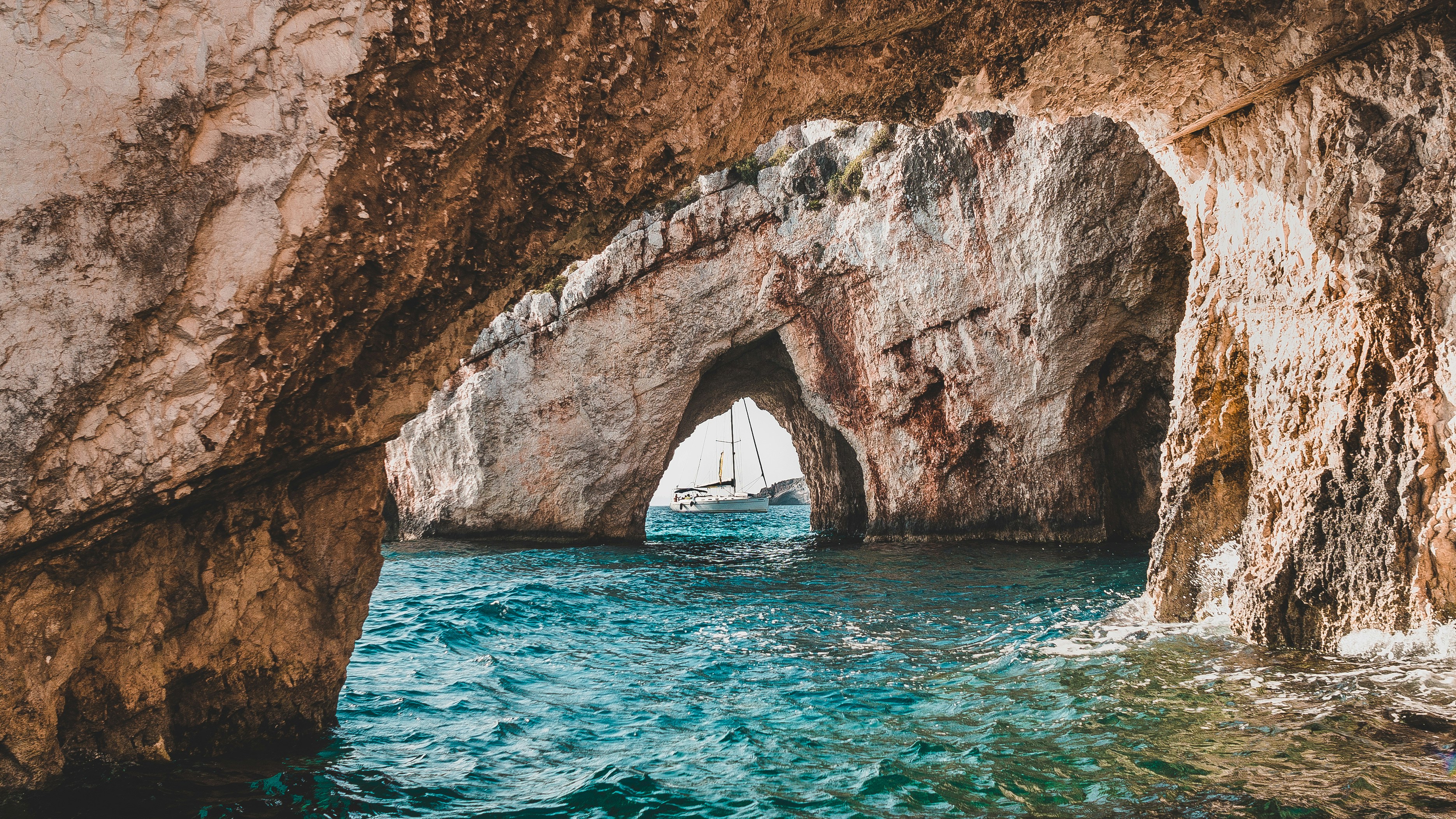
Zakynthos has a food identity shaped by the same forces that produced its architecture: the Italian connection (Venice ruled the Ionian Islands from the 14th century until Napoleon’s arrival in 1797), the fertility of the island’s interior, and the extraordinary quality of the surrounding Ionian Sea. The result is an island cuisine that leans sweeter and richer than Aegean Greek cooking, with more use of olive oil, more pasta influence, and a stronger tradition of slow-cooked meat dishes.
The island’s food scene divides geographically. Zakynthos Town (also called Zante) has the most concentrated good eating, from the harbour-front restaurants to the backstreet kafeneion. Argassi, just south of the town, has developed a strip of better tavernas catering to visitors who’ve graduated from the Laganas resort strip. The island’s interior villages - Keri, Gyri, Machairamo - offer genuine rural Zakynthian cooking at prices that feel disconnected from the coastal tourist economy.
Zakynthos Town: Best Restaurants
Andromachi Restaurant
On Zakynthos Town’s central square (Plateia Solomou), Andromachi has fed the island’s residents and visitors since the 1960s. The kitchen produces traditional Zakynthian cooking at a scale and consistency that comes from decades of practice: gemista (stuffed tomatoes and courgettes slow-cooked in olive oil), slow-roasted lamb, fresh grilled fish, and the island’s signature skordalia.
Mains approximately €12–20, as of 2026. This is not a destination restaurant - it’s a reliable workhorse with genuinely good home cooking. Order the daily specials rather than the printed menu.
Address: Plateia Solomou, Zakynthos Town.
Varkarola
On the harbour south of the central square, Varkarola specialises in the Ionian fish that makes Zakynthos worth visiting for seafood. The menu focuses on what came off the boats that morning - sea bream, scorpionfish, swordfish, fresh squid - and the kitchen keeps the preparation simple: grilled with olive oil and lemon, or baked with herbs and white wine.
Whole grilled fish approximately €55–80 per kilo, as of 2026. For a full seafood dinner for two (shared starters, a whole fish each, wine), budget €60–90. The harbour view is included. Ask the waiter which fish came in that morning rather than ordering blind from the menu.
Address: South Harbour, Zakynthos Town.
Malanos
Malanos is the most traditional restaurant in Zakynthos Town - a place that predates the tourist economy and continues to cook for an overwhelmingly local clientele. The daily menu rotates through the Zakynthian canon: rabbit with rosemary and wine, beef stifado, baked gigantes (giant beans in tomato sauce with herbs), seasonal salads with local greens.
Mains approximately €9–14. The lemon chicken here - slow-braised with lemon, garlic, and white wine - is a benchmark example of Ionian cooking. No reservations; arrive before 1:30pm for lunch or 8:30pm for dinner to avoid waiting.
Address: Agiou Dionysiou 38, Zakynthos Town.
Arekia
A few streets back from the harbour, Arekia draws a young local crowd with its mix of traditional Zakynthian dishes and updated taverna cooking. The menu includes a good selection of vegetable mezedes alongside the meat and fish dishes, and the kitchen handles the island’s olive-oil-heavy cooking style without drowning everything in fat.
The skordalia here - a thick, almost bread-like purée of potato, garlic, olive oil, and wine vinegar - is exceptional. Order it as a dip alongside grilled bread or as an accompaniment to the fried salt cod (bakaliaros), which is on the menu every Friday.
Mains approximately €11–18.
Address: Tertsetou 1, Zakynthos Town.
Argassi and South Coast
Lofos tou Strani
On the hill above Zakynthos Town near the Strani Hill viewpoint (where the poet Dionysios Solomos reportedly wrote the Greek national anthem while watching Navarino Bay), this hilltop taverna serves traditional Zakynthian food with one of the best views on the island. The cooking is straightforward but well-sourced: local lamb, fresh Ionian fish, island cheeses.
The view over the town, the island’s western coast, and the mainland on clear days is the primary reason to come at sunset. Mains approximately €13–20. Booking recommended for evening tables with the best view positions.
Address: Strani Hill, above Zakynthos Town. Access via a short path from the upper town.
To Steki tou Ilia (Argassi)
Argassi’s best traditional restaurant, positioned slightly back from the beach strip, serves Zakynthian home cooking to a mixed local-and-visitor crowd. The roast lamb with potatoes on Sundays is cooked from 8am and is worth planning your day around: slow-roasted until the meat falls from the bone, served with roasting juices and fresh bread.
Weekday menu focuses on grilled meat and fish, stuffed vegetables, and the island’s better pasta dishes. Mains approximately €10–16. Cash preferred.
Address: Main road, Argassi, 3km south of Zakynthos Town.
Interior Villages
Taverna Oasis (Keri Village)
Keri, a hilltop village in the south of the island above the famous tar springs, has a handful of village tavernas that serve Zakynthian rural cooking to a weekend crowd of island residents. Taverna Oasis is the most consistent: roasted goat with mountain herbs, local honey drizzled on fresh cheeses, and whatever vegetable came from the village gardens that day.
Prices reflect the village economy - mains approximately €8–13. The local Verdea wine is poured from unlabelled bottles at €5–7 for a 500ml carafe. This is the least expensive good food on Zakynthos.
Address: Main square, Keri village, 22km from Zakynthos Town.
Zakynthian Specialties to Order
Skordalia - A thick purée of potato (or sometimes stale bread), garlic, olive oil, and white wine vinegar. Zakynthos makes it particularly well - the island’s own olive oil is sweet and grassy, and the ratio of garlic here is higher than you’ll find on the mainland. Order it as a side dish or dip with any fried fish.
Sofrito Zakynthian style - Unlike the Corfiot version (which uses veal), Zakynthos makes sofrito with pork or chicken as often as beef. The spicing is slightly different - more thyme, less parsley - and the sauce tends to be deeper and richer. Every family on the island has a slightly different recipe.
Gemista - Stuffed tomatoes and courgettes baked in olive oil with rice, herbs, and sometimes minced meat (or vegetarian with just herbs and rice). The Zakynthian version uses more cinnamon and allspice than mainland Greek versions, reflecting the Venetian spice trade influence.
Mandolato - The island’s most famous sweet: a firm nougat made from honey, egg whites, and almonds, with a harder texture than the soft nougat found elsewhere in Greece. Made primarily in Zakynthos Town, it’s sold in paper-wrapped blocks at confectionery shops and is the standard souvenir people take home. Not all mandolato is the same - the better producers use Zakynthian honey, which has a distinctive thyme-and-herb character.
Verdea wine - The most distinctive local wine, an amber-coloured white made by oxidative ageing (similar in some ways to a light sherry). Dry, nutty, with flavours of dried apricot and almonds. Served chilled, it works surprisingly well with the richer fish and meat dishes. Ask at any restaurant serving local wine - not every venue stocks it, but those that do are generally more serious about their Zakynthian food identity.
Take a Guided Food Tour of Zakynthos
Zakynthos has a food culture shaped by four centuries of Venetian occupation - sofrito, mandolato nougat, Verdea wine, and the island’s specific approach to fish and olive oil all reflect that history. A guided food tour of Zakynthos Town connects the traditional confectionery shops making mandolato, the tavernas in the backstreets serving genuine Venetian-influenced dishes, and the local wine producers whose Verdea and Robola varieties are otherwise hard to find outside the island. Most visitors eat on the tourist waterfront promenade and miss the real food entirely - a guide is the most efficient way around that.
Browse Zakynthos food tours and culinary experiences → GetYourGuide
Ordering Tips
The Zakynthian lunch tradition is strong: kitchens open at noon and the best tables fill by 1pm. The island operates on a later dinner schedule than northern European visitors expect - 8pm is early, 9:30pm is the normal dinner hour for residents.
Beachfront restaurants on Laganas Bay and Kalamaki operate at a different price and quality register than town restaurants. The setting (clear sea, beach access) is pleasant, but the cooking is aimed at tourists who won’t be back tomorrow. Go for a drink and a swim, not for the food.
The island’s fish is genuinely excellent - the Ionian Sea is colder and less fished than the Aegean, and the variety and size of what comes off the boats at Zakynthos Town harbour is impressive. If you’re inland for more than a day or two, make a point of eating at a harbour-front fish taverna at least once. Ask what came in that morning; this question takes three seconds and significantly improves what you eat.
Book Zakynthos food tours and local experiences with GetYourGuide. Find hotels in Zakynthos on Booking.com. Pick up a Greece eSIM before you fly. Cover your trip with travel insurance for Greece.