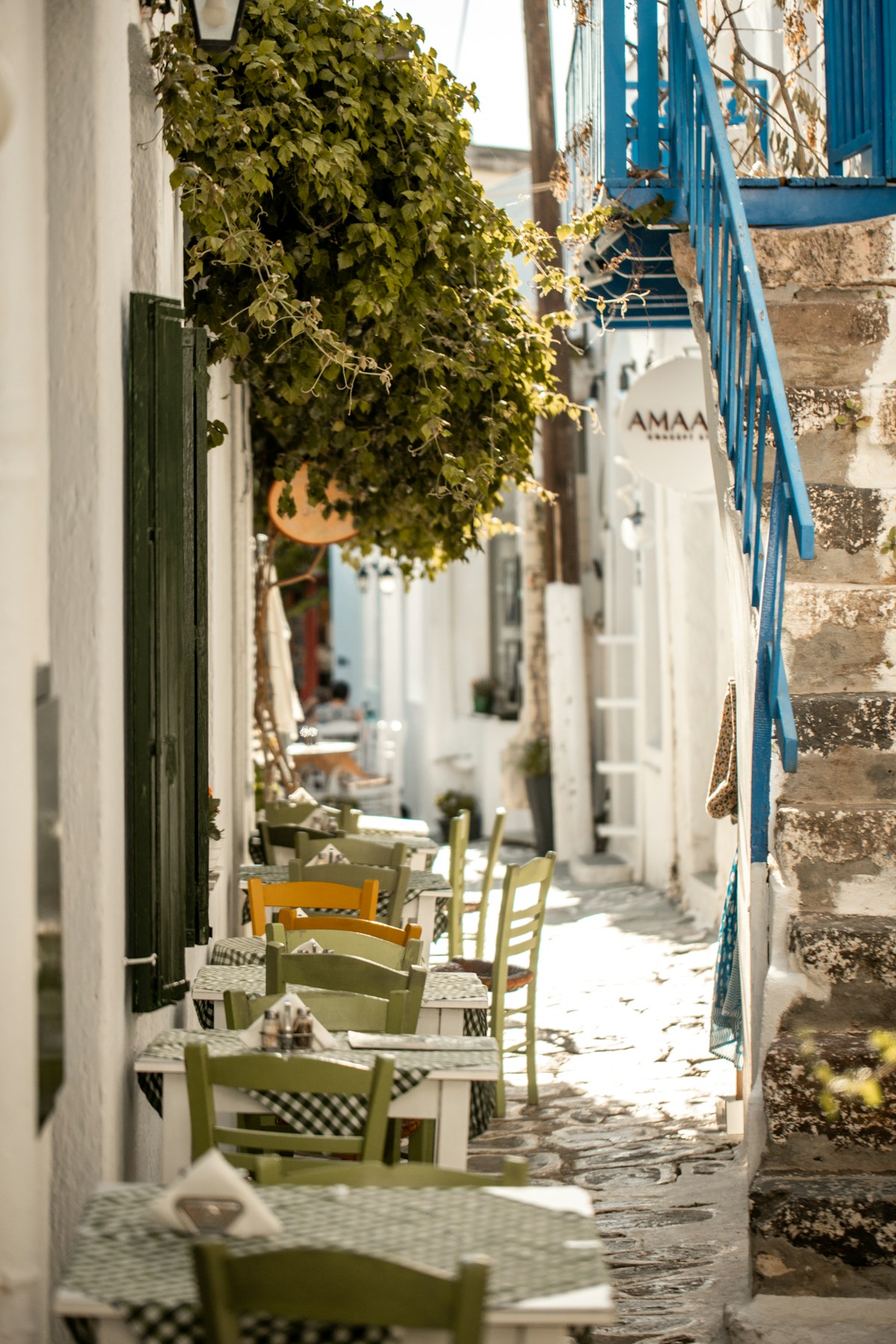
Eating vegan on the Greek islands is not difficult - but it does vary significantly by island. Crete and Santorini have strong vegan infrastructure; quieter islands like Folegandros or Ikaria operate on traditional seasonal cooking where plant-based eating means navigating a taverna menu rather than finding a dedicated restaurant. This guide goes island by island so you know exactly what to expect before you arrive.
Crete
Crete is arguably the easiest Greek island for vegan eating. The Cretan diet is famously plant-forward - olive oil, wild greens, dried legumes, and seasonal vegetables have defined local cooking for centuries. The traditional Cretan diet predates the modern concept of plant-based eating by several generations.
What to eat on Crete:
- Stamnagathi - wild chicory, a bitter green unique to Crete, blanched and dressed with lemon and olive oil. Found in village tavernas across the island.
- Dakos - Cretan barley rusk topped with crushed tomato, olive oil, and dried oregano. Order it without cheese (“horis tyri”) for a vegan version.
- Boureki - a Cretan potato and courgette pie that traditionally includes mizithra cheese; vegan versions exist in some bakeries.
- Gigantes plaki - large white beans in tomato sauce, found everywhere.
- Slow-braised broad beans (koukia) - a spring dish, entirely plant-based when cooked the traditional way.
In Heraklion: The market street (Odos 1866) near the old harbour has produce stalls, olive sellers, and small eateries where a plate of horta and bread costs under €5. Several cafes in the centre now offer oat milk.
In Chania: The old harbour area is touristy and prices reflect it. Better plant-based food is found a few streets back in the residential areas - look for tavernas where the menu is written by hand and the vegetables section is long.
In Rethymno: Similar to Chania but slightly less tourist-oriented. The old town has several mezedopoleia where vegetable dishes and legume stews dominate the menu in summer.
Santorini
Santorini has two significant advantages for vegan visitors: it produces its own unique variety of split pea (the Santorini fava is a protected designation product), and its heavy tourist traffic has made most restaurants there highly attuned to dietary requirements.
Fava from Santorini is one of the finest plant-based dishes in all of Greece. The local yellow split peas, grown in the island’s volcanic soil, produce a purée with a distinctive sweet, earthy flavour. Order it everywhere - most restaurants serve it as a starter for around €7–10.
Other good picks on Santorini:
- Tomato keftedes (tomato fritters) - a Santorini speciality. The traditional recipe is entirely vegan: local tomatoes, flour, onion, mint, and dried herbs, fried in olive oil. Around €7–9.
- White aubergine - Santorini’s local variety, milder and sweeter than standard aubergine, often grilled or roasted simply.
- Capers and caper leaves - grown on the island’s volcanic rock, used as garnishes and in salads. Available from local shops to take home.
In Fira and Oia: Tourist-facing restaurants are generally good at accommodating vegan requests. Staff speak excellent English and many menus include specific vegan sections. Prices are high by Greek standards: expect €12–18 for a main, more at cliff-side restaurants.
Budget tip: The supermarket in Fira and the small bakeries away from the main tourist drag sell spanakopita and other pastries at regular Greek prices. Stock up here for hike days.
Mykonos
Mykonos is the most internationally oriented island in Greece, which has both advantages and drawbacks for vegan eating. The advantages: restaurants are highly attuned to diverse dietary requirements and many now include dedicated vegan sections on their menus. The drawback: prices are high even by Greek standards.
Where to eat on Mykonos:
- Little Venice area - several restaurants here now include specifically labelled vegan options. Good for a sit-down meal with a view; budget approximately €15–20 for mains.
- Mykonos Town (Chora) backstreets - smaller, less expensive restaurants one or two streets back from the main drag. Better value for traditional Greek vegetable dishes.
- The old port area - simpler fish tavernas, but many serve excellent horta, gigantes, and salads as sides.
The local bakery scene in Mykonos Town has improved significantly. Several bakeries now offer vegan labelled pastries and good filter coffee alongside standard Greek breakfast items.
Naxos
Naxos is the largest and most agriculturally productive of the Cyclades. The interior of the island grows potatoes, courgettes, aubergines, and citrus, and the local food is accordingly diverse and fresh.
Naxos for vegans:
The island is known for dairy products (Naxian cheese is famous), so traditional tavernas often default to dairy-heavy dishes. The vegetable dishes, however, are excellent. The Naxian potato is a specifically protected product - unusually dense and flavourful. Look for dishes where it appears: braised with tomatoes and olive oil, or simply roasted.
In Naxos Town (Chora): Several cafes in the old Venetian town now offer oat milk and vegan cake options. The morning market near the port is a good place to stock up on local vegetables and fruit.
In Apeiranthos village (inland): One of the most beautiful villages in the Cyclades, with small traditional tavernas where the menu is entirely seasonal and vegetable-focused in summer. Fewer tourists, no English menus, very good food.
Paros
Paros is increasingly popular with a younger, health-conscious traveller demographic and the restaurant scene reflects this. Several cafes in Parikia (the main town) and Naoussa have vegan menus or clearly labelled vegan sections.
In Parikia: The small streets around the Panagia Ekatontapiliani church have several good cafe-restaurants. Look for Cafe Distrato and similar neighbourhood spots with hand-written menus - the seasonal vegetable dishes here are reliable.
In Naoussa: More upmarket and tourist-oriented. Several restaurants have adapted to international dietary requirements. The fish is excellent if you eat it; the vegetable options are generally well-executed even if not the main focus of the menu.
Between the two: The road between Parikia and Naoussa passes through the interior of the island where small traditional tavernas serve food that varies almost daily based on what has been grown or foraged. These are the best places to eat in Paros.
Rhodes
Rhodes has a more complex culinary identity than the Cyclades - Ottoman, Italian, and Greek influences have all shaped the local food. For vegan visitors, this is mostly positive: a broader range of base ingredients and preparation styles.
In Rhodes Old Town: The atmospheric medieval streets have a range of restaurants from tourist-oriented to genuine local spots. The small family tavernas in the quieter parts of the old town are the most reliable for traditional vegetable mezedes.
In Lindos: Very tourist-heavy and prices reflect it. Salads and mezedes are available everywhere but vegetable-focused dishes are less prominent than in Crete or the Cyclades. Worth a visit for the architecture and the view; less impressive for plant-based food specifically.
Rhodian specialities to look for:
- Pitaroudia - chickpea fritters with onion and herbs, a Rhodes speciality. Often fully vegan.
- Melekouni - a traditional sweet made from sesame and honey (not vegan but worth knowing about as it appears frequently as a local gift).
Corfu
Corfu’s Venetian and British colonial history has left it with a slightly different culinary tradition than mainland Greece. Several restaurants, particularly in Corfu Town (Kerkyra), now explicitly cater to vegan diets.
Sofrito and pastitsada - the two most famous Corfu dishes both contain meat. Vegan eating on Corfu means focusing on the excellent mezedes.
In Corfu Town: The Liston promenade and the old town have several cafe-restaurants with vegan options. The old Jewish quarter area has smaller, more traditional spots.
On the north coast (Kassiopi, Roda): More resort-oriented, with the usual mix of tourist restaurants. The local supermarkets stock basics well.
Smaller Cycladic Islands
Sifnos - famous in Greece for revithada, a chickpea soup cooked overnight in clay pots in the communal wood-fired oven. Entirely vegan and extraordinary. The island has a strong culinary reputation; the chickpea dishes here are worth the trip alone.
Folegandros - small, relatively unspoiled, and with a limited but excellent restaurant scene. The focus is on seasonal ingredients and the vegetable dishes are simply and well prepared. Less likely to encounter specifically labelled vegan options; more likely to find excellent food that happens to be plant-based.
Milos - strong on seafood but also good for plant-based food. The area around Pollonia in the north has small restaurants with fresh seasonal menus. Milos capers and caper leaves are available in local shops.
Ikaria - an island famous for its extraordinary longevity statistics, which are attributed in part to a traditional diet heavy in legumes, wild greens, olive oil, and vegetables. Eating vegan on Ikaria is a direct encounter with one of the world’s most studied healthy diets.
General Tips for Vegan Island Eating
Ask about the daily specials. In smaller islands and traditional tavernas, the best plant-based food is often not on the printed menu but available as a daily dish based on what was delivered that morning from the local market or garden.
The word nistisimo (fasting-compliant) is useful on smaller islands where vegan as a concept may not be widely understood. Fasting food means no meat, fish, dairy, or eggs.
Carry nuts and fruit for ferry journeys. Ferry cafeterias are not vegan-friendly; the food is expensive and overwhelmingly meat and cheese based. Pack food for journeys longer than two hours.
Evening timing. Island restaurants, especially in smaller locations, often only open for dinner from 7pm or 8pm. Lunch is not always served. Check this on arrival to avoid being caught without options in the middle of the day.
Farmers’ markets. Almost every island town has a weekly farmers’ market (laiki) where fresh produce is sold at very low prices. Finding out when and where yours is happens will be one of the best things you do for your food budget.
For a deeper look at the traditional Greek plant-based dishes that underpin island cooking, see our full Greece vegan food guide. For guided food and market tours across the islands, browse Greece tours - many operators offer small-group experiences focused on local cuisine and producers.