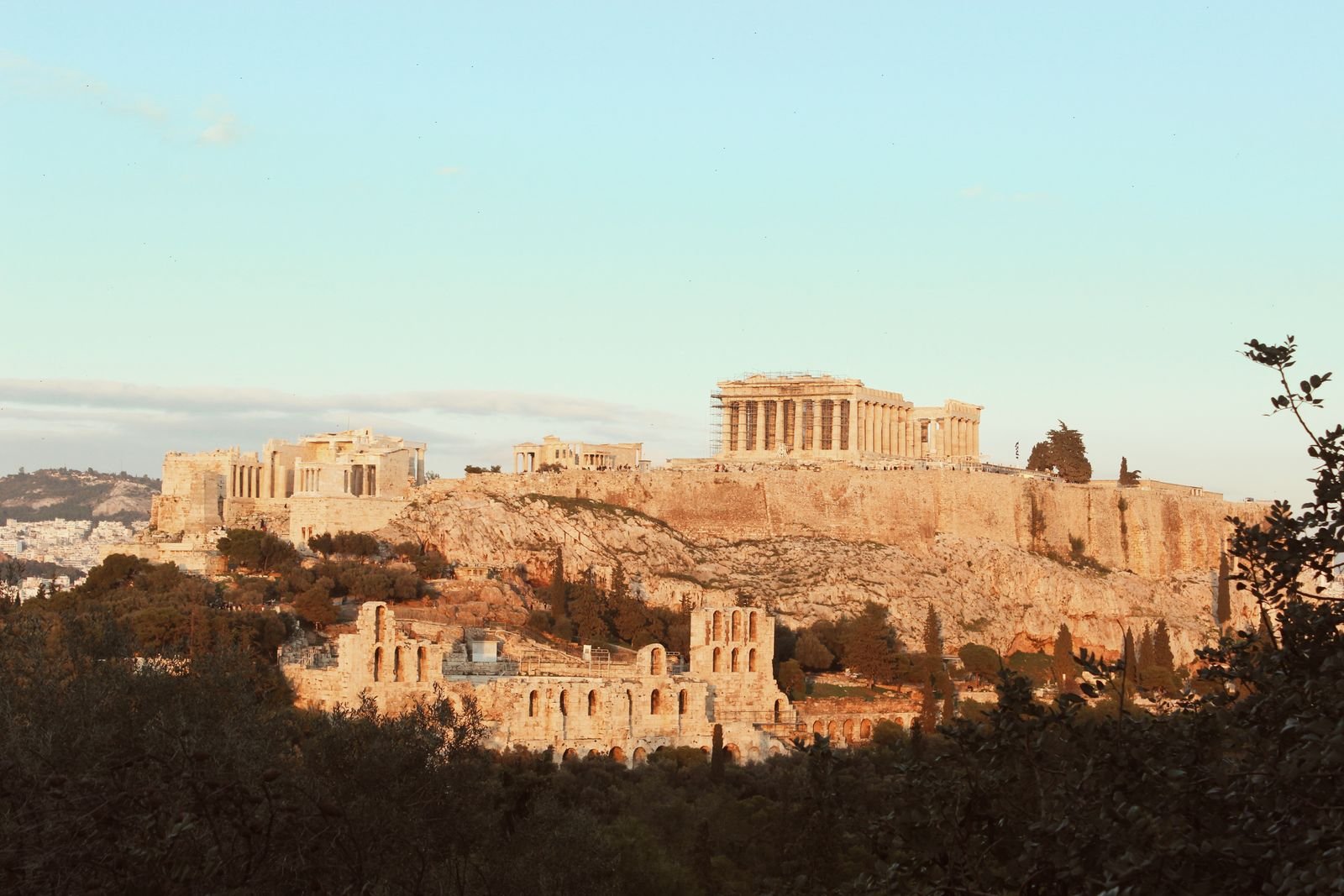
The Acropolis Museum is where the surviving originals of the Acropolis live. The hill itself holds mostly copies and empty plinths; the sculptures that make the site famous, including the Caryatids and the Parthenon frieze, are in this glass-and-concrete building on Dionysiou Areopagitou Street, about 300 metres from the foot of the rock. We think it is the best museum in Athens and the one that makes the Acropolis make sense.
This page covers tickets, hours, what to see on each level, and how to combine it with the hill. For the monument itself, see our Acropolis tickets and visitor guide.
Tickets and Prices
As of 2026, general admission is €20 and reduced admission is €10 (eligible EU students and over-65s; bring ID). There is no seasonal price change. Children under 5 and visitors with disabilities enter free. Prices and concessions change, so confirm them on the official Acropolis Museum website before you go.
The museum ticket is not part of the Acropolis hill ticket (€30 as of 2026, sold at hhticket.gr), so budget for both. You can buy online and skip the desk queue, which matters in July and August. If you want a guide, Acropolis Museum and Acropolis tours in Athens cover both sites, and Tiqets sells timed museum entry.
Opening Hours
Hours vary by day and season, and the published schedules we found disagree on details, so check the official site for your date. As a guide, expect roughly 9am to 8pm on most days, a later close on Fridays (up to 10pm in summer), and shorter hours on Mondays. The museum closes or shortens hours on some public holidays, so check Easter and Christmas dates in particular. Last entry is shortly before closing.
The quietest time is the first hour after opening, or Friday evening when the late opening thins the tour groups.
Floor-by-Floor Highlights
Ground floor and the excavation level
You enter over a glass floor that looks down onto an excavated Roman and Byzantine neighbourhood, the foundations of houses, baths and workshops found when the site was prepared. Walk through it, not just over it. The ground-floor gallery of the Slopes of the Acropolis holds finds from the sanctuaries on the south slope, including votive offerings and pottery.
First floor: the Archaic Gallery
A tall, open hall of 6th-century BC sculpture: the Moschophoros (calf-bearer), the Kore statues and the weathered pediments from the old temples destroyed in the Persian sack of 480 BC. Many of the Korai still show traces of paint. This is the gallery most visitors rush; slow down here.
Second floor: the Caryatids and the Propylaia
The five original Caryatids from the Erechtheion stand together here, with a sixth, removed by Lord Elgin, now in the British Museum, and a cast filling the gap. Nearby are the surviving reliefs of the Temple of Athena Nike and material from the Propylaia. Windows give direct views of the Acropolis itself.
Third floor: the Parthenon Gallery
The top floor is the reason to come. It is built to the exact dimensions and orientation of the Parthenon, so the frieze runs around you at the height and angle it once had. Original panels sit beside white plaster casts of the pieces held in London, and the gaps are deliberate. Allow at least an hour. You can see the Parthenon itself through the glass wall, and a short film in the gallery explains the pediments and metopes. For the history of the sculptures and the dispute over their return, see our Acropolis guide.
Combining the Museum with the Acropolis
The most efficient plan is a single day with the hill first. Book the 8am Acropolis slot, spend about two hours on the rock, then walk 10 minutes downhill to the museum for 2 to 3 hours and lunch. The Acropolis metro station (Line 2) sits right next to the museum entrance. If you only have one half day, do the museum first and the hill late afternoon, when the light is better and tour groups have left. Our 3 days in Athens itinerary uses this sequence, and the Athens city guide shows what is nearby in Plaka and Makrygianni.
Accessibility
The museum is among the most accessible major sites in Greece: step-free entrance, lifts to every level, accessible toilets, seating in the galleries and wheelchair loans on request. Strollers are allowed. Large bags go in the cloakroom. Ask at the information desk about audio and tactile provision.
Cafe and Restaurant Terrace
The top-level restaurant and the cafe terrace are open to ticket holders and face the Parthenon directly, which is the best seat in the area for the price of a coffee. Expect museum-cafe prices (a coffee from about €4 to €5, a light lunch from about €15, as of 2026). The terrace gets busy at sunset on Fridays, so reserve if you plan dinner there. For other options nearby, see our guide to where to stay in Athens for the best bases within walking distance.
Practical Tips
- Wear comfortable shoes; the glass floors can be slippery when wet.
- Use the museum as your midday escape from the heat: it is air-conditioned.
- Combine with a walk along Dionysiou Areopagitou toward Thissio for views of the hill.
- Prices and hours are approximate as of 2026; check the official site close to your visit.