Greece’s climate divides broadly into a Mediterranean zone covering the islands and the south - hot, dry summers with mild, wetter winters - and a continental zone further north, where temperatures drop more sharply in winter and rainfall is heavier year-round. The following guide covers the key regions, month by month.
Greece Climate by Region
Athens and the Attica Peninsula: Mediterranean. Hot, dry summers; mild winters. Snow in the city is rare.
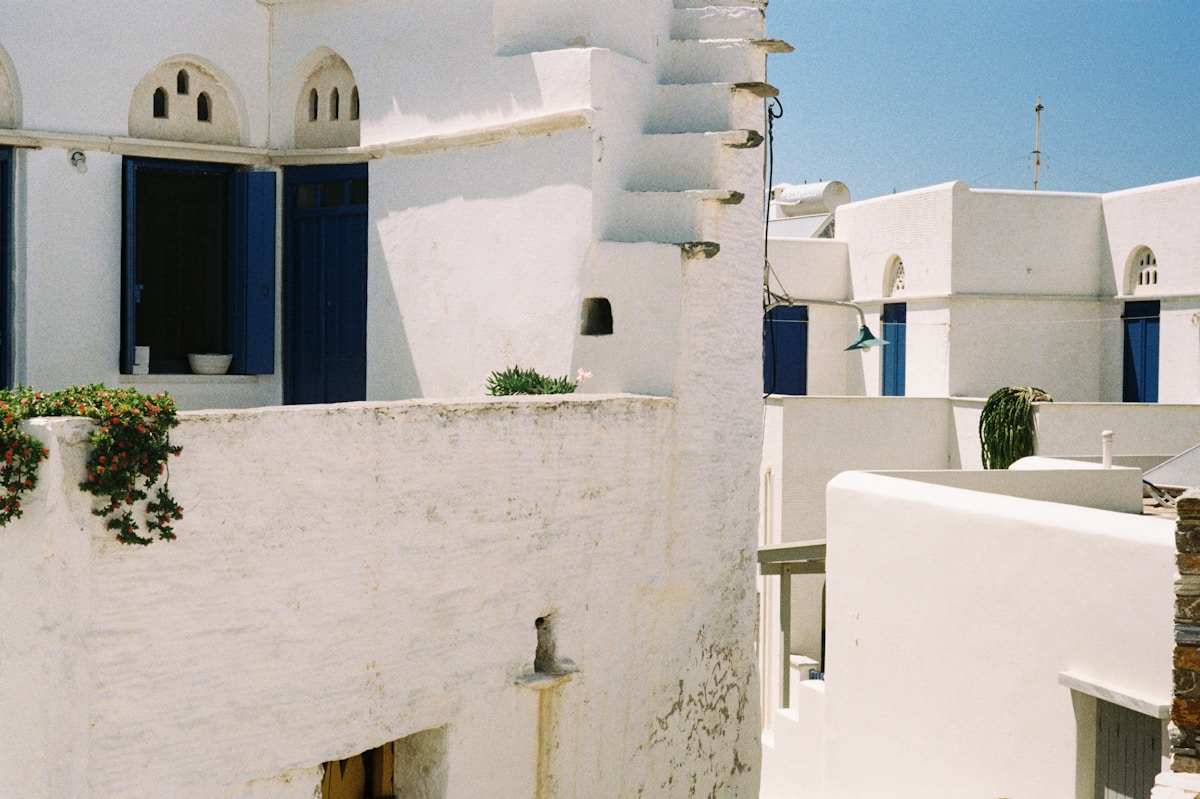
The Cyclades (Mykonos, Paros, Santorini, Naxos, Milos): Pure Mediterranean, moderated by sea breezes. The meltemi wind dominates July–August.
Crete: Similar to the Cyclades but with slightly higher winter rainfall in the west (Chania). Snow appears on the White Mountains above about 1,800m from December–March.
The Ionian Islands (Corfu, Kefalonia, Lefkada): Mediterranean but notably wetter than the Aegean. Corfu is the greenest island in Greece, largely because of winter and spring rainfall.
The Dodecanese (Rhodes, Kos): Very similar to Cyclades. Slightly hotter in summer and with a longer swimming season.
Northern Greece (Thessaloniki, Macedonia, Epirus): More continental. Cold winters (Thessaloniki can drop below freezing), warm-hot summers. Epirus (Ioannina) is wetter and cooler than the coast.
Month-by-Month Athens Weather
| Month | Avg High (°C) | Avg Low (°C) | Rainfall (mm) | Sea Temp (°C) | Notes |
|---|---|---|---|---|---|
| January | 13 | 6 | 48 | 16 | Cool; museums busy but hotels cheap |
| February | 14 | 7 | 40 | 15 | Still cool; almond blossom starts |
| March | 17 | 9 | 35 | 15 | Warming; Athens good for sightseeing |
| April | 21 | 13 | 25 | 17 | Pleasant; Easter often here |
| May | 26 | 17 | 18 | 19 | Good beach weather starts |
| June | 31 | 21 | 8 | 22 | Hot; low humidity; comfortable |
| July | 34 | 23 | 5 | 24 | Peak heat; low rain |
| August | 33 | 23 | 8 | 25 | Peak season; very hot |
| September | 29 | 20 | 13 | 24 | Excellent; warm sea; calmer |
| October | 23 | 15 | 42 | 22 | First rains; warm enough for sea |
| November | 17 | 11 | 60 | 19 | Cooler; off-season rates begin |
| December | 14 | 8 | 62 | 17 | Cool; festive atmosphere in Athens |
Search hotels in Greece on Booking.com
Month-by-Month Cyclades Weather (Mykonos / Santorini / Paros)
| Month | Avg High (°C) | Avg Low (°C) | Rainfall (mm) | Sea Temp (°C) | Notes |
|---|---|---|---|---|---|
| January | 13 | 9 | 55 | 16 | Many hotels and ferries reduced |
| February | 13 | 9 | 50 | 15 | Off-season; very quiet |
| March | 15 | 10 | 40 | 15 | Beginning of shoulder season |
| April | 18 | 13 | 25 | 16 | Calm; ideal for photographers |
| May | 23 | 16 | 15 | 18 | Good sailing and hiking |
| June | 28 | 20 | 6 | 22 | Meltemi starts; excellent swimming |
| July | 30 | 22 | 3 | 24 | Peak: crowds, prices, meltemi strong |
| August | 30 | 23 | 4 | 25 | Peak season; meltemi can gust Force 6 |
| September | 27 | 20 | 10 | 24 | Ideal: warm, quieter, sea perfect |
| October | 22 | 16 | 30 | 22 | Shoulder; some businesses close |
| November | 17 | 13 | 70 | 20 | Off-season; many hotels closed |
| December | 14 | 10 | 80 | 17 | Ferry schedules reduced |
The meltemi: This strong, dry north wind is the defining weather feature of Cyclades summers. It typically starts around mid-June and runs until early September, most intense in July–August. During a meltemi event, expect sustained Force 4–5 winds with gusts to Force 6–7 on exposed stretches. Ferry services can be delayed or cancelled; exposed beaches become difficult for swimming. North-facing terraces are uncomfortable; sheltered south-facing coves are a relief.
Month-by-Month Crete Weather (Heraklion / Chania)
| Month | Avg High (°C) | Avg Low (°C) | Rainfall (mm) | Sea Temp (°C) | Notes |
|---|---|---|---|---|---|
| January | 15 | 9 | 90 | 16 | Rains common in Chania; mild |
| February | 16 | 9 | 75 | 15 | Off-season; Knossos uncrowded |
| March | 18 | 11 | 55 | 15 | Spring flowers; Gorge opening |
| April | 21 | 14 | 30 | 16 | Samaria Gorge opens (usually April) |
| May | 25 | 17 | 18 | 19 | Ideal: warm, green, fewer crowds |
| June | 29 | 21 | 5 | 22 | Busy but manageable |
| July | 32 | 23 | 2 | 24 | Very hot; Samaria best early morning |
| August | 32 | 24 | 3 | 25 | Peak season; book everything in advance |
| September | 29 | 21 | 10 | 24 | Excellent all round |
| October | 24 | 17 | 40 | 22 | Warm; gorge still open |
| November | 19 | 13 | 80 | 20 | Quieting down; some rain |
| December | 16 | 10 | 100 | 17 | Wet; scenic; almost no tourists |
The Samaria Gorge (Europe’s longest navigable gorge) typically opens in April, closing in October when flash-flood risk returns. Check current opening status at chaniaregion.gr before visiting.
Month-by-Month Ionian Islands Weather (Corfu / Kefalonia)
| Month | Avg High (°C) | Avg Low (°C) | Rainfall (mm) | Sea Temp (°C) | Notes |
|---|---|---|---|---|---|
| January | 12 | 7 | 140 | 15 | Wettest month; green and beautiful |
| February | 13 | 7 | 110 | 14 | Still wet; few tourists |
| March | 15 | 9 | 80 | 14 | Warming; almond and Judas trees bloom |
| April | 19 | 12 | 60 | 15 | Shoulder season; pleasant |
| May | 23 | 15 | 35 | 17 | Good weather; green hills |
| June | 28 | 19 | 14 | 21 | Sailing season in full swing |
| July | 31 | 21 | 8 | 23 | Warm and dry; Myrtos beach excellent |
| August | 31 | 22 | 12 | 24 | Peak; book ferries and hotels early |
| September | 27 | 19 | 28 | 23 | Ideal: warm, sea excellent, quieter |
| October | 22 | 15 | 75 | 21 | First rain; still warm enough to swim |
| November | 16 | 11 | 130 | 18 | Rainy season begins |
| December | 13 | 8 | 150 | 16 | Wettest alongside January |
Corfu is significantly wetter than the Aegean islands - it receives around 1,000mm of rainfall annually, mostly November–April. This is why the island is so green; olive groves and cypress trees cover almost every hillside. In summer, the Ionian is reliably sunny with lighter, more predictable winds than the Cyclades - ideal for sailing novices.
Month-by-Month Rhodes and Dodecanese Weather
| Month | Avg High (°C) | Avg Low (°C) | Rainfall (mm) | Sea Temp (°C) | Notes |
|---|---|---|---|---|---|
| January | 14 | 9 | 95 | 17 | Quiet; some rain; warm by island standards |
| February | 14 | 9 | 75 | 16 | Off-season |
| March | 17 | 11 | 50 | 16 | Spring flowers; beaches empty |
| April | 20 | 14 | 25 | 17 | Good for ruins and walking |
| May | 24 | 17 | 12 | 19 | Excellent |
| June | 29 | 21 | 4 | 22 | Hot and dry; very appealing |
| July | 32 | 23 | 2 | 25 | Peak; very hot; full beaches |
| August | 32 | 23 | 2 | 26 | Same as July; hottest water |
| September | 29 | 20 | 10 | 25 | Ideal: hot, less crowded |
| October | 24 | 17 | 38 | 23 | First rain; warm; still swimmable |
| November | 19 | 13 | 80 | 21 | Rain increasing; quieter |
| December | 15 | 10 | 105 | 18 | Off-season; some culture tourists |
Rhodes has one of the longest swimming seasons in Greece. The sea stays above 20°C from May through November, and double-digit daily temperatures mean the island receives a trickle of visitors even in mid-winter.
Thessaloniki and Northern Greece Weather
| Month | Avg High (°C) | Avg Low (°C) | Rainfall (mm) | Notes |
|---|---|---|---|---|
| January | 8 | 2 | 42 | Cold; occasional snow |
| February | 10 | 3 | 38 | Still cold; quieter city |
| March | 14 | 7 | 40 | Warming; spring feels distant |
| April | 19 | 11 | 40 | Pleasant; museums uncrowded |
| May | 24 | 15 | 42 | Good for city visits |
| June | 29 | 19 | 30 | Hot; Thessaloniki beaches busy |
| July | 32 | 22 | 22 | Very hot; humid near sea |
| August | 32 | 22 | 20 | Peak |
| September | 27 | 18 | 32 | Excellent |
| October | 20 | 13 | 50 | First real rain |
| November | 13 | 8 | 62 | Cool and rainy |
| December | 9 | 4 | 58 | Cold; potential snow |
Ioannina and the Epirus mountains (Zagori) are notably cooler and wetter than coastal northern Greece. Meteora - the monastery rock formations - is dramatic in all seasons and particularly atmospheric in winter mist or light snow.
Quick Comparison: Best Months by Purpose
| Purpose | Best Months |
|---|---|
| Beach swimming (Cyclades) | June, September |
| Hiking (Samaria Gorge, Pelion, Zagori) | May, October |
| Athens sightseeing | March–May, October |
| Sailing (Ionian) | May–June, September |
| Sailing (Cyclades) | May, September |
| Peak sun and warmth | July–August |
| Budget travel (low crowds) | November–March (mainland) |
| Photography | April–May, October |
The bottom line: May and September are the months that consistently deliver warm weather, swimmable sea, manageable crowds, and lower prices. July and August deliver the highest temperatures but also the highest prices, the most tourists, and - in the Cyclades - the strongest winds.
Book tours and activities across Greece with GetYourGuide. Pick up a Greece eSIM before you fly - keeps you connected without roaming charges. Sort out travel insurance for Greece before you leave.
Plan Around the Weather
- Best Time to Visit Greece - month-by-month breakdown including events and festivals
- One Week in Greece Itinerary - timed for May or September
- Greek Island Hopping Itinerary - includes ferry season timing
- Greece Packing List - what to bring for each season
- Greece with Kids - best months for family travel
Plan Your Trip
✈️ Book your flights to Greece 🛡️ Get travel insurance 📱 Stay connected with an eSIM 🚗 Rent a car