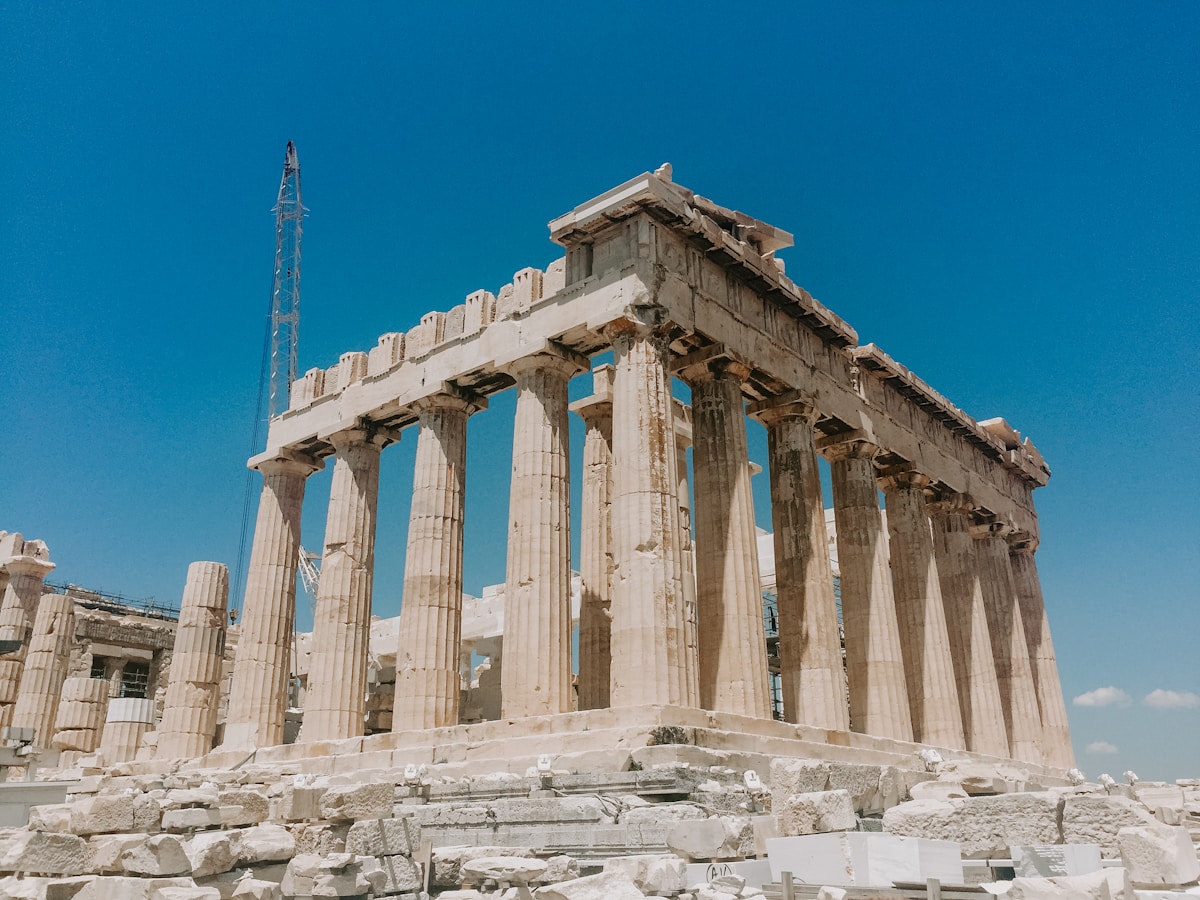
Greece’s Ministry of Culture announced in June 2026 that the restoration of the Parthenon’s western pediment is complete, with external scaffolding permanently removed from the western facade for the first time in more than 220 years. The announcement marks the most significant visual milestone in the ongoing Parthenon restoration project, which began in 1975.
Visitors to Athens this summer are the first in generations to see the Parthenon’s western elevation without the metal framework that has obscured it for so long - a meaningful change for anyone making the climb to the Acropolis.
Why This Matters
The Parthenon has been undergoing continuous restoration since a dedicated committee was established in 1975, following decades of pollution damage, earlier misguided cement repairs, and the effects of centuries of weathering. Work has been focused on structural stabilisation, anastylosis (the reassembling of original stone elements), and the restoration of sculptural elements.
The western pediment - the triangular sculptural field above the western entrance - depicts the mythological contest between Athena and Poseidon for patronage of Athens. Restoring the pediment to a structurally sound state while preserving the remaining original marble was one of the project’s most complex tasks. With that work now complete and the scaffolding down, the entire western elevation of the building is finally unobstructed.
The last time the western facade could be seen without scaffolding was before the founding of the modern Greek state, placing this milestone in the same timeframe as the late 18th century - roughly the era of Lord Elgin’s controversial removal of sections of the frieze to London.
What Visitors See Now
From the Propylaia entrance to the Acropolis, the approach to the Parthenon presents the western facade as the primary view. With scaffolding cleared, this aspect of the building - including the proportions of the western colonnade and the restored pediment above - is now fully readable for the first time in living memory.
The eastern facade (the front of the temple as it was used in antiquity, facing sunrise and the altar) has been accessible without obstruction for longer. What has changed is that visitors can now walk the full circuit of the building and see all four sides without interruption.
Planning a Visit
The Acropolis is busiest in morning hours from April through October; visiting in the late afternoon (from around 4pm) reduces crowding and offers better light for photography of the marble. The site closes in the evening, with closing times varying by season.
The combined Acropolis ticket includes access to several other archaeological sites in Athens, making it one of the best-value museum passes in Europe. Guided tours of Athens that include the Acropolis typically cover the restoration history and sculptural programme with expert commentary - particularly useful now that the full western facade is visible for the first time. For context on what you are seeing, the Acropolis Museum at the base of the hill provides detailed presentation of the sculptural programme.
For a deeper look at the Parthenon’s history and the broader story of the Acropolis, see our Greece history section. Our Athens things to do guide covers the full range of experiences in the city, from the ancient sites to the neighbourhoods of Monastiraki, Plaka, and Exarcheia.
The Parthenon restoration project is expected to continue for several more years, with further work on the north colonnade and other elements ongoing. But the removal of scaffolding from the western facade is a landmark moment - and a good reason to visit the Acropolis this summer.