Greece is dealing with active wildfires and a developing heatwave this week, with the most severe situation currently in the Thessaloniki and Chalkidiki areas. The UK Foreign Office updated its Greece travel advice on 5 July, and conditions are being monitored closely by multiple government travel advisory services.
Current Situation
Thessaloniki area: On 1 July, a fast-moving fire in the Oreokastro suburb of Thessaloniki resulted in two deaths - a father and son. Further fires in the Thessaloniki metropolitan area ignited on 4 July. Greek civil protection services recorded approximately 60 simultaneous fires across the country on 5 July, a figure that indicates nationwide stress on firefighting resources.
Chalkidiki peninsula: The Propontis Municipality in Chalkidiki has been designated Category 4 fire risk. Two settlements in the area - Kipoupolis and Ampelakia - were evacuated as a precaution. Chalkidiki is a popular package holiday destination with a number of large beach resort complexes; check with your accommodation or operator for current status.
Other areas affected: Fires have also been reported near Corfu, Rhodes, and Salamina island in July, though none have triggered the same level of civil protection response as the Thessaloniki incidents.
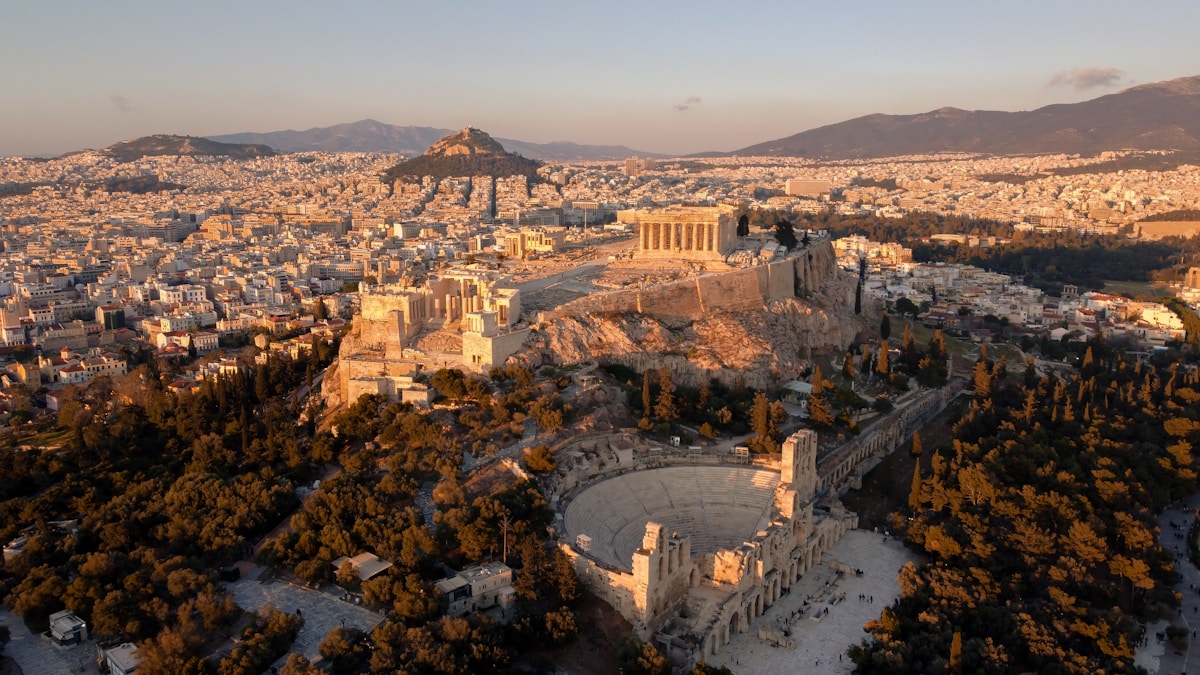
Heatwave: A heatwave is building across Athens and central Greece. Temperatures of up to 39°C are forecast for 12 July, with the heat expected to continue into next week. The Acropolis and other outdoor sites may implement temporary midday closures under extreme heat protocols - check in advance if you are visiting this week.
What Travellers Should Do
In affected areas: Follow local emergency instructions immediately. Greece’s civil protection agency issues alerts via the EU Cell Broadcast system (112 short code), which reaches mobile phones automatically in the affected area. Do not approach active fire zones.
If staying in Chalkidiki or Thessaloniki region: Contact your hotel or accommodation directly to confirm current status. Tour operators with clients in the affected area should already be in contact.
At outdoor sites in the heat: Book timed entry early in the morning (before 10am) or late afternoon (after 5pm). Bring water and apply sunscreen - heat illness is a genuine risk at 39°C, particularly on shadeless archaeological sites.
West Nile Virus Note
Greece’s National Public Health Organisation confirmed the first West Nile virus case of 2026 on 9 July, in the Agia Paraskevi area of Athens. West Nile is mosquito-borne and cannot be transmitted person-to-person. Use insect repellent (DEET-based products are most effective), particularly at dawn and dusk. Symptoms in most infected people are mild or absent; seek medical advice if you develop fever, headache, or muscle pain.
Broader Context
Greece ranked among the worst-performing European countries for flight punctuality this year, driven partly by ATC staffing constraints at Athens. Build buffer time into connections through Athens. Comprehensive travel insurance for Greece should cover wildfire disruption, medical assistance, and trip cancellation if your accommodation is in an affected zone. For an updated picture of conditions in specific areas, see our Greece practical section and safety guide.