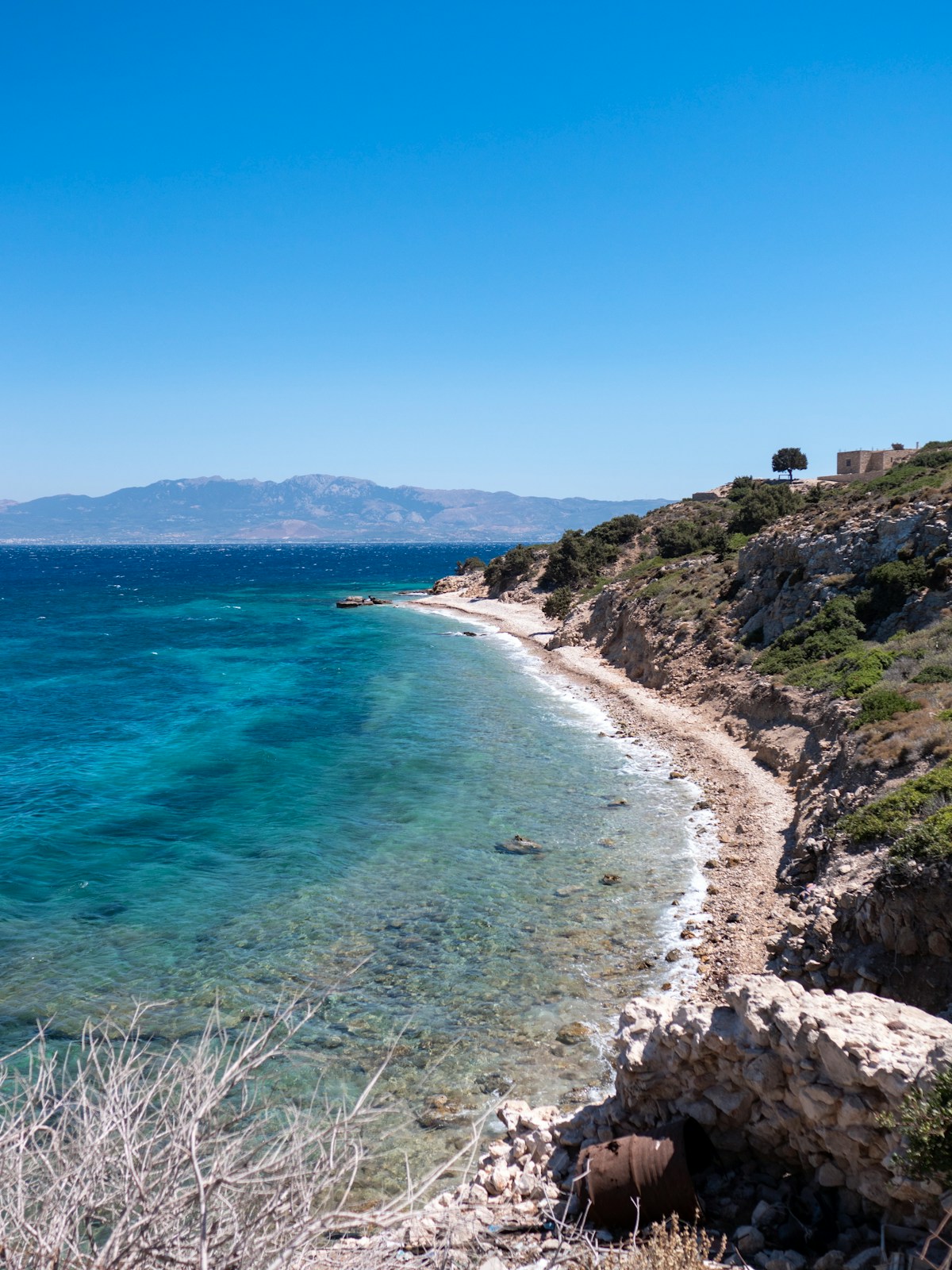
Tilos is one of the quietest inhabited islands in the Dodecanese - a small, rugged island with fewer than 500 permanent residents, no airport, and a protected nature reserve status that has kept development low and birdlife high. What it has in abundance is a combination rarely found together: medieval hilltop castles, prehistoric heritage (dwarf elephant bones that survived until 3,500 BC), a well-established birdwatching tradition, and coastline with nobody on it.
The island runs on solar power for much of the year - it became the first energy self-sufficient island in the Mediterranean in 2018 through a battery and solar installation - and the environmental commitment shapes the local culture. Prices listed are approximate as of 2026.
Top Tours in Tilos
| Tour | Duration | Price (from) | Group Size | Highlights |
|---|---|---|---|---|
| Tilos Day Trip from Rhodes | 8 hrs | from €45/person | Excursion boat | Livadia port, Megalo Chorio kastro, Eristos beach swim |
| Tilos Birdwatching & Nature Walk | 3 hrs | from €30/person | Small group | Eleonora’s falcon habitat, wetland valley, Harkadio cave |
Browse all Tilos tours → GetYourGuide
Birdwatching in Tilos Nature Reserve
The entire island of Tilos is protected under the EU Natura 2000 programme, and the wildlife management is taken seriously in a way that is relatively unusual in the Greek islands. The key species for visiting birdwatchers are Eleonora’s falcon, which nests in a colony on the coastal cliffs (viewable from spring through September), and Bonelli’s eagle, which breeds in the island’s interior.
The wetland valley between Livadia (the port village) and Megalo Chorio (the main inland settlement) is the best area for migrating birds in April–May and September–October. The island’s position on the Dodecanese island chain makes it a migration waypoint for raptors, waders, and passerines moving between Africa and Europe. Recorded breeding species include long-legged buzzard, little owl, and blue rock thrush.
Tilos Park, the environmental NGO managing the protected area, can be contacted for guided birdwatching walks in season - check locally as schedules vary by year. Independent birding requires only binoculars and a willingness to walk the valley tracks in early morning.
Climb to Megalo Chorio Castle
Megalo Chorio is the island’s main village, set inland from the north coast above a fertile valley. The medieval kastro at the top of the village hill is the most significant archaeological feature on the island - a complex of Venetian and Byzantine fortifications built on and incorporating an ancient Hellenistic settlement. The walls are substantially intact and the views across the island and toward Rhodes are excellent.
The climb from the village to the kastro takes approximately 20 minutes on a marked path through the village. The castle interior has the church of Taxiarchis and ruins of several structures within the walls. Entry is free. The best time to visit is late afternoon when the light hits the stone walls and the heat has dropped.
The village itself has a good taverna and a small museum covering the island’s history from prehistoric to modern periods. The Harkadio Cave, a short drive from the village on the road to the beach, is where dwarf elephant bones were discovered in 1971 - Palaeoloxodon tiliensis, a miniature elephant species that survived on the island until approximately 3,500 BC. The cave is signposted and open to visitors; the bones themselves are in the museum.
Swim at Eristos Beach
Eristos is the longest beach on Tilos - a sandy bay on the south coast, approximately 600 metres of coarse sand and pebbles with clear, shallow water. The beach has a seasonal taverna and sun beds in summer; outside of July–August it is often largely empty.
The sea at Eristos is excellent for snorkelling along the rocky edges of the bay. The setting - a wide bay backed by low hillside scrub with the volcanic outline of Nisyros visible in the distance - is genuinely attractive without requiring any effort to reach (it is accessible by the island’s bus from Livadia).
Plaka beach, north of Eristos on the south coast, is shorter and more remote - accessible by the same coast road but further along and less visited. Lethra, on the north coast near Agios Andonis, is a pebble cove accessible only by a 30-minute walk from the road or by small boat; the isolation is the point.
Explore Mikro Chorio - the Ghost Village
Mikro Chorio, between Livadia and Megalo Chorio, was the island’s second village until its residents relocated down to Livadia in the 1960s. The village is now entirely abandoned - a collection of stone houses, an intact church, and overgrown lanes on a hillside above the main road.
Walking through Mikro Chorio takes about 30 minutes and is one of the more unusual experiences on Tilos. The houses are open - no roofs in most cases - and the vegetation has begun to reclaim the walls. The church has been partially maintained and the bell tower still stands. Photogenic at most times of day. Access is by a short walking track from the main road, clearly signposted.
Livadia - the Port Village
Livadia is where the ferry arrives and where most of the island’s accommodation and restaurants are concentrated. The village has a single main waterfront street with tavernas, a small bakery, and a beach that is good for a morning swim. The pace is genuinely slow - there is no nightlife beyond sitting at a waterfront table.
The walk from Livadia along the coast toward Agios Stefanos monastery (approximately 2 kilometres one way, level coastal path) is a good evening option with views of the harbour and the silhouette of Kos in the distance.
For getting to Tilos, accommodation options, and planning your trip, see our Tilos travel guide. For the Dodecanese island chain context, see our Dodecanese guide and Rhodes travel guide.
Book Tilos nature tours and experiences through GetYourGuide. Pick up a Greece eSIM before you travel.