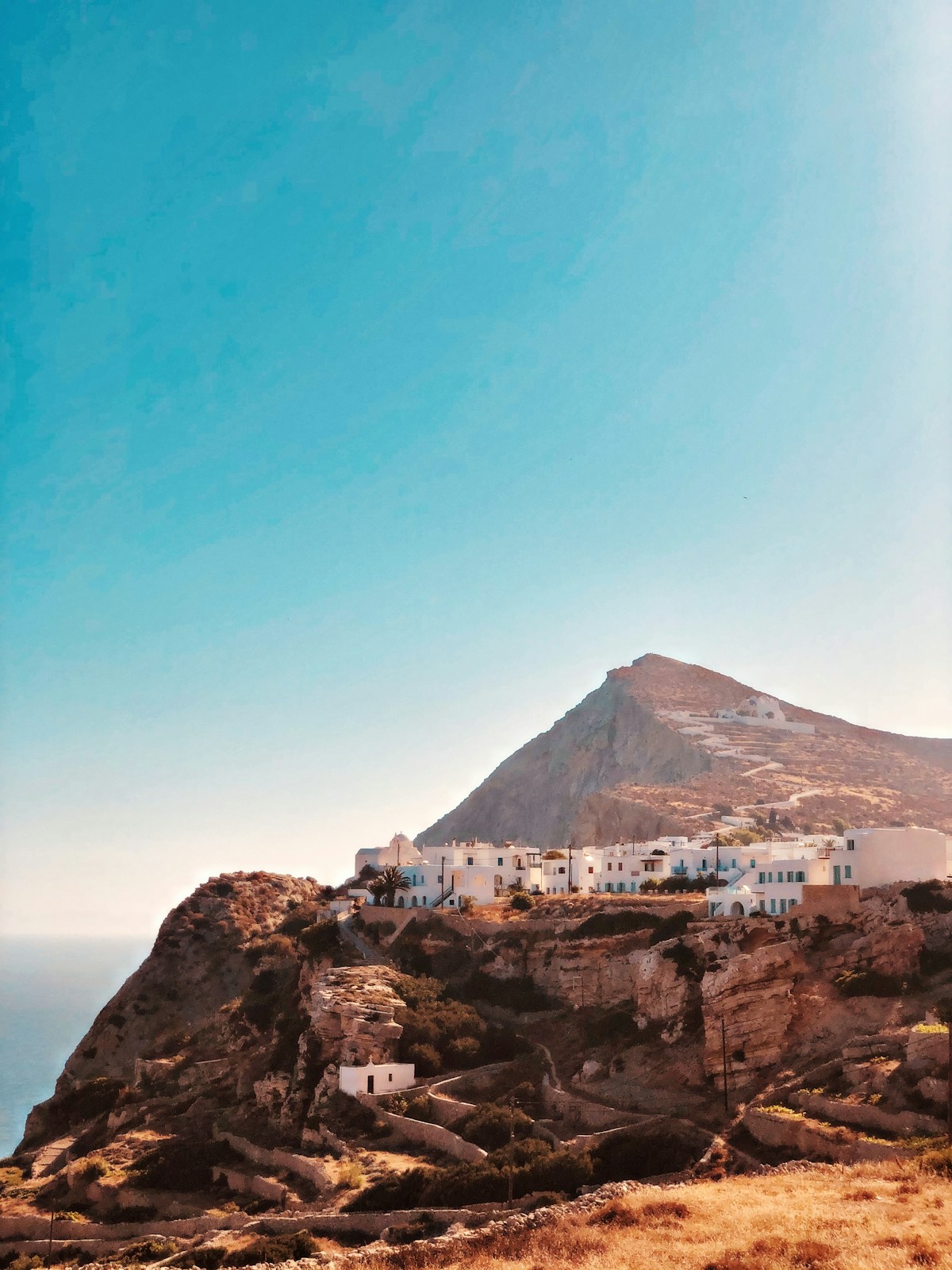
Folegandros is one of those rare Aegean islands that rewards slowing down. With approximately 700 permanent residents and deliberate limits on accommodation capacity, it has never aimed for volume tourism - and it shows. The Chora is one of the finest Cycladic villages in Greece, the walking trails cross genuinely wild terrain, and the pace of life in the main square at dusk feels unchanged from decades past.
The island is not for every traveller. There are no organised tours or beach clubs, the best beaches require effort to reach, and evening entertainment means a taverna dinner and a carafe of wine. If that sounds right, Folegandros will exceed expectations.
Top Tours in Folegandros
| Tour | Duration | Price (from) | Group Size | Highlights |
|---|---|---|---|---|
| Folegandros Island Tour - Chora, Panagia & Ano Meria | 4 hrs | from €35/person | Small group | Kastro quarter, Panagia cliff walk at sunset, folk museum |
| Folegandros Boat Trip - Katergo Beach & West Coast Coves | 5 hrs | from €30/person | Up to 15 | Katergo double beach, Angali cove, snorkelling in clear water |
Browse all Folegandros tours → GetYourGuide
Folegandros Chora
The defining experience of the island. Chora occupies a narrow clifftop ridge above the port, a natural defensive position that gave it protection during centuries of piracy. The village is arranged around a series of interconnected squares - Plateia Douvari, Plateia Kontarini, and the main Plateia Pounta - each with its own character, shaded by ancient bougainvillea and mulberry trees.
The innermost square, Plateia Douvari, is the oldest part: the original medieval Kastro, with tall houses built wall-to-wall as a continuous defensive perimeter. This part of Chora dates to Venetian occupation in the 13th century and is still largely intact. Walking through the arched gateway into the Kastro is a genuine step back; the lanes narrow to barely shoulder-width, the walls are several feet thick, and the light shifts to something cooler and more shadowed.
The café and restaurant terraces around the outer squares are where life happens. In summer evenings, the whole island congregates here - locals finishing work, visitors arriving from the port, children running between tables. The mood is relaxed and sociable in a way that doesn’t feel forced.
There is no admission fee for Chora. Simply walk in from the bus stop at the edge of the village.
The Panagia Church Walk
Folegandros’s iconic image: the Church of the Dormition of the Virgin (Panagia) perched on a dramatic cliff 200m above the sea, approached by a zigzag path from the back of the Kastro. The walk up takes 10–15 minutes, most people make it, and the view from the church terrace at sunset - across the caldera of Santorini to the south, to the silhouette of Ios to the north - is one of the memorable sights of the Cyclades.
The church is a pilgrimage site as well as a tourist draw. The interior holds icons and votive offerings, and the terrace has a small collection of bones believed to be ancient relics. Candles burn outside in the wall niches year-round. The path is well-maintained but steep enough to require decent footwear; sandals on a hot day become uncomfortable on the rough stone steps.
Visit shortly before sunset for the light; arrive early to find a spot on the terrace before it fills up in July and August.
Ano Meria Village
Seven kilometres northwest of Chora, Ano Meria is the island’s other settlement - a scattered farming village strung along the ridge road, with stone-walled fields and windmills visible across the plateau. The village feels genuinely agricultural rather than touristic; the buildings are more functional than beautiful, and the small tavernas serve whatever was produced locally that day.
The Museum of Folk Art in Ano Meria (open summer only, approximately €2) documents traditional life on the island - farming tools, weaving equipment, domestic objects. It’s not extensive but gives context to what you see around you.
Ano Meria is a good base for the hiking trails that lead down the west coast to the beaches of Agios Georgios and Ambeli. The terrain is rough and exposed - carry water and start early.
Bus from Chora: A single bus route connects Chora and Ano Meria (approximately €1.80, running approximately every 45 minutes in summer). Timetables are posted at the bus stop in Chora’s main plateia.
Walking Trails
Folegandros has a network of trails, most of them old donkey paths that predate the island’s one road. The best:
Chora to Angali Beach: The most popular trail - approximately 45 minutes downhill from Chora through scrub and terrace walls to Angali beach on the west coast. The path is signposted and well-trodden. Return by bus or water taxi (approximately €5).
Chora to Agios Nikolaos Beach: A quieter alternative, approximately 1 hour each way from Chora. Rocky path through abandoned terraces to a small pebbly cove with clear water. No facilities.
Ano Meria to the West Coast Beaches: More demanding - 1.5–2 hours down to Agios Georgios or Ambeli. These beaches are rarely crowded because of the access effort. Carry 1.5 litres of water minimum; the path is exposed and there is no shade for the lower third.
Good walking shoes are essential for all trails. The volcanic rock is abrasive and some paths have loose scree. The island has no organised hiking guides but the trails are generally clear.
Boat Trips to Katergo
Katergo is the most spectacular beach on Folegandros - a double beach enclosed by dramatic volcanic cliffs, accessible only by boat or a steep 40-minute walk down an unmarked rocky path (the walk is not recommended). Local fishing boats run from Karavostasi port (the island’s main harbour) to Katergo daily in summer, leaving approximately 10–11am and returning in the afternoon. Tickets approximately €10–12 per person return.
A seasonal water taxi also connects Karavostasi with Angali and the smaller coves on the west coast. Ask at the port for current schedules - these are informal arrangements that change year to year.
Karavostasi Port
The port settlement at sea level has a small cluster of café-restaurants along the waterfront - good for a coffee while waiting for the ferry, or for a fish lunch with views over the Aegean. It’s not a place to spend a full day, but the morning light on the water is pleasant and the swimming from the port beach is clean and easy.
Churches and Smaller Chapels
Beyond the Panagia, the island has over 200 small churches and chapels dotted across the landscape - many of them privately owned and tended by individual families, locked except on the relevant saint’s day. The largest, the Cathedral of Pantanassa in the main plateia of Chora, is worth a look inside; it has some good 18th-century icons. Entry is free; dress modestly.
Where to Eat and Drink
Pounta (Chora): On the plateia of the same name - tables under bougainvillea, traditional Cycladic cooking, grilled fish, fresh salads. Reliable and good value. Approximately €22–30 per person.
Melissa (Chora): The most consistently recommended restaurant on the island. Creative Greek cuisine with local ingredients. Book ahead in July and August. Approximately €28–40 per person.
Piatsa (Chora): Good for breakfast and coffee in the main square - fresh pies, yoghurt, Nescafé frappé. Opens early. Approximately €5–10.
I Synantisi (Ano Meria): One of the tavernas in Ano Meria serving whatever is fresh. Goat stew, loukoumades (honey doughnuts), local wine. Very traditional. Approximately €18–25 per person.
Getting Around
The island has one road and one bus route (Karavostasi → Chora → Ano Meria). A taxi operates on the island; ask at Chora. A hired ATV (all-terrain vehicle) or scooter gives more flexibility - available from a rental outfit near the Chora bus stop, approximately €25–35 per day. There are no rental cars.
Best Time to Visit
Late May to mid-June and September are ideal - warm enough for swimming, quieter than July and August, and with better availability at the small number of accommodation options. July and August bring a full island at capacity; book accommodation 2–3 months ahead. October is quiet and beautiful for walking but ferry connections reduce significantly.
Browse boat trips and Cyclades excursions from Folegandros with GetYourGuide.
See also: Best Beaches in Folegandros, Where to Stay in Folegandros, Folegandros Travel Guide, Milos Travel Guide and Sifnos Travel Guide for the neighbouring western Cyclades islands.