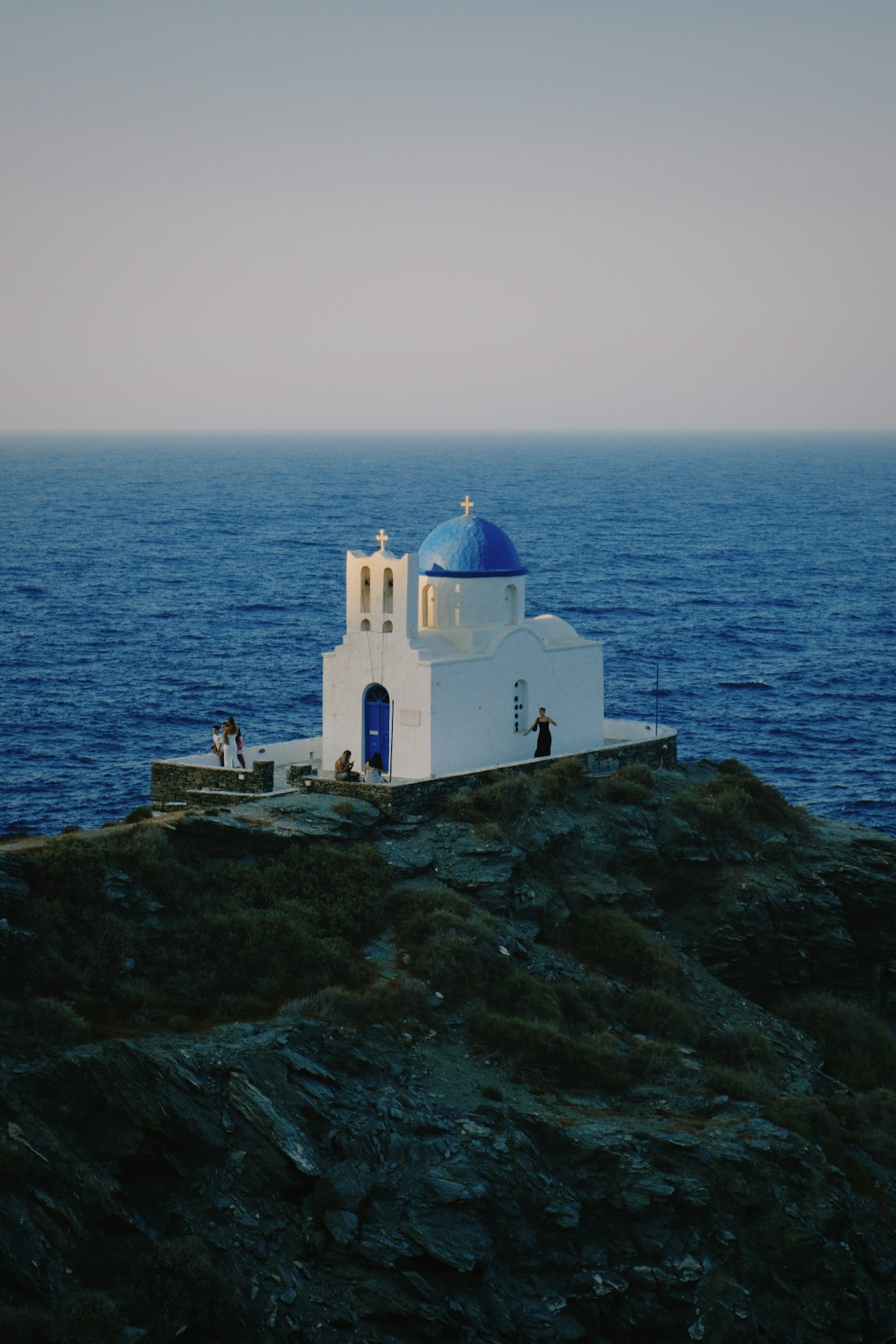
Paros and Mykonos sit 40 kilometres apart in the central Cyclades and draw visitors for fundamentally different reasons. Mykonos built its reputation on glamour, nightlife, and visible excess - it was the preferred Greek island of international jet-setters in the 1990s and never let go. Paros grew more quietly, trading on excellent beaches, traditional fishing villages, and Cycladic architecture without the price premium. The right choice depends entirely on what kind of island holiday you want.
Quick Verdict
| Category | Mykonos | Paros |
|---|---|---|
| Nightlife | World-class beach clubs and bars | Good, relaxed, mostly bars and tavernas |
| Accommodation costs | €200–800/night | €100–350/night |
| Food costs | €25–45 main course | €15–28 main course |
| Beach character | Party beaches (Paradise, Super Paradise) | Natural, scenic (Kolymbithres, Santa Maria) |
| Windmills | Iconic - the classic Mykonos image | Yes, but less photographed |
| Crowds (July–Aug) | Very busy | Moderately busy |
| Watersports | Beach clubs, jet skis | Windsurfing, kitesurfing (consistent wind) |
| Best for | Glamour, nightlife, famous beaches | Authenticity, value, relaxed pace |
Costs
Mykonos operates at a premium across every category. The Semeli Hotel in Mykonos Town runs €280–450/night in high season; the Bill & Coo on the hillside above the town runs €550–950. Even a simple guesthouse in Little Venice goes for €180–280 in July. Outside peak season (June or September), rates drop 40–50%. Restaurant dining is expensive: a grilled octopus at a seafront taverna in Mykonos Town is €22–30; a simple lunch at a beach club café runs €35–55/person including drinks.
Search hotels in Mykonos on Booking.com
Paros delivers comparable Cycladic beauty at 40–50% less cost. Naoussa, the prettiest village on the island, has studios and guesthouses from €90–160/night and boutique hotels at €200–320. Parikia (the capital, with the famous Panagia Ekatontapiliani church) has more budget options. A full dinner at a Naoussa harbour taverna - fresh fish, grilled vegetables, house wine - runs €35–55 for two people. The island’s lower profile means it attracts fewer premium-brand visitors and pricing reflects that.
Search hotels in Paros on Booking.com
Getting between the two islands costs €25–40 by fast ferry (45–75 minutes). Ferries from Athens (Piraeus port) take about 4 hours to Paros and 5 hours to Mykonos; flying from Athens is 45–55 minutes to either island.
Beaches
Mykonos has the most famous party beaches in Greece. Paradise Beach is the benchmark: DJ sets from noon, beach clubs with beds stacked three-deep, and an atmosphere that runs until sunset and beyond. Super Paradise is slightly more mixed-crowd, slightly less intense. Psarou is the VIP option - smaller, quieter during the day, with upscale beach clubs charging premium sunbed rates (€50–100/day at Nammos). On the calmer side, Ornos Beach has a gentle bay with calm water and a village atmosphere; Agios Ioannis (where Shirley Valentine was filmed) is quiet with a traditional taverna.
Paros has more varied and less commercialised beaches. Kolymbithres in the north near Naoussa is the most remarkable: wind-eroded granite boulders have created a series of small coves with completely clear, shallow water. Santa Maria on the northeast coast is the windsurfer’s choice - consistent meltemi wind from July to September, a kite school, and a long sand beach. Piso Livadi on the east coast faces Naxos and has calm, flat water. Logaras, nearby, is undeveloped with no sunbeds - just a sandy cove and excellent clarity.
Villages and Architecture
Mykonos Town (Chora) is one of the most photographed villages in Greece - the whitewashed houses with colourful doors, the bougainvillea cascading over alleyways, Little Venice where tables extend over the water, and the row of windmills on the hill above town. All of this is genuine 18th and 19th century Cycladic architecture, now surrounded by designer boutiques, cocktail bars, and restaurants. It is simultaneously beautiful and extremely commercialised. The maze-like streets were designed to confuse pirates; they now confuse tourists equally effectively.
Naoussa on Paros is arguably more charming and less crowded than Mykonos Town. The small harbour with fishing boats, the ruined Venetian fort at the harbour entrance, the narrow whitewashed lanes with bougainvillea and cats - it’s the classic Cycladic village experience without the boutique density. Parikia, the island capital, has the extraordinary Panagia Ekatontapiliani (Church of a Hundred Gates, dated to the 4th century AD) and the remains of a Frankish castle built from ancient temple blocks. The marble quarries of Marathi, used to build the Venus de Milo and parts of the Parthenon, are a short drive inland - an undervisited and remarkable site.
Nightlife
Mykonos nightlife is internationally famous. Cavo Paradiso, a club built into a cliff above Paradise Beach, has hosted resident DJs since 1993 and is still one of the best open-air club venues in Europe (tickets €20–40). The bars in Mykonos Town along Matogianni Street run from sundown to sunrise. Skandinavian Bar has been going since 1978. The evening starts late - dinner at 10pm, first bar at midnight, club at 2am - and the intensity has to be experienced rather than described. A night out in Mykonos is one of the signature party experiences in Europe.
Paros nightlife is pleasant rather than legendary. The bars on Naoussa’s harbour run comfortably into the early hours with a younger, more mixed Greek-and-tourist crowd. The evening has a genuine village atmosphere rather than a club district. Parikia has some bars and live music venues. If serious nightlife is a primary reason for your island trip, Mykonos is the clear choice. If you want a pleasant evening out without paying €18 for a gin and tonic, Paros delivers.
Getting There
Mykonos Airport (JMK) receives direct flights from Athens (45 min, €60–120 one-way) and direct international flights from major European cities in summer. Ferry services from Piraeus (Athens port) take 4–6 hours depending on the operator; fast ferries via Seajet take about 4 hours (€50–70). Hellenic Seaways and Blue Star Ferries operate year-round; high-speed options only run in summer.
Paros Airport (PAS) is smaller with fewer direct European connections, but receives flights from Athens (50 min, €60–110). The Athens–Paros ferry from Piraeus takes approximately 4 hours on a fast ferry; Blue Star Ferries take about 5 hours. Paros is also the natural island-hopping hub of the Cyclades - ferries leave for Santorini, Naxos, Ios, Milos, and Mykonos several times daily in summer.
The Verdict
Mykonos wins if party beaches, world-class nightlife, and the glamorous Cycladic village experience are your priorities. You pay significantly more but you get the most famous island party scene in Europe and genuinely beautiful architecture.
Paros wins if you want Cycladic authenticity without the crowd intensity and price premium - it’s a more relaxed, more genuinely Greek experience. The beaches are excellent, the villages are beautiful, and your money goes further. For couples, families, or anyone wanting to actually experience Greek island culture rather than the international party circuit, Paros is the better choice.
The good news: these islands are close enough to combine. Three nights on Mykonos and three nights on Paros is one of the finest island-hopping combinations in the Cyclades. See the Santorini vs Mykonos comparison and our full Greece island-hopping itinerary for planning help.
Plan Your Trip
✈️ Book flights to Greece 🛡️ Get travel insurance 📱 Greece eSIM 🗺️ Browse Mykonos tours | Browse Paros tours