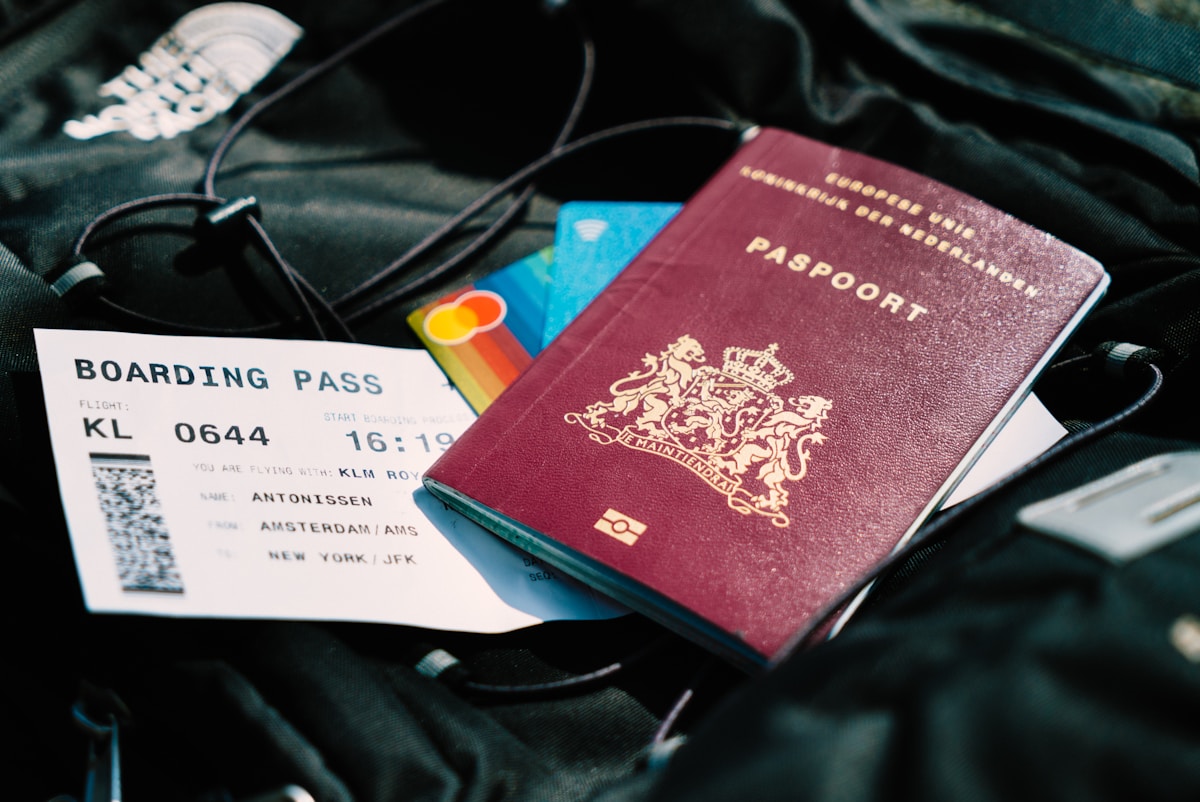
ETIAS - the European Travel Information and Authorisation System - is a pre-travel authorisation scheme for non-EU visitors who currently enter the Schengen Area without a visa. It applies to Greece as a Schengen member state. If you are travelling on a US, UK, Canadian, Australian, or similarly visa-exempt passport, ETIAS will be a required step before visiting Greece once the system goes live.
As of June 2026, ETIAS has not yet launched - the European Commission has delayed the rollout several times. The current target is late 2026. This guide explains what is coming, what to expect, and how to prepare.
Before you travel to Greece, make sure you have sorted:
- Travel insurance: VisitorsCoverage - covers medical emergencies, trip cancellation, and travel delays.
- Greece eSIM: Stay connected without roaming charges from the moment you land.
- Flights booked: Search flights to Greece across multiple airlines in one place.
What ETIAS Is (and What It Is Not)
ETIAS is not a visa. It is a travel authorisation - a pre-screening tool similar to the US ESTA or Australia’s ETA system. The purpose is to check travellers against security databases before they arrive at EU borders, rather than at the border itself.
ETIAS does not:
- Give you longer-stay rights than you had before
- Change the 90-day-in-180-day Schengen rule
- Apply to people who already need a visa to enter the Schengen Area
ETIAS does:
- Require eligible travellers to register and pay €7 before their trip
- Check your details against Interpol, SIS (Schengen Information System), Europol, and other databases
- Link your authorisation to a specific passport (you need a new one if your passport changes)
- Stay valid for three years or until passport expiry, whichever comes first
Who Needs ETIAS for Greece
You will need ETIAS if you hold a passport from a country that currently has visa-free access to the Schengen Area - meaning you currently enter Greece without applying for a visa in advance. Countries in this category include (but are not limited to):
- United States
- United Kingdom (post-Brexit)
- Canada
- Australia
- New Zealand
- Japan
- South Korea
- Brazil
- Argentina
- Mexico
- Chile
- Singapore
- Malaysia
- Thailand (partially - check current list)
- And approximately 60 further nationalities
EU, EEA (Norway, Iceland, Liechtenstein), and Swiss citizens do not need ETIAS. Long-stay visa holders and those with residence permits are also exempt.
The full, current eligibility list is maintained at travel.ec.europa.eu/etias - check there rather than relying on any secondary source (including this page) as the list may be updated.
How to Apply for ETIAS
Once the system launches, the application process is expected to work as follows:
Step 1 - Apply online Go to the official ETIAS website (travel.ec.europa.eu/etias or the dedicated application portal linked from that page). There is no embassy visit, no in-person requirement, and no appointment needed. The application is entirely online.
Step 2 - Provide your information The application form asks for:
- Personal details (name, date of birth, nationality, passport number and expiry date)
- Current home address and email
- Employment and education background
- Travel history (have you visited certain countries in the past 10 years?)
- Health questions (tuberculosis exposure, quarantine in the last year)
- Security questions (criminal convictions, travel to conflict zones)
Be truthful on all questions. Providing false information is grounds for refusal and could affect future Schengen visa applications.
Step 3 - Pay the fee The fee is €7 as of 2026. Payment is by credit or debit card. Travellers under 18 and over 70 are exempt from the fee (they still need to apply, but pay nothing).
Step 4 - Wait for a decision Most applications are expected to be decided within a few minutes or hours automatically. Some applications will be referred for manual review, which can take up to 96 hours. In rare cases, EU Member State authorities can request additional information within 96 hours and have up to 30 days to make a final decision.
Step 5 - Receive your ETIAS by email If approved, your ETIAS authorisation is sent to the email address you provided. It is linked digitally to your passport - you do not receive a sticker or label. When you fly to Greece, airlines will verify your ETIAS against your passport before boarding. At the Greek border, your passport is scanned and the ETIAS is verified automatically.
Validity and the 90-Day Schengen Rule
An approved ETIAS is valid for three years or until your passport expires, whichever comes first. During the validity period it allows multiple entries to the Schengen Area.
However, ETIAS does not change the 90-day rule. You are still limited to 90 days in any 180-day rolling period across the entire Schengen Zone - not just Greece. Days spent in France, Italy, or Spain count toward the same 90-day limit as days in Greece.
For travellers planning to spend a long summer in Greece - say, 10 weeks island-hopping - count your days carefully. Overstaying the 90-day limit carries significant penalties including fines, deportation, and potential bans on future Schengen entry.
What Happens if Your ETIAS Is Refused
The system is designed to approve the vast majority of applicants automatically. Refusal is expected to be uncommon for travellers from low-risk countries. However, refusal is possible if you:
- Have a previous Schengen visa refusal or overstay on record
- Appear on Interpol or EU security watchlists
- Provide information that cannot be verified
- Have a criminal conviction (though minor convictions from many years ago may not result in refusal - the system evaluates risk, not a blanket check)
If your ETIAS is refused, you will be notified by email with a reason. You have the right to appeal the decision, and the process for doing so will be outlined in the refusal notice. Alternatively, you can apply for a standard Schengen visa through the Greek embassy or consulate in your country, which involves a more thorough human review.
ETIAS vs UK ETA
For UK passport holders, the situation in 2026 involves two separate pre-travel requirements depending on destination:
- UK ETA (Electronic Travel Authorisation): Required to enter the United Kingdom itself from certain countries. This is a separate UK scheme with no connection to ETIAS.
- ETIAS: Required for UK passport holders entering the EU/Schengen Area (including Greece) once the system launches.
UK travellers will need to apply for and hold a valid ETIAS before flying to Greece once the system is live. The Brexit arrangements mean the UK is treated as a third country for Schengen purposes, the same as the US, Canada, or Australia.
ETIAS vs the EES (Entry/Exit System)
EES is a companion system to ETIAS, tracking when non-EU nationals enter and exit the Schengen Area by recording fingerprints and photographs at the border. Like ETIAS, EES has been repeatedly delayed. The two systems are intended to work together:
- ETIAS screens you before travel
- EES records your actual entries and exits at the border, replacing passport stamps
Both are expected to be in place by late 2026, but the exact launch sequence may shift. For Greece border entry, once EES is active, border officers will no longer stamp your passport - your biometrics are recorded digitally instead.
Practical Preparation: What to Do Now
If you are travelling to Greece before ETIAS launches: No action needed. Travel continues as before - no pre-authorisation required.
If you are planning a trip after ETIAS launches:
- Check the official launch date at travel.ec.europa.eu/etias before booking
- Apply online once the system is live - it takes around 10–20 minutes
- Apply at least 96 hours before departure to allow for manual review if needed
- Apply with your travel passport - the ETIAS is linked to that specific document
- Keep your confirmation email accessible (a PDF copy or screenshot works)
Do not use third-party ETIAS application services. A number of commercial websites charge significantly more than the official €7 fee to “assist” with ETIAS applications. The official application is simple and requires no intermediary. Use only travel.ec.europa.eu/etias.
Key Dates and Current Status (as of June 2026)
- ETIAS passed into EU law in 2018 and has been in development since
- Multiple launch delays: original 2022 date → 2024 → mid-2025 → late 2026
- Current expected launch: late 2026 (unconfirmed as of the date this article was written)
- EES is expected to launch concurrently or shortly before ETIAS
For the most current launch status, check: travel.ec.europa.eu/etias and the Greek Ministry of Foreign Affairs at mfa.gr.
Sort out travel insurance for Greece before you leave. Pick up a Greece eSIM before you fly - keeps you connected without roaming charges. Search flights to Greece across multiple airlines in one place.
Related Entry and Visa Guides
- Greece Visa Guide - who needs a visa and how to apply
- Is Greece Safe? - safety overview for all visitors
- Greece Travel Tips - practical advice including health and insurance
- Greece Travel Insurance - recommended cover for the trip
- Athens Airport Guide - what to expect on arrival
Plan Your Trip
✈️ Book your flights to Greece 🛡️ Get travel insurance 📱 Stay connected with an eSIM 🚗 Rent a car