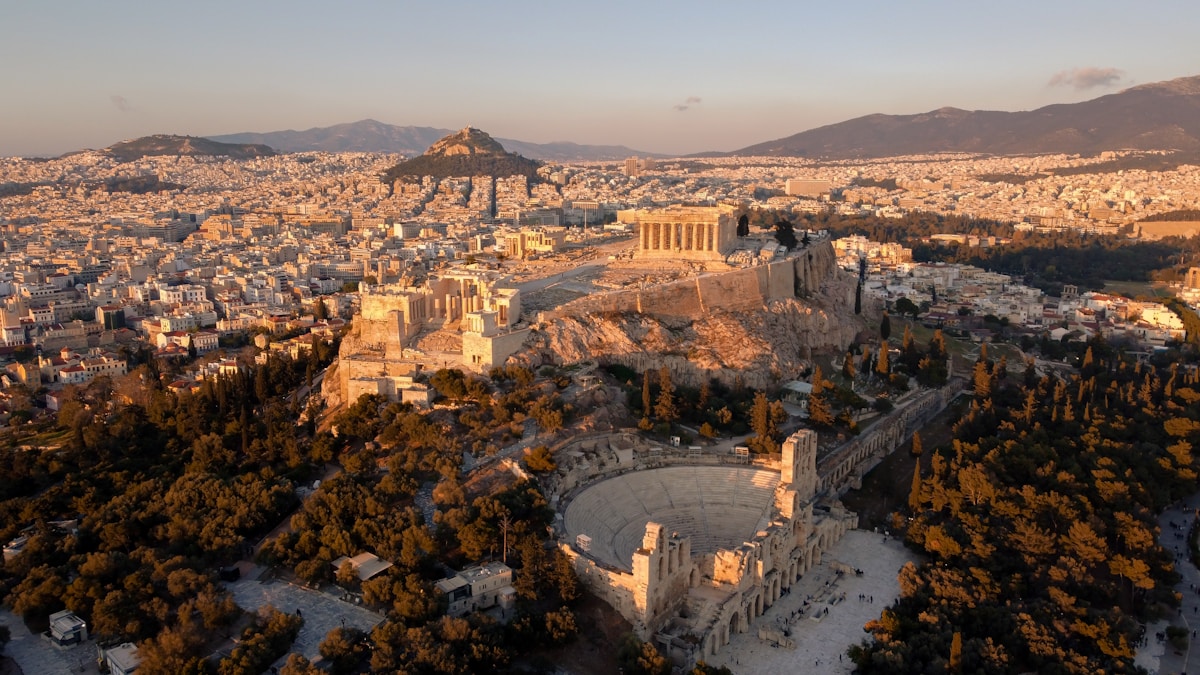
The 44th Athens Classic Marathon takes place on 1 November 2026, running the same 42.195 km course that inspired the modern marathon: from the town of Marathon on the Attic coast to the Panathenaic Stadium in the heart of Athens. For thousands of runners arriving from around the world, this is a pilgrimage as much as a race.
The Historic Route
The course follows the route Pheidippides is said to have run in 490 BC after the Battle of Marathon. Runners leave Marathon town in the early morning and head south-west through olive groves, coastal plains, and the suburbs of Athens before climbing into the city proper. The final stretch descends Vasilissis Sofias Avenue and enters the Panathenaic Stadium - the same marble stadium that hosted the 1896 modern Olympics - to finish on its running track.
The elevation profile is demanding. The course rises to around 170m at the village of Stavros before descending sharply through Nea Makri and Pallini. Runners who do not account for the mid-course climb often struggle on the final 10km descent into the city centre.
Race Day Logistics
Buses depart from Syntagma Square and Zappion in Athens from around 06:30 to transport runners to the start line in Marathon. The race itself starts at 09:00. Road closures affect central Athens from early morning; the Vasilissis Sofias and Michalakopoulou corridors are closed to traffic from approximately 07:00 until the final runner finishes.
Spectators typically gather at the 30km mark in Gerakas and along Mesogion Avenue in central Athens, where the crowds thicken considerably. The stadium finish is ticketed separately - a small admission charge applies for those without a race connection.
The 10km and 5km Events
Alongside the full marathon, a 10km road race and a 5km fun run also take place on 1 November, both finishing at the Panathenaic Stadium. These shorter distances attract a large local contingent and are popular with visitors who want the stadium experience without the full marathon commitment. Entries for all distances open through the official race website.
Travelling to Athens for the Marathon
Race weekend falls on a public holiday in Greece - 1 November is Ohi Day (a national holiday commemorating Greece’s refusal of the Axis ultimatum in 1940). The public holiday means government services close but most tourist businesses, restaurants, and transport remain operational.
Hotels in Athens book out quickly for marathon weekend. We recommend securing accommodation at least two to three months in advance, particularly for central locations near Syntagma and Monastiraki. Runners staying near the finish line may want to factor in road closures when planning their return from the stadium.
Athens has extensive transport links for those arriving by air, and the Athens metro runs directly from the airport to the city centre. For more on getting around, see our guide to things to do in Athens.
Why This Marathon Matters
The Athens Classic Marathon predates most of the world’s major city marathons. It holds historical significance that no other race can claim - finishing inside a 2,500-year-old marble stadium is an experience that has drawn runners from over 100 countries each year. Whether you are chasing a personal best or simply want to complete the original marathon route, the 2026 edition offers the same course, the same backdrop, and the same sense of occasion that has made it one of the enduring events on the running calendar.
Entry details, wave times, and travel packages are available through the official race website.