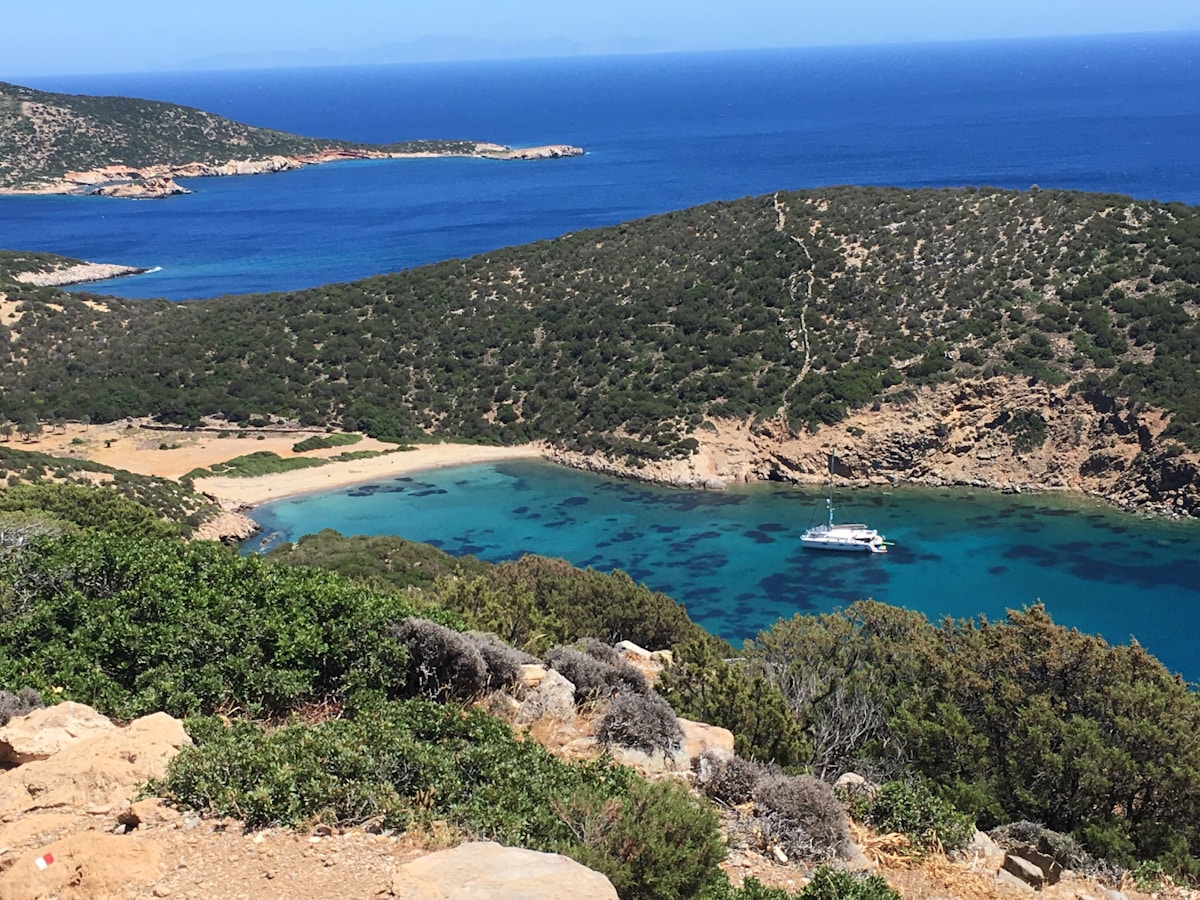
Sifnos is a Cycladic island with a depth that rewards slower travel. The combination of a remarkable trail network connecting ancient whitewashed villages, a pottery tradition stretching back millennia, and a culinary reputation that has become its primary draw means the island suits a stay of several days rather than a rushed day trip. Prices listed are approximate as of 2026.
Top Tours in Sifnos
| Tour | Duration | Price (from) | Group Size | Highlights |
|---|---|---|---|---|
| Sifnos Hiking & Pottery Workshop | 4 hrs | from €45/person | Small group | Kastro village, kalderimi trail, ceramic studio session |
| Sifnos Culinary Experience - Market, Cooking & Wine | 3 hrs | from €55/person | Small group | Kamares market tour, revithia cooking class, local wine tasting |
| Cyclades Island Boat Tour from Sifnos | 6 hrs | from €40/person | Up to 25 | Serifos or Kimolos, swimming stops, lunch on board |
Browse all Sifnos tours → GetYourGuide
Explore Kastro Village
Kastro is the medieval capital of Sifnos - a fortified hilltop village built in the 13th century by the Venetians on a rocky promontory above the east coast. The village is a maze of whitewashed houses, narrow arched lanes, and small Byzantine churches, almost entirely car-free and best approached on foot from the coastal path below.
The original Venetian fortifications are still visible in the outer ring of houses, which were built as the defensive wall - their outer walls form a continuous barrier with no openings at street level, windows only on the interior. The Archaeological Museum of Sifnos is housed within the kastro and contains finds from Bronze Age through Classical periods, including pottery from the island’s ancient ceramic tradition. Entry approximately €3.
Getting to Kastro from Apollonia takes about 40 minutes on foot along the kalderimi path - a pleasant walk downhill with sea views. Alternatively, taxis from Apollonia cost approximately €8.
Hike the Kalderimi Network
Sifnos has approximately 100km of marked footpaths, most following the ancient cobbled mule tracks (kalderimi) that connected villages before roads arrived. The paths are well-signposted with blue markers and in good condition.
Key routes:
- Kamares to Apollonia: Approximately 2.5 hours uphill (6km). Through terraced hills with sea views back to the port. The main ridge path.
- Apollonia to Kastro: Approximately 45 minutes (3km), mostly downhill. This is the classic Sifnos walk.
- Kastro to Chrissopigi: Approximately 1.5 hours (4km), coastal path. From the medieval village to the famous monastery on the rocky headland.
- Full Sifnos trail: The island’s main trail runs from Kamares all the way to Vathi on the south coast, connecting every major village in a full-day walk of approximately 20km.
Good walking shoes essential. Paths are rocky and uneven. Carry water - no facilities on the trails between villages.
Visit Chrissopigi Monastery
Chrissopigi is the most visited religious site on Sifnos and one of the most visually distinctive monasteries in the Cyclades. The 17th-century monastery sits on a rocky headland at the island’s southeast coast, connected to the mainland by two small stone bridges over a channel cut into the rock.
The monastery houses the icon of Panagia Chrysopigi, the island’s patron saint. It is active (services are held) and visitors are welcome outside service hours - dress appropriately. The setting at sunset, with the white monastery compound against the darkening sea, is the defining image of Sifnos.
The beach at Apokoftou, directly below the monastery, is one of the best swimming spots on the island. No entry fee to the monastery.
Take a Pottery Class
Sifnos has a pottery tradition continuously documented since at least the 7th century BC, and the island still has a dozen or more working studios. The characteristic product is the baked earthenware used for cooking - particularly the glazed chickpea pots (skepastaria) that go straight from oven to table. Several studios in Kamares and around Apollonia offer classes for visitors.
Studio sessions typically run 2–3 hours and cost approximately €40–60 per person, usually including materials and use of the kiln. The island’s most celebrated modern potter is Apostolos Mastrogiannakis; his workshop in Kamares is worth visiting even if you don’t take a class, to see the full range of traditional and contemporary work. Book workshops in advance in summer.
Wander Apollonia and the Village Circuit
Apollonia is the capital of Sifnos - a ridge-top village connecting with the neighbouring settlements of Artemonas, Ano Petali, and Katavati in a continuous hillside sprawl. Together these villages form the social and commercial heart of the island.
The main pedestrian lane through Apollonia has the island’s best boutiques, ceramic shops, and cafe terraces. Artemonas just north is the most gracious of the villages - larger neoclassical houses from the era of island prosperity, a beautiful square, and the church of Agios Georgios. The walk from Apollonia to Artemonas takes about 15 minutes.
The central square (plateia) of Apollonia is the evening gathering point - aperitivo culture is genuinely present here, with locals filling the outdoor tables well into the night.
Vathi - the Secluded Bay
Vathi is a small fishing hamlet at the end of a deep fjord-like inlet on the island’s south coast - one of the most sheltered and beautiful anchorages in the Cyclades. The hamlet has a few houses, a ceramic workshop, and the Monastery of Taxiarches on the hillside above. The beach in front of the village is sandy and the bay so sheltered that even strong summer winds leave the water flat.
Getting there requires either a 45-minute walk from Platis Gialos beach, a boat taxi from Kamares (approximately €15–20 return in summer), or a long drive down a narrow road. The isolation is precisely the attraction. Lunch at the single taverna in the hamlet is an Sifnos rite.
For the complete island overview including getting there, where to stay, and the food scene Sifnos is famous for, see our Sifnos travel guide. For beaches including Platis Gialos, Faros, and Chrissopigi, see best beaches in Sifnos. For restaurants and the island’s food culture, see restaurants in Sifnos. Comparing Cycladic islands? See our Greek island hopping guide.
Book Sifnos tours and experiences with GetYourGuide. Pick up a Greece eSIM before you travel.
Search hotels in Sifnos, Greece on Booking.com
See Also
- Sifnos Travel Guide - full island overview with accommodation, ferry details, and food culture
- Best Beaches in Sifnos - Platis Gialos, Faros, Apokoftou, and hidden coves
- Restaurants in Sifnos - the island’s celebrated dining scene from tavernas to fine dining
- Greek Island Hopping Guide - placing Sifnos in a Cycladic route
- Greek Island Ferry Guide - Piraeus to Sifnos crossing options