Halki Travel Guide: Car-Free Village & Hiking Trails
Halki island guide: car-free village, coastal hiking trails, neoclassical harbour, and ferry connections from Rhodes. The quietest Dodecanese escape.
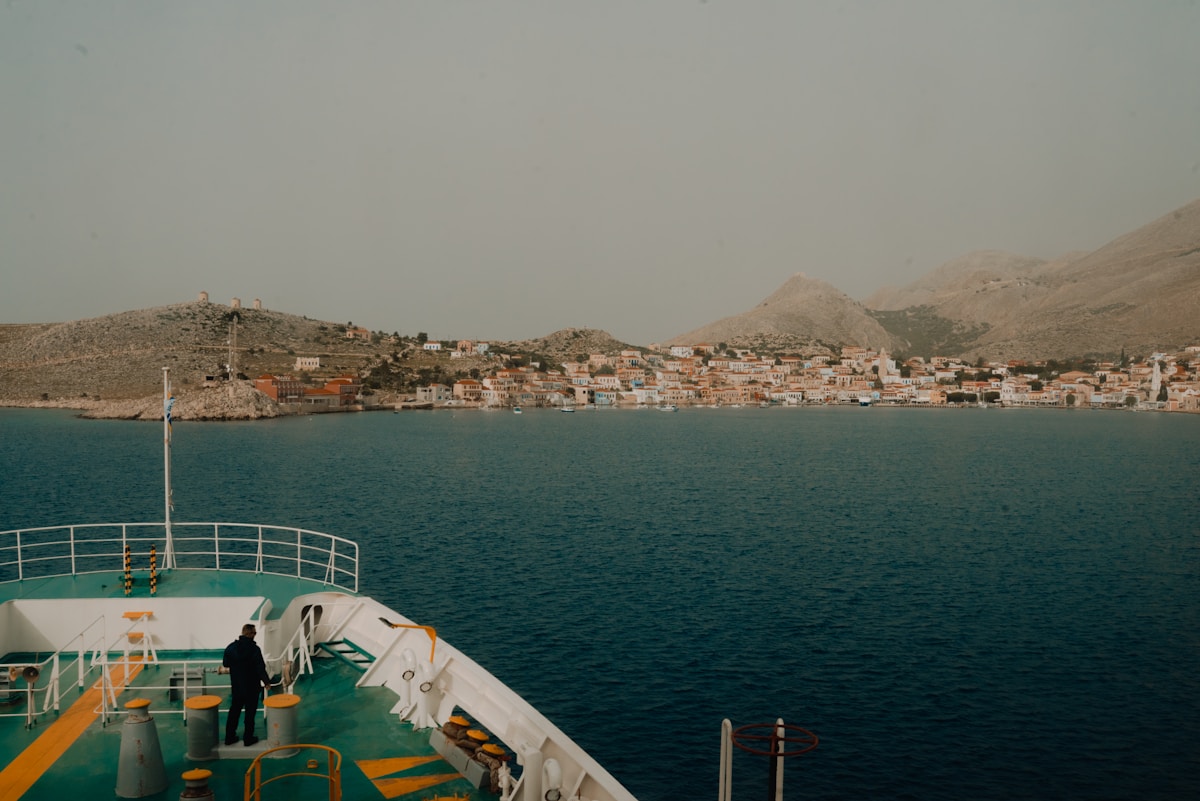
Halki is about 6 kilometres long and sits 16 kilometres west of Rhodes, close enough to reach easily but far enough to feel genuinely removed from the Dodecanese’s tourist circuit. The entire permanent population numbers under 300, making it one of the smallest inhabited islands in the group. There are no cars, no nightclubs, and no supermarket chains - just the horseshoe harbour of Nimborio, a ruined castle on the hill, a handful of tavernas, and hiking trails that reach otherwise inaccessible coves.
The name is often spelled Chalki on ferry timetables and official documents - both refer to the same island.
Getting to Halki from Rhodes
The main route is the ferry from Kamiros Skala, a small port on the west coast of Rhodes, approximately 35 kilometres south of Rhodes Town. The crossing takes around 1.5–2 hours depending on the vessel and sea conditions, and costs approximately €10–15 one-way as of 2026. The ferry typically runs once daily in summer, with some days seeing an additional afternoon departure during peak season.
Getting to Kamiros Skala from Rhodes Town: the public bus covers the route in around 45–50 minutes (departs from Rhodes Town KTEL bus station, fare approximately €3.50). Taxis from Rhodes Town run approximately €35–40 one-way. Confirm your departure time the night before - the ferry waits for no one, and missing it means a full extra day on Rhodes.
A less frequent catamaran service also operates from Rhodes Town harbour directly, taking around 1 hour and costing approximately €18–22. This is more convenient if you are staying in Rhodes Town, but runs less reliably outside peak season.
Top 3 Things to Do on Halki
1. Walk the Coastal Path to Ftenagia Beach
The most rewarding excursion from Nimborio is the 45-minute coastal path to Ftenagia, a long pebble beach on the island’s south side. The path climbs briefly out of the harbour, crosses the low ridge, and descends to a sheltered bay with crystal-clear water and no facilities beyond a seasonal canteen. Bring water and sun protection - shade is minimal. There is no entry fee. The path is marked but uneven in places; proper footwear (not flip-flops) is worthwhile.
2. Hike to the Crusader Castle of Chorio
The ruined castle above Nimborio was built by the Knights of St John during the Crusader period and is one of the better-preserved medieval fortifications in the smaller Dodecanese. The hike from the harbour takes approximately 30–40 minutes on a cobbled kalderimi path that passes through the abandoned village of Chorio - a ghost settlement that was inhabited until the 1950s when residents moved to the coast. Entry to the castle is free. Early morning or late afternoon hikes are recommended in summer; midday in July–August is genuinely punishing.
The views from the castle walls extend across the channel to Rhodes, with Alimia island visible to the northeast and the Turkish coast to the east. On a clear day you can see the acropolis of Kamiros on the Rhodes hillside.
3. Swim at Pondamos Beach
Pondamos is the closest beach to Nimborio, a 15-minute walk around the north side of the bay. The water here is calm and sheltered, making it suitable for families and non-swimmers. A seasonal sun-lounger operation sets up here in summer (approximately €8–10 per pair of loungers with umbrella). The beach café serves cold drinks and snacks. Pondamos is sandy/fine-pebble - unusual for the rocky Dodecanese - and the shallow water is excellent for snorkelling over the rocky outcrops at each end.
Where to Stay on Halki
Halki is a genuinely small island with limited accommodation. The entire visitor population bases itself in Nimborio, the single habited village clustered around the harbour. Options are few but charming, and the island’s scale means nothing is far from anything else.
Budget (from approximately €60–85/night)
Small guesthouses in Nimborio offer simple rooms in the harbour village at the most accessible prices on the island. These are typically family-run, with basic furnishings and shared or private bathrooms. Standards vary, but the best are clean and well positioned for the tavernas. From approximately €65/night as of 2026.
Self-catering studios near the harbour provide the most flexible budget option, with small kitchenettes allowing visitors to manage their own breakfast and the occasional light meal. The island’s small supermarket and bakery provide adequate supplies. From approximately €70/night as of 2026.
Mid-range (from approximately €90–150/night)
Captain’s House is a restored neoclassical mansion right on the Nimborio harbour front, run as a boutique guesthouse with around ten rooms. Some rooms have sea-view balconies and the building has real historic character among the painted neoclassical facades of the harbour. Book well in advance for July and August. From approximately €110/night as of 2026.
Villa Praxithea is a cluster of self-catering apartments near the harbour, popular with returning visitors who appreciate the flexibility of cooking some meals. The apartments sleep two to four people and work well for couples or small families. From approximately €95/night as of 2026.
Halki Sea House is a small property in the harbour area offering comfortable rooms with more amenities than the budget guesthouses, including air-conditioning and a small communal terrace. From approximately €100/night as of 2026.
Luxury (from approximately €180/night)
Halki has no large luxury resort hotels. The island’s premium offering is boutique accommodation in restored neoclassical properties, which combine character with a level of comfort that justifies higher prices in the context of the island. The best of these, including some privately bookable restored houses, run from approximately €180–220/night as of 2026. Booking through specialist Dodecanese operators sometimes unlocks properties not listed on mainstream platforms.
Book Rhodes island tours and day trips to Halki with GetYourGuide - Rhodes is the main departure point for ferries to Halki.
Search hotels in Halki, Greece on Booking.com
Rates move sharply with the season, so check live hotel availability and prices for Halki before you fix your dates.
Best Time to Visit
May and June are the optimum months: the sea is warm enough to swim comfortably (around 22–24°C), the island’s hillsides still have some green after the winter rains, hiking is comfortable, and visitor numbers are low enough to have beaches to yourself. September mirrors this - perhaps the best month of all, with warm water, fewer people, and lower prices than peak summer.
July and August bring the majority of the island’s annual visitors, mostly British package tourists and Greek holidaymakers from Rhodes. The harbour is at its most atmospheric in the evenings, but daytime hiking becomes difficult in the heat (regularly above 35°C). Accommodation books out early and prices rise.
October onwards sees ferry services reduce to 3–4 per week, and most tavernas close by mid-October. The island is not set up for winter visitors.
Practical Tips
Halki has one main street, one small supermarket, a bakery, and around half a dozen tavernas and cafés. Card payments are increasingly accepted but cash is useful for small purchases and the ferry. There is one ATM in the village - bring enough cash from Rhodes as a backup in case it is out of order.
Mobile reception on Halki is reasonable for calls and basic data but patchy in the hills. There is no hospital; the nearest medical facilities are in Rhodes. For emergencies, a speedboat transfer to Rhodes is the standard approach.
The island’s drinking water comes from desalination - tap water is technically potable but most visitors drink bottled water. Restaurants and cafés fill water jugs from filtered sources.
The car-free environment makes Halki exceptionally quiet after dark. Nightlife consists of sitting at a harbourfront table until late - which turns out to be exactly what most visitors want after the first day.
For the full picture of the wider island group, see our Dodecanese travel guide.
Frequently Asked Questions
- How do I get to Halki from Rhodes?
- The main connection is the daily ferry from Kamiros Skala on the west coast of Rhodes, approximately 1.5–2 hours. There is also a less frequent catamaran service. Fares are approximately €10–15 one-way. The ferry schedule changes seasonally - check ANEK or local operators. From Rhodes Town, take a bus or taxi to Kamiros Skala (approximately 45 minutes, around €35 by taxi).
- Are there cars on Halki?
- No private cars are permitted on Halki. The island has a handful of motorbikes and a quad for residents. Everywhere you need to go is reachable on foot - the village of Nimborio wraps around the harbour, and hiking trails lead to the castle and other beaches. This makes the atmosphere genuinely quiet and pedestrian in every sense.
- What is the best time to visit Halki?
- May, June, and September are ideal - warm enough to swim, uncrowded, and with the ferry running regularly. July and August bring more visitors (though still modest by Dodecanese standards) and intense heat. Outside summer, ferry schedules reduce significantly. Spring (April–May) is excellent for hiking when the island is green and wildflowers bloom.
- Is there accommodation on Halki?
- Yes, there are several small hotels, guesthouses, and villa rentals in Nimborio. The island has hosted a British tour operator (Laskarina Holidays) for decades, so standards are generally good. Rooms book up quickly in July and August - reservations are strongly advisable. There is no camping on the island.
Book an experience
Top experiences in Halki
Explore the best tours and activities in Halki, with instant confirmation and free cancellation on most bookings.
Planning to visit? Browse hotels in Halki, free cancellation on most bookings.