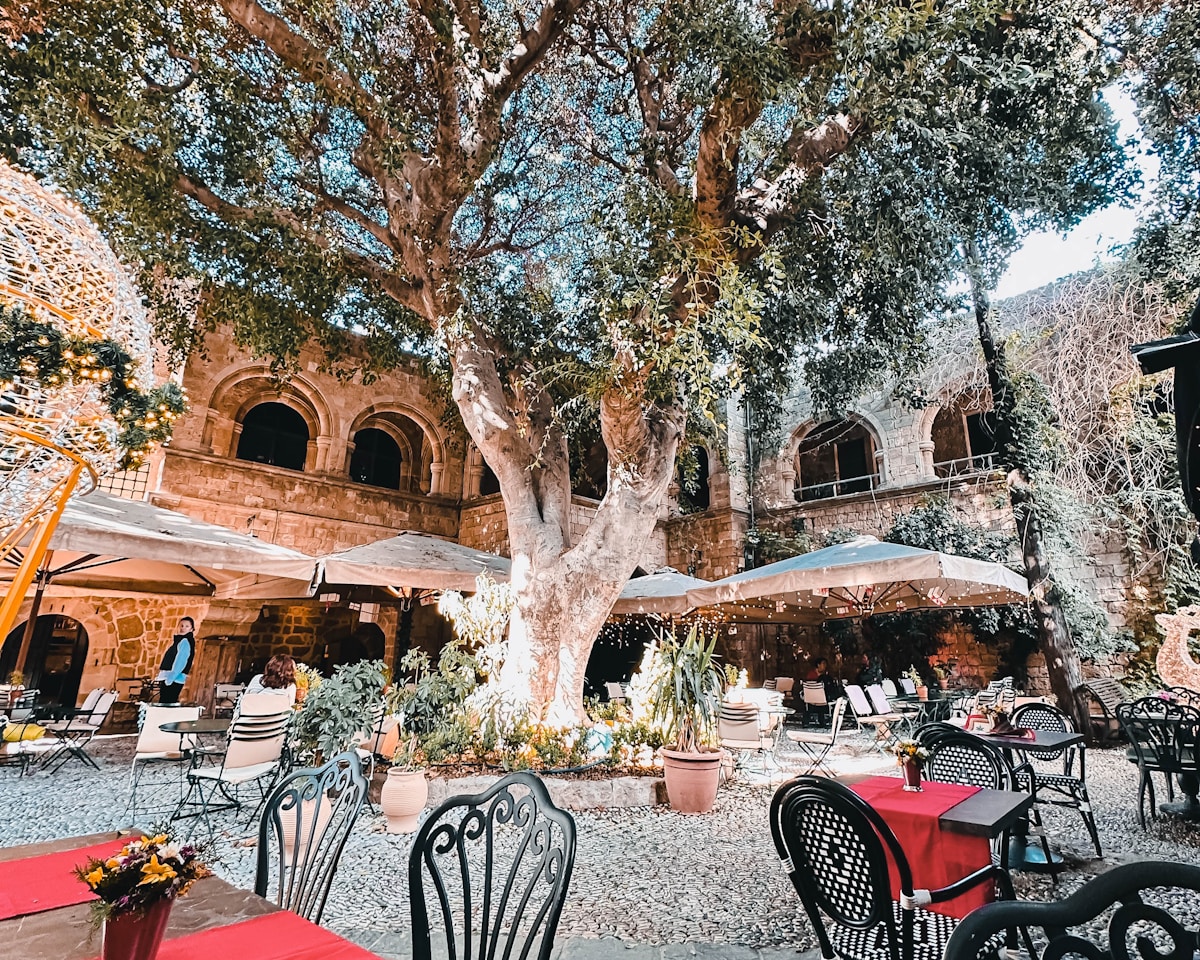
Rhodes has one of the most layered food histories in the Aegean. The island spent centuries under Ottoman rule, then Italian administration, and has a Jewish culinary tradition (Romaniote and Sephardic) that predates most of the other influences. The result is a kitchen that uses ingredients and techniques you will not find in the same combination anywhere else in Greece. Chickpea fritters, local wine from ancient grape varieties, fresh octopus from the Dodecanese waters, and slow-cooked lamb dishes with Middle Eastern spice notes all sit comfortably on the same table. A food tour is the most efficient way to navigate the Old Town and find what is genuinely local. All prices are approximate as of 2026.
Top Tours at a Glance
| Tour | Duration | Price (from) | Group Size | Highlights |
|---|---|---|---|---|
| Rhodes Culinary Walk | 3.5 hrs | from EUR 70/person | Max 10 | Old Town market, pitaroudia tasting, spice shops, meze lunch with Athiri wine |
| Taste Rhodes Food and Wine Tour | 4 hrs | from EUR 85/person | Max 8 | Structured wine tasting (Athiri, Mandilari, Muscat), sommelier-led |
| Rhodes Old Town Walking Tour | 2.5 hrs | from EUR 30/person | Small group | Medieval walled city, Socratous Street, Jewish Quarter |
| Rhodes Wine Tour to Embonas | Full day | from EUR 40/person | Small group | CAIR cooperative (EUR 5–10 tasting), Emery Winery (EUR 8–15 tasting) |
Browse all Rhodes tours → GetYourGuide
What Defines Rhodian Cuisine
The Dodecanese diet is built on pulses, fresh fish, and local dairy. Chickpeas appear in multiple forms - as pitaroudia fritters, in soups, and as a slow-cooked braise with vegetables. The island grows spearmint (dyosmos) in quantity, and it appears in pitaroudia, in salads, and stuffed into vine leaves far more frequently than in mainland Greek cooking.
Cheese production centres on soft mizithra and a harder aged version sometimes called ladera. Both are made from sheep’s and goat’s milk from island herds. The mizithra is used fresh in pastries and salads; the aged version is eaten with honey or paired with the local red wine.
Wine is the other distinctive feature. Rhodes was producing wine before classical antiquity - the island’s sun-exposure, volcanic soil pockets, and warm Aegean climate suit the Athiri and Mandilari grape varieties that have grown here for at least two millennia.
Food Tours in Rhodes Old Town
Rhodes Culinary Walks runs a 3.5-hour morning tour (approximately EUR 70 per person, maximum 10 guests) starting at the Mandraki Harbour columns - the site of the Colossus of Rhodes - and moving into the walled city via the Gate of St Paul. Stops include a bakery making tiropita and pitaroudia, a family-run deli selling local cheeses and cured meats, a spice shop on Socratous Street where the guide explains which herbs are grown on Rhodes versus imported, and a meze lunch at a traditional taverna in the lower old town. Wine is included at the final stop - a glass of Athiri alongside the food.
Duration: 3.5 hours
Meeting point: Mandraki Harbour, by the deer statues at the harbour entrance
What’s included: All tastings, guide, meze plate and wine at final taverna
Group size: Maximum 10
Best time: 9am or 10am departure, April through October
Taste Rhodes offers a 4-hour walking tour (approximately EUR 85 per person, maximum 8 guests) that covers more ground: the same Old Town walk but with an extended visit to a local wine shop for a structured tasting of three wines - an Athiri, a Mandilari, and the Muscat of Rhodes sweet wine - alongside a curated plate of local cheeses and olives. The wine component is run by a certified sommelier rather than a generalist guide. Better suited to visitors with a specific interest in Dodecanese viticulture.
Book via GetYourGuide or direct with operators. Both require 48-hour advance booking in summer.
The Old Town Market and Socratous Street
Socratous Street runs through the heart of the old town and hosts the main market. The northern section is primarily tourist goods - ceramics, jewellery, linens - but the lower half, approaching the Jewish Quarter, carries genuine food shops: spice dealers, olive oil producers, local honey sellers, and delis with regional cheeses.
The spice shops worth visiting are those with open sacks of whole dried herbs rather than pre-sealed tourist packaging. Spearmint, oregano, thyme, and dried sumac from the Dodecanese are sold at prices significantly below what you would pay at an airport. Oregano from Karpathos (a smaller Dodecanese island south of Rhodes) is regarded by local cooks as superior to mainland varieties - worth asking for specifically.
The covered market building near Hippocrates Square has fresh produce and fish daily until approximately 2pm. The fish section is worth seeing regardless of whether you buy - the variety of Aegean species on display gives a concrete sense of what the surrounding sea produces.
Pitaroudia: Where to Eat Them
Every traditional taverna in Rhodes makes pitaroudia, but quality varies significantly depending on whether they fry them to order or keep them warm in a tray. The former produces a crisp exterior with a soft, herb-fragrant interior; the latter produces a dense, slightly greasy result.
Taverna Kostas in the lower old town near the Panagia tou Kastrou church (approximately EUR 8 to EUR 12 for a pitaroudia meze portion) fries them fresh throughout service and consistently receives mention from Greek food journalists who visit the island. Cash only. No reservations.
To Steki near the Roloi clock tower makes a version with extra spearmint and less onion that is noticeably lighter than the standard recipe. The owner (third generation at the same address) will tell you how his grandmother adjusted the ratio, if you ask.
A full meze plate of pitaroudia alongside tzatziki and olives costs approximately EUR 10 to EUR 16 at most Old Town tavernas. Eat them hot - they cool quickly and the texture suffers.
Wine Tasting: CAIR and Beyond
The CAIR cooperative winery operates near Embonas village in the highlands of Rhodes, approximately 45km from Rhodes Town. It is the island’s largest producer and the most accessible for tastings - the visitor centre is open daily (approximately EUR 5 to EUR 10 for a guided tasting, depending on the selection) and the range covers all main Rhodian styles including the Muscat fortified wine.
For a more focused experience, Emery Winery in Embonas village (approximately EUR 8 to EUR 15 for tasting, varies by wine range) is a smaller operation with a longer history in single-vineyard Athiri. The winery sits above the village at approximately 800m altitude - the cooler temperatures at elevation produce wines with more aromatic complexity than lowland equivalents.
Getting to Embonas requires a rental car or a private day tour from Rhodes Town (approximately EUR 40 to EUR 60 per person including transport and tastings). Several food tour operators combine the old town walk with an afternoon drive to Embonas in a full-day format.
Jewish Quarter and Sephardic Food Traditions
The Kahal Shalom Synagogue district in the southeastern corner of the Old Town preserves evidence of a Jewish community that lived on Rhodes for centuries before the Second World War. The food traditions of this community overlap significantly with Rhodian cuisine - chickpeas, aubergine preparations, and pastries using honey and almonds appear in both. Several small cafes near Dosiadou Street serve dishes that draw on this heritage.
Meze Steki near the Jewish Quarter (approximately EUR 15 to EUR 25 per person for a full meze spread) includes a version of pitaroudia alongside aubergine dip, fresh mizithra with honey, and slow-cooked lamb with herbs. It is one of the few spots in the old town that explicitly acknowledges the multiple culinary traditions that make up Rhodian cooking.
Best Season for a Rhodes Food Tour
April through June and September through October offer the most comfortable conditions - temperatures are manageable, tour groups are smaller, and the morning Old Town walks are not competing with the large August crowds. July and August tours run reliably but are best booked for 8am or 9am departures before the heat builds and the cruise excursions fill the streets.
The CAIR and Emery wineries are accessible year-round, though harvest (typically late August to September for Mandilari, slightly later for Athiri) is the most interesting time to visit if you can organise it.
Booking a Rhodes Food Tour
Browse Rhodes food tours on GetYourGuide and filter by “morning” and “small group” to find the best-structured options. Confirm that all tastings are included in the quoted price. The tours listed above include food and wine at all stops - some lower-priced tours treat each tasting as an optional purchase.
Need a base? Search hotels in Rhodes.