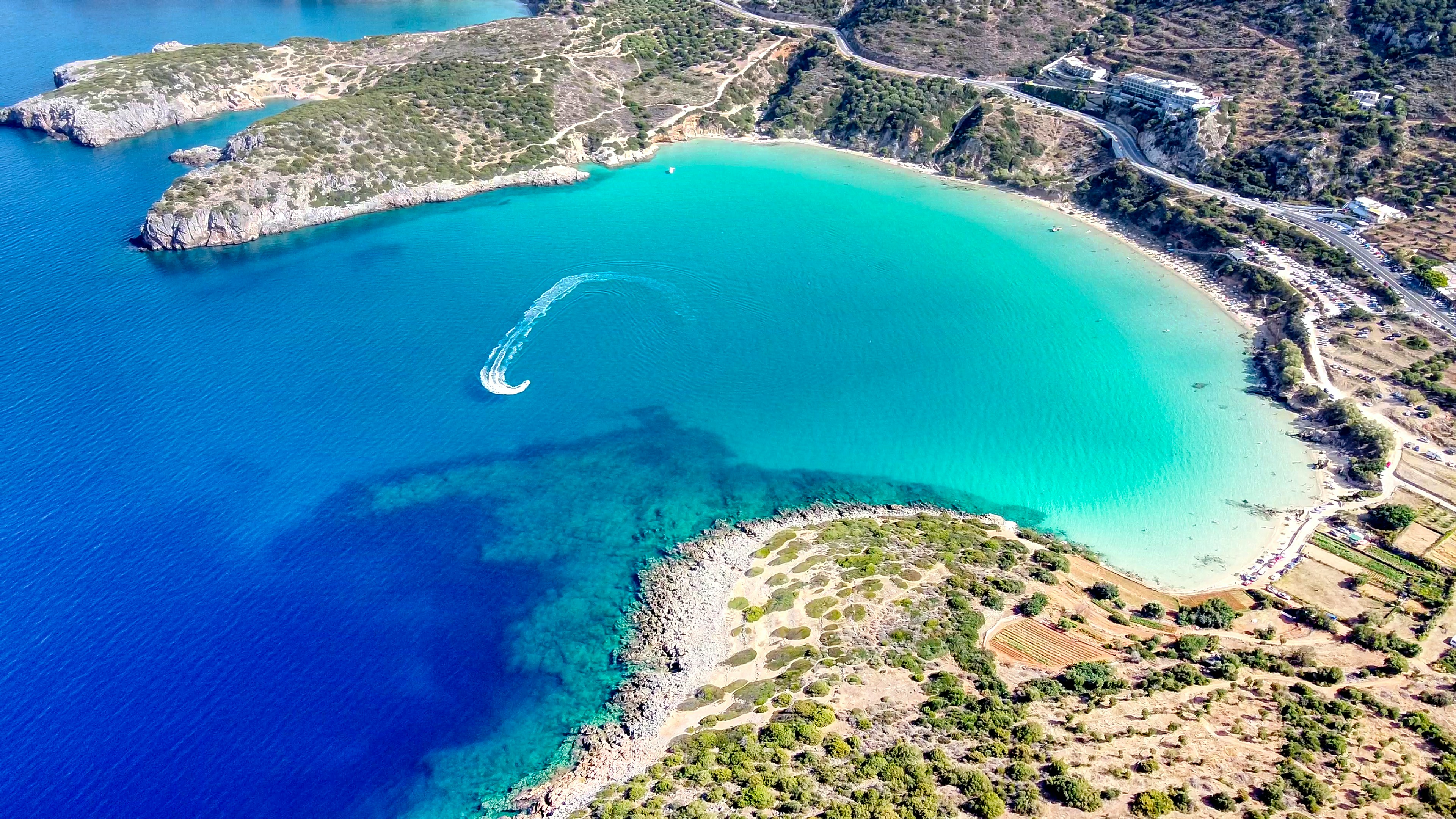
Crete has more than 1,000 kilometres of coastline and an enormous range of beach types - from pink-sand lagoons to dramatic gorge-exit coves and palm-fringed shores. Knowing which ones are worth the drive separates a good trip from a great one. This guide covers the 10 best beaches across the island, with honest notes on access, facilities, and what makes each one special.
Top Beach Tours at a Glance
| Tour | Duration | Price (from) | Group Size | Highlights |
|---|---|---|---|---|
| Crete: Balos Lagoon and Gramvousa Island Cruise | Full day | from €45 | Up to 300 | Balos lagoon, Gramvousa castle, buffet lunch optional |
| Heraklion: Elafonissi Beach Full-Day Trip | Full day | from €40 | Up to 50 | Pink sand, shallow lagoon wading, guided commentary |
| Chania: Boat Trip to Seitan Limania and Stavros | 5 hrs | from €35 | Small group | Secret coves, crystal water, swimming stops |
| Rethymno: Preveli Beach and Palm Forest Trip | 5 hrs | from €38 | Up to 20 | River gorge, palm beach, boat crossing |
Browse all Crete beach tours → GetYourGuide
Elafonissi - Pink Sand Lagoon
Elafonissi sits at the far southwest tip of Crete, roughly 75km southwest of Chania (about 1.5 hours by car). The sand has a pale pink hue caused by crushed shells and coral, and the lagoon is rarely more than waist-deep, making it safe for children. A small islet is reachable on foot when the water is low.
Access: The road is fully paved. Parking costs approximately €5 in high season. Organised beach tours depart Chania and Heraklion daily (from €25 per person). Facilities: Multiple beach bars, sunbed hire (€8–12 per set), portable toilets, a small café. Best season: June and September - the beach draws 5,000+ visitors daily in August.
Balos - The Lagoon Postcard
Balos lagoon is arguably Crete’s most recognisable view: turquoise water, white sandbars, and a ruined Venetian castle on the headland. It sits near the Gramvousa Peninsula on the northwest coast.
Access two ways: Drive the 9km dirt track from the Kissamos–Kastelli road (rough but manageable in a standard rental car, €5 parking) then walk 20 minutes down to the beach. Or take the daily ferry from Kissamos port - approximately €20 return, journey time 45 minutes. Ferries run May through October. Facilities: One beach bar, sunbed hire, no shade trees - bring an umbrella. Note: The sand at Balos is coarser than Elafonissi and the sea slightly deeper; snorkelling is excellent around the rocky edges.
Falasarna - Sunsets and Soft Sand
Falasarna is a long, wide sandy beach on the northwest coast, about 55km from Chania (1 hour by car). It consistently ranks among the cleanest beaches in Greece and regularly wins Blue Flag status. The orientation faces west, making it one of the best spots on the island to watch the sun set over the sea.
Access: Paved road to the beach; free parking for the first 200m, then paid parking further back (€3). Facilities: Several beach bars and tavernas lining the beach, showers, sunbed hire (€10 per set), changing rooms. Nearest town: Platanos village, 2km away, has a small supermarket and a couple of restaurants.
Vai - Europe’s Largest Palm Forest
Vai beach on the far east coast, about 95km from Heraklion (1.5 hours), is backed by a natural forest of approximately 5,000 Phoenix theophrasti palms - the only native palm in Europe. The beach itself is pleasant rather than extraordinary, but the setting is genuinely unique.
Access: Paved road; parking €3. Buses run from Sitia (30 minutes, around €3 each way) several times daily in summer. Facilities: Beach bar, sunbed hire, toilets, showers. A small kiosk sells drinks and snacks at the forest entrance. Tip: The palm forest closes at dusk; visit in the morning when the light filters through the palms and before the tour buses arrive.
Preveli - River, Gorge, and Palms
Preveli beach is at the mouth of the Kourtaliotiko Gorge on the south coast, where a freshwater river meets the sea among another cluster of palm trees. The journey is part of the experience - you either hike 30 minutes down from the Preveli monastery car park or take a boat taxi from Plakias (€10 each way, runs daily in summer).
Access: Car park at the top of the gorge; the path down is steep and rocky, unsuitable for sandals. The boat from Plakias is easier if you’re not comfortable on rough terrain. Facilities: None on the beach itself - bring everything you need. Nearest town: Plakias, 12km away, has supermarkets, pharmacies, and good tavernas.
Matala - Cave Caves and Crescent Bay
Matala on the south coast, 70km from Heraklion, has a crescent-shaped beach flanked by sandstone cliffs riddled with ancient cave tombs - originally Neolithic burial chambers, later inhabited by hippies in the 1960s. The caves are now fenced off but you can walk to them. The beach itself is sandy and well-organised.
Access: Paved road, paid parking (€3). Buses from Heraklion run twice daily (2 hours, €7). Facilities: Beach bars, tavernas right on the seafront, sunbed hire, showers, toilets. The village behind the beach has accommodation, minimarkets, and restaurants. Best for: History, atmosphere, and avoiding the northwest coast crowds - Matala gets busy but never reaches Elafonissi levels.
Agia Marina - Family-Friendly Near Chania
Agia Marina is a 5km sandy beach 9km west of Chania - easy to reach by local bus (KTEL, €1.80, every 30–40 minutes) or by car in 15 minutes. The water is calm, shallow at the edges, and the beach is cleaned daily. It has the best infrastructure of any beach near Chania.
Access: Serviced by KTEL bus from Chania; parking is easy with a rental car. Facilities: Dozens of beach bars and tavernas, water sports hire (pedalos, kayaks, banana boats), sunbed hire (€6–10 per set), showers, changing rooms. Nearest accommodation: A dense strip of hotels along the beachfront road - Minoa Palace (from approximately €120/night) and Creta Maris (from €90/night) are well-regarded options within 1km.
Plakias - Low-Key South Coast
Plakias is a long pebble-and-sand beach on the south coast, popular with Greek visitors and those who prefer a less commercialised atmosphere. The village has a relaxed feel - a handful of tavernas, a couple of dive schools, and a good supermarket.
Access: Drive south from Rethymno (35km, 45 minutes) or take the summer bus service (daily in July–August). Facilities: Two beach bars, sun lounger hire, showers. The Dive2Gether centre runs snorkelling and diving sessions from €35. Nearest town: Plakias itself - tavernas like Medousa and Nikos serve fresh fish at reasonable prices.
Kedrodasos - Wild and Unspoilt
Just 2km west of Elafonissi along a rough track, Kedrodasos is a quieter beach backed by cedar trees (kedros = cedar). The water is similar in colour to its famous neighbour but you’ll share it with far fewer people. There are no facilities whatsoever.
Access: Walk from the Elafonissi car park (20–25 minutes on a coastal path) or park near the track entrance (4WD recommended). Facilities: None - bring water, food, and sun protection. Best for: Those who find Elafonissi too crowded and are happy to carry their own supplies.
Glyka Nera (Sweet Water Beach) - Boat-Access Cove
Glyka Nera near Loutro on the south coast is only accessible by boat or by a 90-minute hike from Hora Sfakion. The name comes from freshwater springs that seep through the pebbles at the waterline, creating pockets of cool fresh water among the saltwater. The setting - a small cove under steep white cliffs - is unlike anything else on the island.
Access: Water taxis from Loutro (€5 each way) or Hora Sfakion (€6 each way) run daily in summer. The hiking path is marked but demanding - carry 2 litres of water. Facilities: One seasonal beach taverna sells cold drinks and basic food. Best for: Snorkelling - the underwater visibility is exceptional and the rocks host octopus, wrasse, and sea urchins.
Practical Notes for Crete Beaches
Getting around: Renting a car (from approximately €30/day from companies like Sixt, Europcar, or local firm Motor Plan in Heraklion) is the most flexible option. Buses serve major resorts but remote beaches like Kedrodasos and Glyka Nera require either a car or boat.
Timing: July and August are peak months - Elafonissi and Balos can feel overwhelmed. June and September offer the same warm water (22–25°C) with noticeably fewer crowds. May and October are good for exploring with the beaches mostly to yourself.
What to bring: Sunscreen, a beach umbrella, and cash - many remote beach bars don’t accept cards. The Cretan summer sun is intense; a hat and reef-safe sunscreen are worth packing for every beach visit.