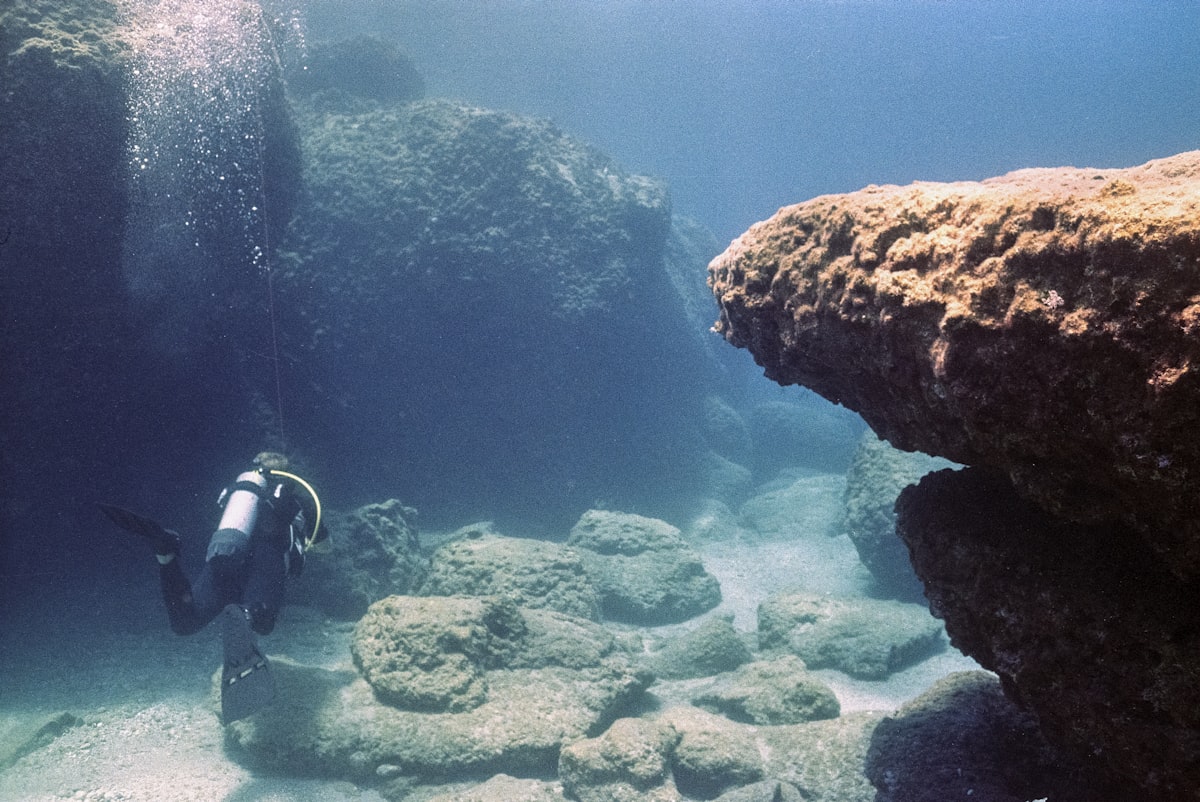
Greece sits at the intersection of three seas - the Aegean, Ionian, and Mediterranean - and what lies beneath the surface rivals anything above it. Crystal visibility, ancient amphoras scattered across the seabed, volcanic formations, and a warm diving season that stretches from June through October make this one of Europe’s most rewarding underwater destinations.
Top Tours at a Glance
Here’s a quick comparison of top-rated tours on GetYourGuide:
| Tour | Duration | Price (from) | Group Size | Highlights |
|---|---|---|---|---|
| Santorini Caldera Scuba Diving (2 tanks) | 4 hrs | from $98/person | Small group (max 8) | Volcanic walls, groupers, 25-30m visibility |
| Zakynthos Shipwreck Snorkeling Boat Trip | 4 hrs | from $42/person | Group | Navagio Beach, Peristera wreck shallows |
| Crete Dia Island Turtle Dive | Full day | from $85/person | Small group | Loggerhead sea turtles, 2-tank certified dive |
| Milos Kleftiko Sea Caves Snorkel Cruise | 6 hrs | from $58/person | Group | Sea cave swim-throughs, volcanic rock |
| PADI Discover Scuba Diving - Greek Islands | 3 hrs | from $68/person | Small group (max 6) | Intro dive to 12m, no certification needed |
Browse all Greece diving & snorkeling tours → GetYourGuide
Why Dive in Greece?
Greece lifted its ban on recreational diving only in 2005, which means its underwater sites are comparatively undisturbed. Visibility regularly reaches 30 metres in peak season. Water temperatures climb to 26–28°C between July and September, making a 3mm wetsuit comfortable for most divers. The mix of geology - volcanic calderas, sea caves, limestone drop-offs - produces dive profiles that suit beginners and technical divers alike.
Best Scuba Diving Spots
Santorini Caldera
The caldera is Santorini’s most dramatic dive. The volcanic geology creates walls that drop steeply from 5 metres to over 30 metres, with hot springs on the seabed that maintain water temperature slightly above the surrounding sea. Divers encounter large groupers, bream, moray eels, and occasional octopus threading through the rock. Visibility here can reach 25–30 metres. Most dive centres on Santorini run two-tank excursions into the caldera for approximately €95–€120 as of 2026, including kit.
Recommended operator: Santorini Diving Centre (Perissa) runs PADI-certified caldera excursions for certified divers, with guided briefings covering the volcanic context. Two-tank boat dives from approximately €100 per person.
Zakynthos - Peristera Shipwreck
The Peristera, a small cargo vessel, sits upright in 15 metres of water near the coast of Zakynthos, making it one of the most accessible wreck dives in Greece. It is largely intact - you can penetrate the hold - and encrusted with gorgonian fans, nudibranchs, and sea stars. A second, less-visited wreck, the Keri Caves dive site nearby, adds underwater arch and cave formations to any multi-day itinerary. The famous MV Panagiotis on the beach at Navagio is above the waterline, but snorkelers can explore the shallows at Navagio from local boat tours.
Recommended operator: Nefos Diving Centre (Zakynthos Town) offers wreck dives from approximately €55 per dive for certified divers, equipment included. PADI Open Water courses start at around €380.
Crete - Elephant Cave and Dia Island
Crete has the longest coastline of any Greek island and the most varied diving. Elephant Cave near Rethymno is a sea cave system that extends from 8 to 28 metres, with rays and large bream frequently spotted in the entrance. Dia Island, 12 km north of Heraklion, is a marine reserve where loggerhead sea turtles (Caretta caretta) are regularly seen. Most Crete dive centres organise two-tank Dia Island day trips from June to September.
Recommended operators:
- Blue Dome Divers (Rethymno): PADI instruction and guided dives, cave and reef options. Two-tank dives from approximately €75.
- Crete Diving Centre (Heraklion): Dia Island turtle dives from approximately €85 for a two-tank excursion.
Milos - Kleftiko Sea Caves
Milos is largely undiscovered by divers, which is precisely why it stands out. Kleftiko, on the island’s southern coast, is a cluster of volcanic sea stacks with caves and arches accessible only by boat. Underwater, the formation continues with tunnels and swim-throughs from 5 to 20 metres. The site is also easily snorkeled from the boat - clear water and shallow entrances make it suitable for confident surface swimmers. Most dive operators on Milos run small-group boat trips to Kleftiko.
Recommended operator: Milos Diving Centre (Adamas): guided Kleftiko cave dives from approximately €65 per person, with snorkel-only options also available.
Rhodes and the Dodecanese
The Dodecanese offer some of the warmest water in Greece. Off Rhodes, the site at Akra Ladiko (Anthony Quinn Bay) is popular for its accessibility - the site starts just below the surface - and for the groupers and trumpet fish that patrol the boulders. Kastellorhizo and Symi, further into the Dodecanese, have sea caves and Roman-era anchors on sand flats at 18–25 metres.
Recommended operator: Waterhoppers Diving School (Rhodes Town): PADI courses from Open Water (from approximately €380) through Divemaster, plus daily guided dives from around €55.
Best Snorkeling Beaches
Snorkeling requires nothing more than a mask, fins, and calm water - all three are easy to find in Greece.
Navagio Beach (Zakynthos): The enclosed bay is calm and clear to 5–8 metres. Reach it by boat from Porto Vromi or Skinari. Snorkel hire available on boat tours for approximately €5.
Kleftiko (Milos): Accessible on boat day trips from Adamas. The cave entrances are shallow enough for snorkelers, with Poseidon seagrass and bream visible just below the surface.
Balos Lagoon (Crete): The lagoon shallows are 1–3 metres deep with sand and rock, used regularly by loggerheads. Equipment hire at the beach from approximately €8.
Elafonisi Beach (Crete): The pink-sand shallow bay extends for several hundred metres at waist depth, with dense posidonia seagrass attracting octopus and sea urchin.
Agios Sostis (Zakynthos): Shallow rocky drop-offs directly off the shore. No facilities - bring your own equipment.
Anthony Quinn Bay (Rhodes): Rocky entries on both sides of the bay, clear water, and a resident population of grouper. Rentals available from beach chairs from approximately €8.
Certification Options
All major sites in Greece offer PADI certification. The standard sequence:
- Discover Scuba Diving (DSD): A half-day introduction for non-certified divers, conducted in a pool or sheltered bay to 12 metres under direct instructor supervision. Cost: approximately €65–€80 at most centres as of 2026. No prior experience needed.
- PADI Open Water: The entry-level certification valid to 18 metres, recognised worldwide. Typically takes 3–4 days combining e-learning (completed before arrival), confined-water sessions, and 4 open-water dives. Cost: approximately €360–€420 depending on centre and location.
- PADI Advanced Open Water: Extends your depth limit to 30 metres and adds specialisations (deep, navigation, wreck, etc.). Requires 2 days minimum. Cost: approximately €280–€340.
- PADI Rescue Diver and Divemaster: Available at larger centres on Crete, Santorini, and Rhodes. Some centres offer 6-week Divemaster internships with accommodation packages.
Most centres accept PADI, SSI, BSAC, and CMAS certifications from visiting divers.
Marine Life
Loggerhead sea turtles (Caretta caretta): Zakynthos (Laganas Bay) and Crete (Rethymno, Chania) are key nesting sites. Turtles are regularly spotted feeding in shallow water between June and August. Maintain a 2-metre distance and do not chase or touch.
Moray eels: Common in rocky crevices from 8 metres down at most sites. Look closely - they blend into the rock.
Groupers: Large, curious fish. Easily seen at Anthony Quinn Bay (Rhodes), Dia Island (Crete), and the Santorini caldera.
Octopus: Prevalent on sand and rock from 5 metres down. Most active at dusk.
Nudibranch species: Dozens of species on wrecks and rocky substrates. Peristera wreck (Zakynthos) is a reliable nudibranch site.
Posidonia seagrass meadows: Protected under EU law. Home to seahorses, pipefish, and juvenile sea bass. Visible on the surface at Balos and Elafonisi.
Equipment Rental
Every PADI dive centre includes full equipment in guided dive prices. For snorkeling or independent divers:
- Mask + fins + snorkel set: approximately €8–€12 per day at beach hire shops
- Full scuba kit hire: approximately €20–€35 per day at dive centres (for certified divers without a guide)
- Wetsuit (3mm): approximately €8–€12 per day
- Underwater camera hire: available at larger centres, typically €15–€25 per dive
Bring your own mask if possible - hire masks vary in fit and visibility. A well-fitting mask makes the difference between a comfortable dive and a frustrating one.
Best Season
June to October is the reliable window. July, August, and September offer the warmest water (26–28°C), longest calm spells, and fullest availability from dive operators. June is good - less crowded, water around 22–24°C - and late September through October sees temperatures hold well while the summer tourist crowds thin significantly.
Outside this window, diving is possible on the western islands (Corfu, Kefalonia, Zakynthos) through November, but operator availability drops steeply. The Aegean winter brings rougher conditions and many centres close.
Meltemi wind alert: The Aegean meltemi blows hard from the northwest between July and August. It rarely affects underwater conditions, but it can cancel boat trips to exposed sites like Kleftiko (Milos) and Dia Island (Crete) for 2–3 days at a stretch. Build flexibility into your schedule if diving these sites in peak summer.
Book tours and activities across Greece with GetYourGuide. Pick up a Greece eSIM before you fly - keeps you connected without roaming charges.
Practical Tips
- Carry your certification card at all times - dive centres are required to sight it before booking guided dives.
- Book dive centre spaces at least 24 hours ahead in July and August; popular sites (Navagio, caldera) fill up quickly.
- Greek law prohibits removing any underwater object - shells, pottery shards, marine life. Fines apply.
- Laganas Bay (Zakynthos) is a protected marine area: no motorised water sports, anchoring, or underwater flash photography is permitted near nesting beaches between May and October.
- Most dive centres accept credit cards, but bring cash for smaller snorkel hire outfits.
- Travel insurance with dive cover (to at least 30 metres) is strongly recommended. DAN (Divers Alert Network) policies cover most standard scenarios from approximately €90 per year.