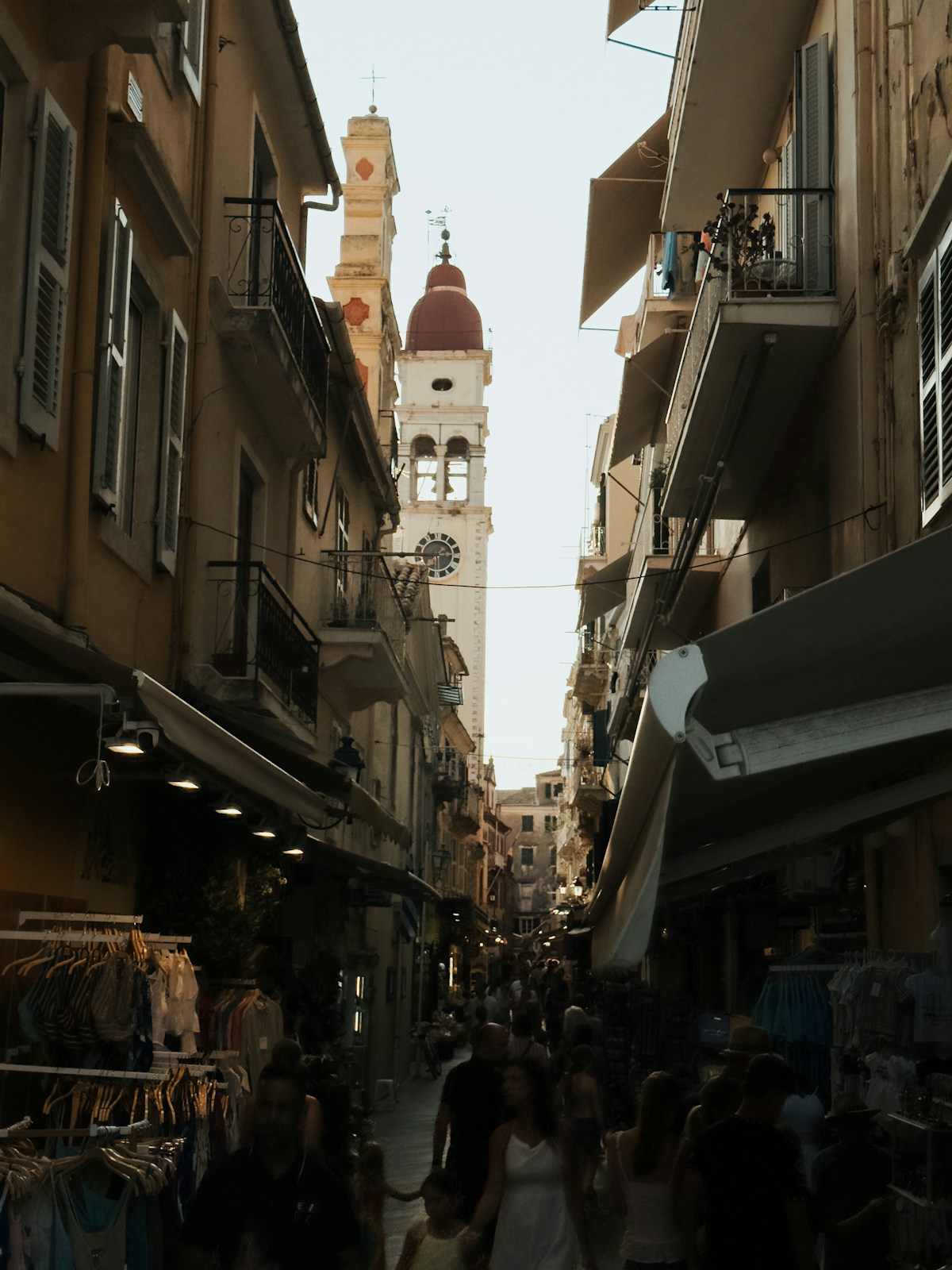
Corfu’s food culture is the most Italian-influenced in Greece, and with good reason - Venice controlled the island for over four centuries, a period that left an imprint on the architecture, the dialect, and the kitchen. Sofrito, bourdeto, and pastitsada (pasta with a rich meat ragù) are Venetian dishes adapted over generations to Ionian ingredients. The island also grows kumquats exclusively within Greece, producing liqueur and preserves that have no counterpart elsewhere in the country. A food tour through the old town cuts through the seafront tourist traps and finds the restaurants and producers still making things the right way. All prices are approximate as of 2026.
Top Tours at a Glance
Here’s a quick comparison of top-rated tours on GetYourGuide:
| Tour | Duration | Price (from) | Group Size | Highlights |
|---|---|---|---|---|
| Corfu Old Town Food Walk | 3 hrs | from $62/person | Small group (max 8) | Kumquat tasting, sofrito, Venetian quarter |
| Ionian Tastes Food & Dining Tour | 4 hrs | from $78/person | Small group (max 6) | Bourdeto, sofrito, full sit-down meal |
| Corfu Cooking Class with Market Visit | 4 hrs | from $108/person | Small group (max 6) | Market walk, hands-on sofrito & bourdeto |
| Corfu Town History & Food Walk | 3 hrs | from $52/person | Group | Liston arcade, Venetian architecture, tastings |
| Corfu Wine & Local Produce Tour | 3.5 hrs | from $68/person | Small group (max 10) | Olive oil, local wine, Corfu cheese |
Browse all Corfu tours → GetYourGuide
What Defines Corfiot Cuisine
The Ionian kitchen differs from the Aegean in one fundamental way: it uses more olive oil, wine, and vinegar in slow cooking, and less lemon. The influence is Venetian rather than Ottoman or Byzantine. Dishes are braised and sauced; fish is stewed rather than simply grilled. The flavours are deeper and richer than the classic “Greek food” most visitors have in mind when they arrive.
The island has its own olive oil production - Lianolia is the native variety, producing a lighter, less bitter oil than Koroneiki from Crete and the Peloponnese. It is sold at market stalls in Corfu Town and exported in small quantities. Local honey from the island’s hillside hives has a thyme and wildflower character suited to the Ionian climate.
Cheese production centres on local feta and soft goat’s cheeses from the island’s interior. Pasteli (sesame honey candy) is also made here, as is a version of the pastry called fogatsa - a brioche-like bread flavoured with orange and traditionally eaten at Easter.
Guided Food Tours in Corfu Old Town
Corfu Food Walks runs a 3-hour morning tour (approximately EUR 65 per person, maximum 8 guests) starting at the Spianada (Esplanade) square and moving through the Venetian quarter into the market streets. Stops include a producer selling kumquat liqueur with a tasting of three expressions (clear, amber, and rose), a traditional bakery making bogatsa (custard pastry, the Corfiot version of bougatsa) and fogatsa bread, a family-run deli with local olive oil, cheeses, and cured meats, and a final stop at a taverna for a half-portion of sofrito with bread.
Duration: 3 hours
Meeting point: Liston arcade, north end of the Spianada, by the Café Liston
What’s included: All tastings including kumquat flight and sofrito plate, guide
Group size: Maximum 8
Best time: 9am departure, May through October
Ionian Tastes offers a longer 4-hour format (approximately EUR 80 per person, maximum 6 guests) that includes the same market walk but extends the taverna portion to a full three-course meal - a bourdeto first course, sofrito main course, and pasteli with kumquat liqueur for dessert. This is a genuine sit-down lunch embedded in a tour structure rather than a series of small tastings. Better suited to visitors who want a meal experience, not just samples.
Book via GetYourGuide or direct with operators. Both recommend booking 72 hours ahead in peak season.
Sofrito: Where to Eat It Properly
Sofrito is on almost every menu in Corfu, but the quality range is wide. The best versions use quality veal, a full reduction of white wine and vinegar, and are served over fresh pasta or thick-cut bread - not the quick braised-beef version that some tourist tavernas substitute.
Rex Restaurant near the Liston (approximately EUR 18 to EUR 24 for a sofrito main course) has served a consistent version for decades and is the restaurant most commonly cited by local food writers when asked where to send a visitor for the dish. The sauce has the correct vinegar-to-wine balance and the veal is tender without being overcooked. Reservations recommended in summer.
Taverna Ninos in the old town’s upper streets (approximately EUR 14 to EUR 18 for sofrito) is a smaller, more informal option that makes the dish to the same standard but with less of the tourist-facing presentation. Cash preferred. Busy at 1pm and 8pm; quieter at noon and 7pm.
Both restaurants also serve bourdeto - worth ordering as a starter before the sofrito main course to experience the two defining dishes of Corfiot cuisine in sequence.
Kumquat: Tasting and Buying
The Mavromatis distillery has a shop in Corfu Town near the old port (daily, approximately 9am to 9pm in summer). The standard tasting covers three versions - the 40% clear liqueur (Koum Quat Blanc), the amber aged version (Koum Quat Or), and a citrus cream liqueur that is sweeter and lower in alcohol. Budget approximately EUR 2 to EUR 4 for the tasting; most visitors buy a bottle to take home.
For a broader selection, the market shops along Guilford Street and Nikiforou Theotoki Street carry bottles from several small producers alongside Mavromatis. The small-batch versions from family producers (unlabelled or with hand-printed labels) are often superior to the main commercial product and cost approximately the same.
Kumquat marmalade and candied whole kumquats (packed in syrup) are the other formats worth buying. The marmalade, available at most food shops in the old town (approximately EUR 4 to EUR 7 per jar), has a more intense citrus flavour than any imported alternative.
Bourdeto and Corfiot Fish Cooking
Bourdeto requires slow cooking and a specific type of fish - typically scorpionfish, grouper, or John Dory - that holds together during the long simmer in the spiced sauce. It is fundamentally a working fisherman’s dish: the fish that were too small or damaged to sell fresh went into the communal pot with whatever spices were to hand. The cayenne pepper level varies by cook; traditional versions are genuinely hot by Greek standards.
Taverna Bellissimo in the Kanoni area south of the old town (approximately EUR 16 to EUR 22 for bourdeto, transport needed - approximately 15 minutes by taxi from the centre) is the establishment most consistently associated with the dish among Corfu residents. The fish is sourced daily and the sauce uses a level of cayenne that is closer to the traditional recipe than the tourist-adjusted versions served in the old town. Worth a dedicated trip if you are serious about Ionian fish cooking.
In the old town itself, To Dimarchio near the Town Hall square (approximately EUR 14 to EUR 20 for bourdeto) makes a reliable version with correct heat level and fresh fish - one of the few old town spots where you can rely on the quality without a reservation.
Cooking Classes: Learning Sofrito and Bourdeto
Cook with Costas (approximately EUR 110 per person, maximum 6 guests) starts with a morning market walk to buy ingredients - fish for bourdeto, veal for sofrito, and kumquats for a dessert preserve - then moves to a courtyard kitchen in the old town for a 2.5-hour cooking session. Participants cook both main dishes with guidance, eat the result for lunch, and leave with printed recipes. The class runs Tuesday, Thursday, and Saturday mornings, May through September.
Corfiot Kitchen (approximately EUR 95 per person, maximum 8 guests) focuses on sofrito, pastitsada, and fogatsa bread rather than fish - better suited to visitors who prefer meat and baking over seafood. The session is 3 hours including a market visit to the covered Central Market on Dessilas Street.
Both classes require 48-hour advance booking and are non-transferable; cancellation policy is strict in peak season.
Old Town Market: What to Buy
The Central Market (Agora) on Dessilas Street, open from approximately 7am to 2pm Monday through Saturday, is Corfu’s main wholesale produce market. The fish section at the back runs until about 1pm and is the best place on the island to see the variety of Ionian fish species. Vendors will identify fish by name if asked - useful context before ordering at a restaurant.
Food items worth buying to take home (all within carry-on liquid limits if properly packaged):
- Kumquat liqueur: EUR 8 to EUR 14 per 200ml bottle
- Lianolia olive oil: EUR 12 to EUR 18 per 500ml, look for harvest-dated bottles
- Corfu thyme honey: EUR 8 to EUR 12 per 250g jar
- Pasteli (sesame honey candy): EUR 3 to EUR 5 per packet, available at bakeries
Best Season for a Corfu Food Tour
May, June, and September are the best months - comfortable temperatures, smaller crowds in the Old Town, and all restaurants and tour operators running full schedules. July and August tours work well but the Liston and market area are significantly more crowded; early morning departures (before 9:30am) make a meaningful difference.
The Corfu winter (November to March) sees most food tour operators close, though the tavernas that serve sofrito and bourdeto year-round are open to individual visitors. Off-season dining in Corfu is genuinely pleasant - prices drop noticeably and the tavernas have time to talk.
Booking a Corfu Food Tour
Browse Corfu food tours on GetYourGuide and filter by “morning” and “small group” to find the most structured options. Confirm that the kumquat tasting and at least one cooked dish are included in the price - some lower-cost tours are primarily a walk with one or two small samples and call it a food experience.
Need a base? Search hotels in Corfu.