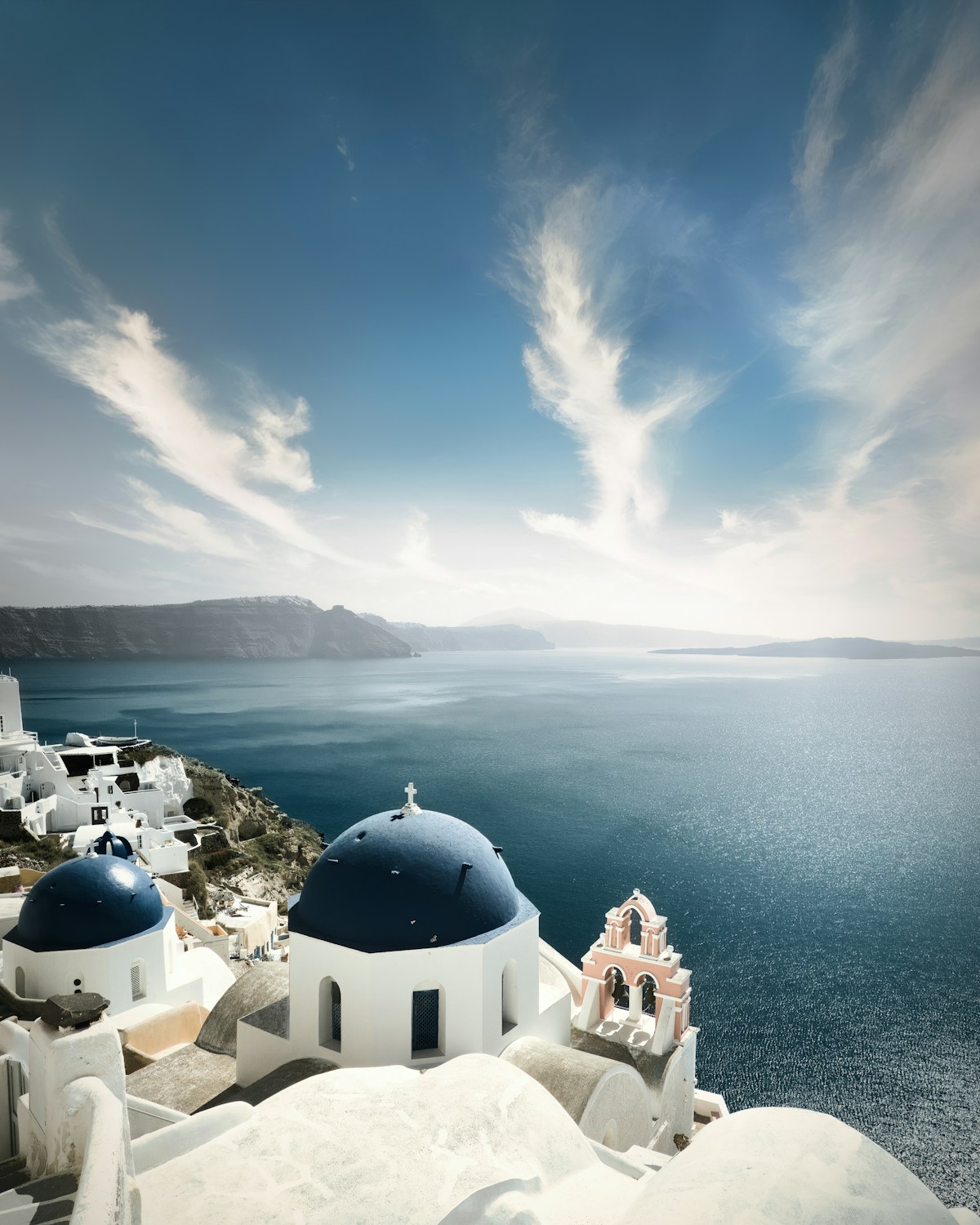
Santorini is built on the rim of a collapsed volcanic caldera - everything that makes it distinctive, from the views to the black beaches, flows from that geological fact. The island rewards visitors who go beyond the standard sunset photo. Prices listed here are approximate as of 2026.
Top Tours in Santorini
| Tour | Duration | Price (from) | Group Size | Highlights |
|---|---|---|---|---|
| Caldera Cruise - Volcano & Hot Springs | 4 hrs | from €35/person | Up to 80 | Nea Kameni volcanic walk, warm hot springs swim |
| Catamaran Sail with BBQ & Open Bar | 5 hrs | from €115/person | Up to 14 | Caldera sailing, hot springs, Red Beach stop, lunch |
| Santorini Wine Tour & Oia Sunset | 5 hrs | from €75/person | Small group | Assyrtiko tasting, Santo Wines terrace, Oia sunset |
| Akrotiri Ruins Guided Tour | 2.5 hrs | from €35/person | Small group | Bronze Age site with expert commentary, skip-the-line |
| Full-Island Private Sightseeing Tour | 9 hrs | from €120/person | Private | Oia, Pyrgos, Akrotiri, wineries, flexible itinerary |
Browse all Santorini tours → GetYourGuide
Watch the Sunset from Oia
The Oia sunset is one of the most photographed moments in the Mediterranean, which means the Kastro viewpoint fills up an hour before sundown in summer. Arrive 90 minutes early in July and August or accept a view from further along the path. The sunset is free - the crowds are not. The village itself is worth exploring outside of sunset hours: the lanes, the bell towers, and the cliff-side architecture are best appreciated in the morning before the tour groups arrive.
Hike the Caldera Trail from Fira to Oia
The trail along the caldera rim connects the island’s main town (Fira) to Oia in the north, covering approximately 9km of volcanic rock path with continuous caldera views. Allow 3 to 4 hours at a moderate pace - the path is uneven and exposed, with no shade. Bring water and start early in summer to avoid the worst heat. The trail is free and waymarked, passing through the village of Imerovigli roughly halfway.
This is one of the best free experiences on the island and one where the views match any paid activity.
Visit Akrotiri Archaeological Site
Akrotiri is one of the most important Bronze Age sites in the Aegean - a Minoan settlement buried under volcanic ash around 1627 BC, preserved in extraordinary detail. Multi-storey buildings, painted frescoes, storage jars, and drainage systems survive intact. The entire site is housed under a modern roof structure, which makes it comfortable even in summer heat.
Entry costs approximately €12 as of 2026. The site is open Tuesday to Sunday, typically 8am to 8pm in summer (hours reduce off-season - confirm before visiting). The guided audio tour is worth the extra fee; the site lacks interpretive signage and context makes a large difference.
Taste Santorini Wine at Santo Wines or Venetsanos
Santorini’s volcanic soil and dry climate produce some of Greece’s most distinctive wines - particularly Assyrtiko, a white variety with high acidity and mineral character. The vines are trained in circular basket shapes close to the ground, protecting them from the wind.
Santo Wines (near Pyrgos village) has a terrace directly on the caldera with panoramic views. Wine tasting flights start at approximately €15–25 as of 2026, with prices rising for premium labels. Venetsanos Winery, built into a cliff near Megalochori, is one of the oldest on the island with a strong heritage story and similar caldera views.
Both wineries are open daily from spring through autumn; book ahead for peak season seating.
Take a Boat Tour to the Volcanic Hot Springs
The small volcanic islands in the centre of the caldera - Nea Kameni and Palea Kameni - are reachable only by boat. Day-trip tours from Fira’s old port (the Skala) or Athinios port typically combine:
- A walk on Nea Kameni to the active crater (lunar landscape, sulphur vents)
- Swimming in the warm, rust-coloured hot springs off Palea Kameni
- A stop at the cliffs or a second island depending on the operator
Prices run approximately €25–40 per person as of 2026, depending on the length of the tour and whether meals are included. Book through any of the agencies in Fira’s main square or at the port. The boat trip in takes about 20 minutes from Fira’s old port; there’s also a cable car (approximately €6 each way) or donkeys (approximately €5–10) for getting down to the old port from the cliff-top. Our Santorini day trips guide compares the volcano, Thirassia and Akrotiri excursions in more detail.
Explore Red Beach
The Red Beach, near Akrotiri in the south of the island, takes its name from the red and black volcanic cliffs that frame it - ochre rock faces dropping to dark sand and clear turquoise water. It is genuinely striking.
It is also genuinely small. In peak summer the beach fills quickly, particularly between 10am and 2pm. Arrive by 9am or visit late afternoon. Sunbeds are available (approximately €10–15 as of 2026) but limited. The access path from the car park requires a short scramble over loose rocks.
Walk to Ancient Thera
The ruins of Ancient Thera sit on a ridge of Mesa Vouno mountain between Kamari and Perissa, about 370m above sea level. The site was continuously occupied from the 9th century BC through the Byzantine period. The views - caldera on one side, the sea on the other - are as good a reason to visit as the ruins themselves.
The access road from Kamari is narrow and steep; a taxi or motorbike makes the most sense. Entry is approximately free (check current fee - it has been waived in recent years) and the site is open Tuesday to Sunday.
Swim at Amoudi Bay
Amoudi Bay sits directly below Oia at the bottom of roughly 300 stone steps carved into the cliff. The bay has a cluster of seafood tavernas and a concrete platform and flat rocks for swimming in deep, clear water. It feels significantly more relaxed than the main beaches.
The steps down are manageable; climbing back up in midday heat is not. Go in the morning or early evening. Taxis can also drop you at road level with a shorter approach.
Visit Fira Town
Fira, the capital, has the main concentration of bars, restaurants, and shops. The Museum of Prehistoric Thera (in town) houses some of the finest frescoes and finds from Akrotiri - entry approximately €6 as of 2026, and often less crowded than the archaeological site itself. The cable car ride between Fira and the old port offers the caldera view from a different angle.
Fira’s main strip in high season is loud and commercial; the streets running back from the caldera edge are quieter and have better tavernas at lower prices.
Planning around Santorini? See our Santorini itinerary for a day-by-day guide and our Athens vs Santorini comparison if you’re deciding how to split your time.
Book Santorini tours and excursions with GetYourGuide. Pick up a Greece eSIM before you fly - keeps you connected without roaming charges.
Search hotels in Santorini on Booking.com
See Also
- Santorini Day Trips - volcano, hot springs, Thirassia and Akrotiri excursions
- Santorini Travel Guide - island overview with accommodation, caldera villages, and getting there
- Best Beaches in Santorini - Red Beach, Perissa, Kamari, and the Vlychada cove
- Restaurants in Santorini - where to eat without paying caldera-view prices
- Best Tours in Santorini - sailing cruises, wine tours, and Akrotiri guided visits
- Where to Stay in Santorini - Oia, Imerovigli, Fira, and Perissa compared
- Santorini Itinerary - how to structure 3–5 days on the island
- Santorini vs Mykonos - deciding between the two most-visited Cycladic islands