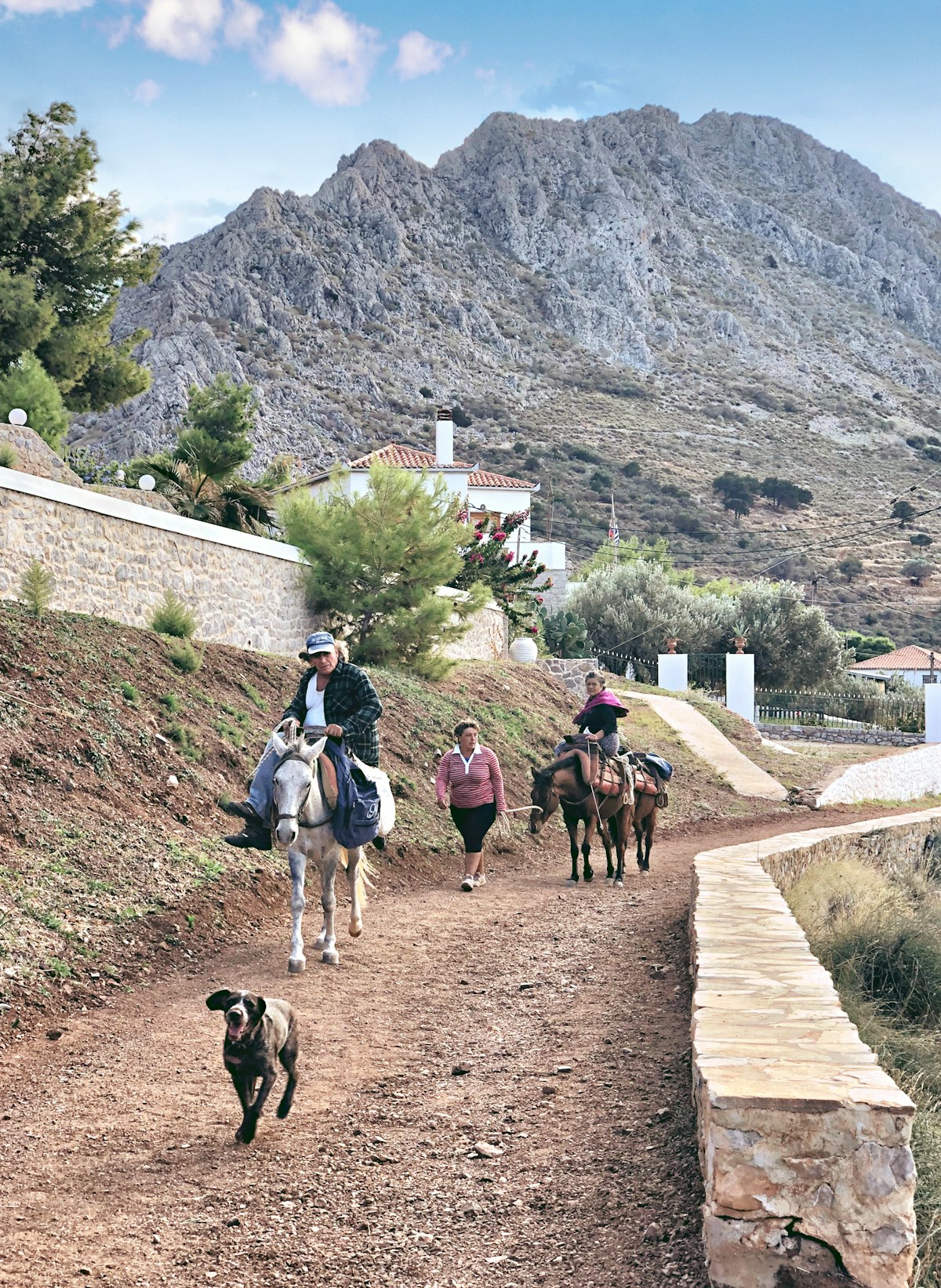
Hydra’s activities are shaped entirely by its car-free status. Without roads and motor vehicles, the island forces a slower pace - everything happens on foot, by donkey, or by water taxi. That constraint turns out to be its main attraction. The things to do here are things that most Greek islands can’t offer: a genuine hiking network, silent streets, art galleries that attract serious work, and swimming in coves you reach under your own power. Prices listed are approximate as of 2026.
Top Tours in Hydra
| Tour | Duration | Price (from) | Group Size | Highlights |
|---|---|---|---|---|
| Hydra Day Trip from Athens | 8 hrs | from €45/person | Up to 80 | Piraeus hydrofoil, harbour walk, donkeys, swimming cove |
| Saronic Islands Cruise - Aegina, Hydra & Poros | Full day | from €65/person | Up to 60 | Three Saronic islands, buffet lunch on board, swimming stops |
| Hydra Walking Tour & Monastery Hike | 3 hrs | from €25/person | Small group | Harbour, Profitis Elias path, art galleries, Leonard Cohen’s house |
Browse all Hydra tours → GetYourGuide
Ride or Watch the Donkeys
The island’s 300-odd working donkeys are not a tourist gimmick - they carry luggage to hotels, deliver goods to businesses, and handle anything that would require a vehicle elsewhere. Visitors arrive at the harbour to find a row of them standing by the steps, usually with their handlers sitting nearby.
Riding is available and perfectly normal - the handlers at the harbour steps offer short rides up to the main residential areas above the port. Expect to pay approximately €10–15 for a short ride to a specific neighbourhood; longer trips to the upper monastery area run approximately €20–30. You do not need to arrange this in advance. Approach the handlers near the cannon-mounted harbour wall and ask.
Even if you don’t ride, watching the donkeys work is one of Hydra’s more memorable details. New hotel guests arrive and their bags are loaded onto pack mules by port workers, then walked up the narrow stepped streets. The system has not changed in decades.
Hike to Profitis Elias Monastery
The hike to Profitis Elias is the island’s signature walk - 1 to 1.5 hours from the harbour on a well-maintained donkey path, rising steeply through olive groves and rock outcrops to the monastery at the island’s highest point.
The path starts from the upper streets above the harbour (follow signs for Kala Pigadia and then Profitis Elias). It is marked but the route has several branches - staying on the widest path generally keeps you on track. The last section is exposed and rocky, so proper footwear matters.
The monastery itself is still active and open to visitors during morning and late afternoon hours. Dress modestly - covered shoulders and knees are required. Entry is free, and the monks occasionally offer water. The views from the top take in the full sweep of the Saronic Gulf, with the mainland coast visible to the north and Dokos and Spetses to the south and west on clear days.
Total round trip with time at the monastery: approximately 3–4 hours. Carry water - there is nowhere to buy it once you leave the harbour area.
Hike to Zourvas Monastery
Less visited than Profitis Elias, the monastery at Zourvas sits on the eastern tip of the island, a 2 to 2.5-hour walk from the harbour. The path is quieter and the terrain more rugged. The monastery is smaller and the approach takes you through emptier, more remote parts of the island.
The swimming at the cape near Zourvas is excellent - clear water and no crowds. Combining the walk with a swim and a return by water taxi makes for a full day. The water taxi from Zourvas back to the harbour costs approximately €15–20 - confirm the price with the driver before setting off.
Swim at Vlychos and Kamini
Kamini is the closest proper swimming spot beyond Spilia - a 20-minute walk west along the coast path from the harbour. It’s a small fishing hamlet with a pebble beach, a few fishing boats, and Kondylenia’s taverna (approximately €25–40 per person, grilled fish is the thing to order). The walk from the harbour is flat and passes along the rocky coastline.
Vlychos is 40 minutes on foot from town, or reachable by water taxi in about 10 minutes (approximately €6–8 one-way from the harbour). The bay is sheltered, with a pebble beach and a small beach bar serving cold drinks and snacks. It gets busy in peak summer but is more manageable than beaches on larger Saronic islands. A disused 18th-century bridge sits at the back of the bay - one of several on the island built by wealthy shipping families.
Bisti requires a 1.5-hour walk from the harbour but rewards with a more secluded cove and some of the clearest water on the island. Water taxi approximately €15 one-way. Bring food and water - there are no facilities.
Water taxis operate from the main quay throughout the day in summer. Negotiate the price before you board, or ask at the harbour information point for the standard rates to common destinations.
Explore the Art Galleries
Hydra has attracted artists since the 1950s and now has a small but serious gallery scene, particularly active from May through September.
Deste Foundation Project Space Slaughterhouse: This is the most significant. The Deste Foundation for Contemporary Art (run by Greek-Cypriot collector Dakis Joannou) took over the island’s former slaughterhouse near the eastern edge of the harbour and converted it into an exhibition space. It shows one major installation or exhibition per summer, typically featuring international artists. Open seasonally, usually June to September. Entry free. Check the Deste Foundation website before visiting to confirm opening dates.
Hydra Workshop: A non-profit arts residency founded in 1990, based in a converted building a few minutes from the harbour. It runs artist residencies throughout the year and shows work in an adjacent gallery space in summer. The focus is on emerging and mid-career artists. Entry usually free.
Melina Mercouri Cultural Centre: Named after the actress and politician who championed the return of the Elgin Marbles, the centre occupies a restored mansion near the harbour and runs changing exhibitions through summer. Entry free or minimal charge.
Several commercial galleries along the harbour streets and up the stepped lanes show work by Greek painters and printmakers, with a particular concentration of seascape and island imagery.
Visit the Historical Archive and Naval Museum
The Historical Archive Museum of Hydra occupies a restored building near the harbour and focuses on the island’s maritime history - Hydra contributed significantly to the Greek War of Independence (1821–1829), providing ships, funding, and commanders including Admiral Andreas Miaoulis.
The museum holds ship models, portraits of the island’s admirals, documents, and weapons from the independence era. Entry approximately €4 as of 2026. Open mornings; closed Mondays. Worth an hour if you want context for the harbour’s 18th-century stone mansions, which were built by the same shipping families that funded the independence war.
Find Leonard Cohen’s House
Leonard Cohen bought a house on Hydra in 1960 for approximately $1,500 USD - a white house on the upper streets, not far above the harbour. He lived there intermittently through the early 1960s, writing his first two novels (The Favourite Game and Beautiful Losers) and early poems on the island.
The house is privately owned and not open to visitors, but it is identifiable and a quiet destination for fans - a small sign and occasional visitors make it findable with some effort. Walk up from the harbour past the clock tower, then ask locally or follow the informal pilgrimage trail. The house is modest by Hydra standards, which was part of its appeal: Cohen was not wealthy when he bought it and it suited his circumstances.
Several bars and cafes around the harbour reference the Cohen connection, and the island’s arts community has maintained a connection to his work. The Spiti tou Leonarda (Leonard’s House) bar near the waterfront is a good place for an evening drink if you want to sit in that atmosphere.
Walk the Harbour in the Evening
The harbour comes into its own after the day-trip crowds leave on the last hydrofoil. By 7pm on summer evenings, the population of Hydra shifts to the people staying overnight: quieter, the tavernas and cafes filling at a Greek dinner pace (9–10pm), the mules having been rested for the day.
The harbour waterfront walk - from the western arm past the cannons and the monastery steps to the eastern side with the boatyard - takes about 15 minutes at a stroll. In the evening, with the harbour lights reflecting on the water and no engine noise, it is one of the most pleasant walks in Greece.
Find guided day trips from Athens to Hydra and Saronic island boat tours with GetYourGuide.
Search hotels in Hydra, Greece on Booking.com
See Also
- Hydra Travel Guide - the full island overview
- Where to Stay on Hydra - hotels, villas, and guesthouses with prices
- Getting to Hydra from Athens - hydrofoil, ferry, and day trip options
- Aegina Travel Guide - the closest Saronic island
- Day Trips from Athens - Hydra among other Athens excursion options