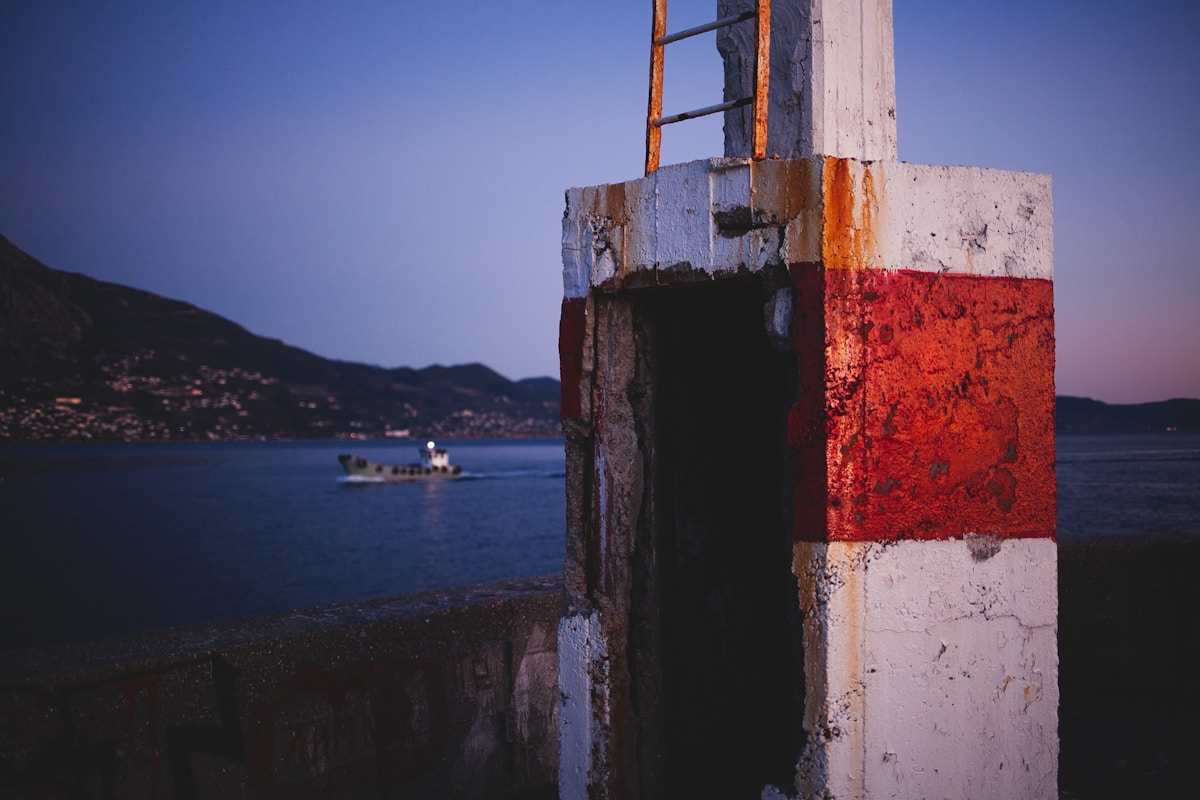
Kalamata is the principal city of the southern Peloponnese - a working port and regional capital of around 70,000 people that serves as the most practical base for exploring this section of the Greek mainland. It is known internationally for its olives, but the city itself has more to offer: a Byzantine castle on the hill, a strong archaeological museum, a long sandy beach, and some of the best proximity to major Peloponnese sites of any city in the region. The Mani peninsula, ancient Messene, and the ruins of Mystras are all within an hour’s drive.
Here is what to do in and around Kalamata. All prices are approximate as of 2026.
Top Tours at a Glance
| Tour | Duration | Price (from) | Group Size | Highlights |
|---|---|---|---|---|
| Kalamata: Mani Peninsula Shore Excursion | 5 hrs | from €45 | Private | Tower villages, Kardamyli, Limeni, Deep Mani coastline |
| Kalamata: Ancient Messene Guided Tour | 3–4 hrs | from €40 | Small group | Best-preserved ancient Greek city, stadium, theatre |
| Kalamata: City Walking Tour & Olive Tasting | 2.5 hrs | from €30 | Up to 12 | Castle, old town, olive oil tasting, local market |
| Peloponnese: Mystras Byzantine Ruins Day Trip | Full day | from €55 | Small group | UNESCO ghost city, frescoed churches, mountain setting |
Browse all Kalamata tours → GetYourGuide
Kalamata Castle
The Byzantine castle sits on a rocky hill above the old town (the Ano Poli, or Upper City), with remains dating to the 12th–13th centuries. It was one of the strongholds of the Villehardouin dynasty of Frankish princes during the medieval occupation of the Peloponnese, and was captured and recaptured through Byzantine, Ottoman, and Venetian periods.
The castle is small but the walls are largely intact and the views from the top - across the city, the bay, and the Taygetos mountains rising to the north - are excellent. Evening visits are particularly good for the light.
Entry: Free. Open daily; accessible at any hour.
Getting there: On foot from the centre, a steep 15-minute climb through the Ano Poli neighbourhood. By car, there is a road to the base.
Kalamata Archaeological Museum
One of the better regional museums in the Peloponnese, holding finds from the wider Messenia region - Mycenaean pottery, bronze weapons, classical-era sculpture, and Roman mosaics. The Mycenaean collection is particularly strong, reflecting the density of Bronze Age settlement in this part of the Peloponnese.
Entry: Approximately EUR 4 as of 2026. Open Tuesday–Sunday approximately 8:30am–4pm; closed Monday.
The Olive and Olive Oil Museum
Kalamata is the international brand name for Greek olives - the large, elliptical purple-black fruit grown in the valley south of the city is perhaps the most recognised olive variety in the world. The Olive and Olive Oil Museum, housed in a restored building near the port area, covers the history of olive cultivation from ancient Greece through the Byzantine, Ottoman, and modern periods, with working machinery showing traditional and industrial oil production.
Entry: Approximately EUR 4 as of 2026. Open Tuesday–Sunday.
Kalamata Beach and Seafront
The city’s sandy beach stretches east from the port for approximately 5km, with the main public beach section along the Navarinou seafront promenade - the most popular stretch, clean and well-maintained in summer. The promenade has cafés, tavernas, and sunbed rentals.
For a quieter option, the beach continues east towards the suburb of Verga, where the crowds thin and the Taygetos foothills behind provide an impressive backdrop.
Sunbed rental: Approximately EUR 8–12 per pair per day as of 2026 on the central beach.
Taygetos Mountain Trails
The Taygetos mountain range rises dramatically directly north of Kalamata, reaching 2,407 metres at its highest point. Several marked hiking trails approach the range from the Kalamata side, beginning from the villages of Sparta direction (via the Langada Pass) and from the western foothills.
The most accessible introduction is the trail from the village of Artemisia (36km north of Kalamata by car), which leads into the foothills without requiring serious mountaineering equipment. Spring and autumn are the best hiking seasons; summer is hot and exposed at lower elevations.
Kardamyli and the Outer Mani
Only 30km south of Kalamata on the coast road lies Kardamyli - arguably the most beautiful small town on the mainland Peloponnese coast. The village has a beautifully preserved Ottoman tower settlement behind its beach, a good selection of tavernas, and easy access to the Ridomo Gorge. It was the home of the travel writer Patrick Leigh Fermor for many decades, and his former house is now a writer’s retreat.
From Kardamyli the Mani peninsula road continues south into the Deep Mani, with its tower villages, dramatic rocky coastline, and remote chapel-studded landscape. See our Kalamata day trips guide for more detail on the full Mani circuit.
For where to eat in Kalamata and the nearby Mani villages, see our Kalamata restaurants guide. For day trips to Mystras, Messene, Pylos, and the Mani, see our Kalamata day trips guide. For the wider Peloponnese context, see our Peloponnese road trip itinerary.
Book Kalamata tours with GetYourGuide. Pick up a Greece eSIM before you fly - keeps you connected without roaming charges.
Search hotels in Kalamata, Greece on Booking.com
See Also
- Kalamata Travel Guide - full city guide with accommodation and transport
- Best Restaurants in Kalamata - harbourfront tavernas and Mani village dining
- Day Trips from Kalamata - Mystras, Ancient Messene, Pylos, and the deep Mani
- Peloponnese Road Trip Itinerary - the full circuit including Kalamata
- Nafplio Travel Guide - the Peloponnese’s most beautiful small city
- Olympia Travel Guide - the ancient Games site, 2 hours north
- Ancient Olympia Guide - the sanctuary of Zeus
- Greece Car Rental Guide - essential for exploring the Mani peninsula