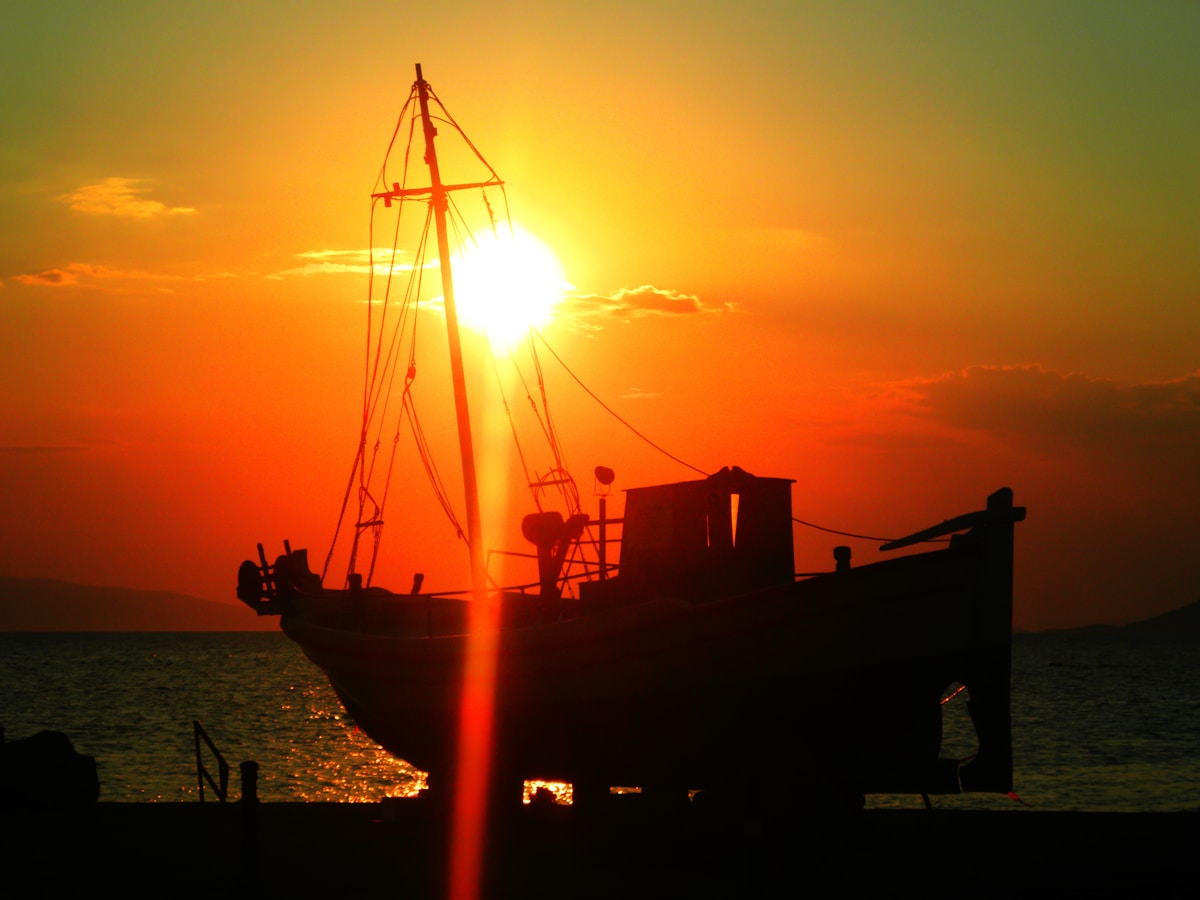
Aegina sits 35 minutes from Piraeus by hydrofoil and draws a steady stream of day-trippers from Athens - with good reason. The island combines a well-preserved Doric temple, a charming harbour town, Byzantine ruins in a deserted medieval settlement, and the best pistachios in Greece. Prices listed are approximate as of 2026.
Top Tours in Aegina
| Tour | Duration | Price (from) | Group Size | Highlights |
|---|---|---|---|---|
| Aegina Day Trip from Athens with Temple of Aphaia | 8 hrs | from €35/person | Small group | Piraeus ferry, temple visit, pistachio market, harbour walk |
| Saronic Islands Cruise - Aegina, Hydra & Poros | Full day | from €65/person | Up to 60 | Three islands, swimming stops, buffet lunch on board |
| Aegina Private Guided Tour | 4 hrs | from €50/person | Private | Temple of Aphaia, Paleochora ruins, pistachio market |
| Athens Riviera & Saronic Day Cruise | 8 hrs | from €50/person | Up to 80 | Cape Sounion optional, Aegina, Hydra, swimming |
Browse all Aegina tours → GetYourGuide
Visit the Temple of Aphaia
The Temple of Aphaia is the centrepiece of any Aegina visit and one of the most complete Doric temples anywhere in Greece. Built around 500 BC on a pine-forested hill in the island’s northeast, it was dedicated to Aphaia, a local deity associated with Artemis and Athena. Twenty-four of the original 34 columns still stand, making the structure remarkably legible as a building.
The site sits at roughly 160 metres elevation with clear-day views extending to the Acropolis in Athens and the mountains of the Peloponnese. The on-site museum displays friezes and architectural fragments with good English labelling.
Entry: approximately €8 as of 2026. Opening hours: typically 8am to 8pm in summer, 8am to 3pm in winter - confirm hours before visiting. The site is about 12km from Aegina Town; buses from the main square run roughly every 30 minutes in summer (approximately €2 one way), or take a taxi (approximately €15 each way).
Walk the Harbour Front of Aegina Town
Aegina Town is the island’s capital and port - a proper working town rather than a resort. The harbour front has the Agios Nikolaos chapel (the white domed church that appears in almost every photo of the island), fish tavernas with tables spilling onto the waterfront, and the colonnaded Kapodistrian-era market building.
The streets behind the port contain the main pistachio market stalls - small shops and open-air vendors selling fresh nuts, pistachio paste, loukoumades filled with pistachio cream, and nougat. This is where to buy; quality is consistent and vendors are competitive on price.
The Archaeological Museum of Aegina, near the Church of the Assumption, displays finds from the Temple of Aphaia site as well as local Bronze Age material. Entry approximately €3.
Explore Paleochora - The Abandoned Medieval Capital
Paleochora is an extensive Byzantine ghost town on a rocky hill in the island interior, about 6km east of Aegina Town. The medieval capital was built on high ground for defence against pirate raids and flourished from the 9th through 18th centuries - at its height it had around 365 small chapels within the town walls. In 1826, during the Greek War of Independence, it was attacked and abandoned; the population relocated to the coast and never returned.
What remains is atmospheric in the extreme: dozens of small Byzantine and post-Byzantine chapels in varying states of preservation, many with surviving frescoes, spread across a rocky hillside of wild herbs and pines. Some chapels are locked; others are open. The most intact frescoes are in the Church of the Archangel Michael and the Church of Agios Nektarios.
Getting there: the road passes the famous Monastery of Agios Nektarios (free entry, large pilgrimage church completed in the 20th century). Buses from Aegina Town run past the monastery; Paleochora itself requires a walk up the hill. Entrance to the ruins is free.
Buy Aegina Pistachios
Aegina produces roughly 80 per cent of Greece’s domestic pistachio crop, and the island’s pistachios are noticeably superior to imported commercial varieties. The soil and microclimate of the island suits the trees particularly well; the nuts are harvested in September and the fresh crop is significantly sweeter and more flavourful than year-old imports.
The harbour-front stalls sell them in every form: raw in shell, roasted and salted, in nougat (pasteli), in loukoumades batter, as pistachio cream, and as pistachio halva. A 500g bag of good quality roasted pistachios costs approximately €8–12. The market stalls along the main harbour are the best value; the packaged tourist shops near the ferry terminal charge more.
Swimming at Agia Marina and Marathona
Aegina has decent beaches concentrated on its eastern coast. Agia Marina is the main resort beach - a long sandy bay about 13km from Aegina Town with multiple tavernas, sunbeds (approximately €8–12 per set), and water sports available. It is sandy and well-organised. Buses from Aegina Town take approximately 25 minutes.
Marathona beach is on the west coast, narrower and quieter, with a small village behind it. The water is calm and clear, popular with local families. Approximately 10 minutes by bus from Aegina Town.
Perdika village at the island’s southern tip is the most scenic - a fishing village with excellent fish tavernas on the waterfront and a small sandy beach. You can take a water taxi from Perdika to the uninhabited island of Moni (approximately €5 return, 10 minutes) for snorkelling in clear water away from the main beaches.
Day Trip to Moni Island from Perdika
The tiny island of Moni sits 10 minutes by water taxi from Perdika and is officially a protected nature reserve. It is car-free, largely undeveloped, and has some of the clearest water in the Saronic Gulf - ideal for snorkelling. Wild deer and peacocks roam the interior. The water taxis run on demand from Perdika harbour (approximately €5 return). Take food and water as there are limited facilities on the island.
Horse Carriage Rides in Aegina Town
One of Aegina Town’s distinctive features is its still-active fleet of horse-drawn carriages - one of the few Greek islands where these remain in regular operation. The carriages line up near the ferry terminal and offer short tours of the town for approximately €15–25. They are not a tourist gimmick in the usual sense - locals use them too, and the sight of horses on the harbour front is genuinely characteristic of the island.
For the complete island overview including getting there and where to stay, see our Aegina travel guide. For the best beaches on the island including Agia Marina, Marathona, and the quieter coves, see best beaches in Aegina. For where to eat including harbour fish tavernas and pistachio spots, see restaurants in Aegina. Planning a Saronic island visit? See our Greek island ferry guide and Athens to Saronic Islands itinerary guide.
Book Aegina tours and day trips with GetYourGuide. Pick up a Greece eSIM before you travel.
Search hotels in Aegina on Booking.com
See Also
- Aegina Travel Guide - full island overview with where to stay, getting there, and practical tips
- Best Beaches in Aegina - Agia Marina, Marathona, Perdika coves, and Moni island
- Restaurants in Aegina - harbour front fish tavernas, pistachio sweets, and local mezedes
- Greek Island Ferry Guide - hydrofoil and ferry options from Piraeus
- Athens Islands Day Trip Guide - combining Aegina with Hydra and Poros